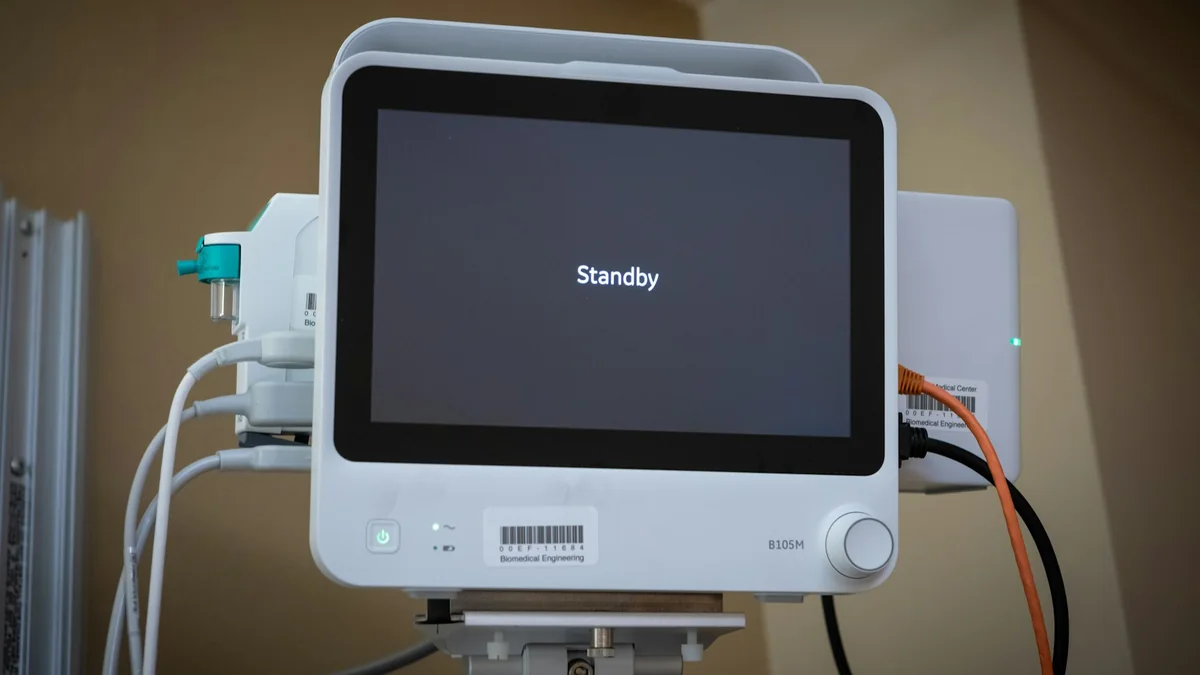
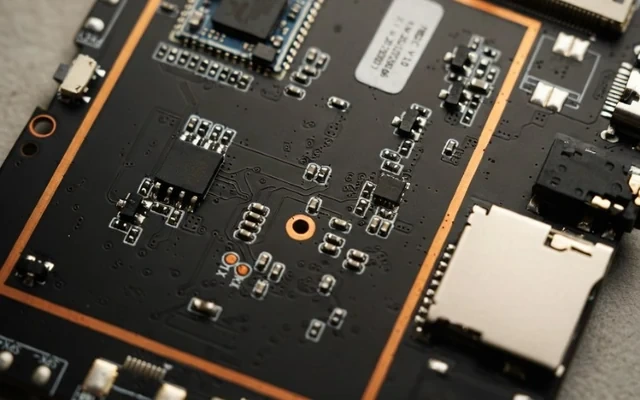
Representative board-level context for traceability, inspection evidence, and controlled release planning.
QA reviewDefine traceability, records, critical parts, and release evidence before PO.
Controlled changesSeparate alternates, firmware, labels, and revision approvals by impact.
Test evidenceInspection, programming, FCT, and lot notes aligned to buyer requirements.
Next decisionShare documentation expectations and critical component notes.
Documentation discipline
Work order, revision, material, inspection, and release records are organized for quality review.
Risk-based sourcing
Critical components, alternates, and substitutions are separated by approval requirement and product impact.
Testability focus
ICT, FCT, firmware, and inspection depth are selected according to the device stage and risk profile.
Medical and healthcare programs that fit this service
We avoid unsupported certification claims and focus on the practical controls buyers need from a manufacturing partner.
Diagnostic and monitoring electronics
Control boards, sensor modules, display boards, and communication modules with traceability needs.
Validation and pilot builds
Small and medium lots where engineering, QA, and procurement need shared evidence.
Controlled repeat production
Stable revision and material records for repeated manufacturing cycles.
Box build readiness
Labeling, firmware, final checks, and packaging can be integrated when the PCBA becomes part of a finished device.
Medical PCBA scope for documentation-driven purchasing
Healthcare electronics buyers usually need clear records, stable revisions, and defined release evidence before a build is approved.
Capability range
Control, sensor, display, and communication PCBAs
Prototype, pilot, and repeat manufacturing lots
Customer-defined traceability and release records
Optional box build, labeling, and packaging support
Testing and controls
Critical component and substitute approval control
Incoming, first-article, AOI, and functional checks
Firmware, label, and revision verification when required
Lot notes aligned to buyer quality review
Buyer deliverables
Documentation expectations confirmed before quote
Material and revision decision trail
Inspection, test, and release evidence
Packaging or label instructions when applicable
Representative medical and wellness electronics production experience
Authorized board-level images show the assembly and development patterns behind compact monitoring, therapy, sensing, motor-control, wireless, and multi-channel power products. Public descriptions remain anonymous where program identities or commercial details are confidential.
CoverageEight representative build types
Evidence basisProduction records or customer authorization retained
Public boundaryNo unsupported certification or performance claim
MED-01 · Motor control
Compact oral-care controller
A narrow mixed-function board combining rechargeable power, motor drive, user indication, and compact mechanical integration.
Motor startup and load-current review
Charging, sealing, vibration, and end-of-line checks
MED-02 · Monitoring
Sleep-monitoring electronics
Sensor acquisition, embedded processing, communications, and low-noise power must remain stable during long-duration monitoring.
Sensor-path noise and calibration planning
Connectivity recovery and overnight endurance tests
MED-03 · Connected sensing
Therapy sensor relay board
A compact relay architecture connecting sensing or training accessories to a local application while preserving signal and identity control.
Low-level signal integrity and pairing checks
Firmware, serial-number, and revision traceability
MED-04 · Multi-channel power
LED therapy driver platform
Repeated power channels, thermal paths, connectors, and fan interfaces require consistent assembly and channel-by-channel release testing.
Current balance and thermal-rise verification
Connector mapping and multi-channel functional fixtures
MED-05 · Wearable safety
Fall-detection and alert wearable
Battery life, motion sensing, alert reliability, wireless range, and enclosure integration must be verified together.
Sensor orientation and event-replay testing
Low-power, charging, button, and radio checks
MED-06 · Miniaturization
Wearable sensing patch electronics
Fine-pitch assembly, compact antenna and sensing interfaces, contamination control, and lot traceability dominate this build class.
Fine-pitch process and inspection planning
Moisture, cleanliness, programming, and identity controls
MED-07 · Controlled output
Wearable stimulation controller
Controlled output stages, electrode interfaces, battery behavior, firmware parameters, and fault states require defined acceptance limits.
Output-load and single-fault test coverage
Firmware, parameter, and battery-state verification
MED-08 · Wireless monitoring
Monitoring transmitter board
A radio module, user controls, power conversion, and product-specific sensor interfaces create a compact mixed-signal test problem.
Radio pairing, range, and recovery checks
Interface, current-consumption, and functional fixtures
Evidence and confidentiality: publication is backed by retained production records or customer authorization. Program identities, commercial relationships, schematics, BOMs, test limits, and measured results remain confidential unless separately approved. The images demonstrate relevant engineering and manufacturing experience; they do not create a certification or regulatory claim.
Controlled medical electronics contextApplication risk should determine documentation depth, traceability, and acceptance evidence.Documented workmanship reviewInspection findings must remain connected to the correct build, material lot, and product revision.
What to share for an accurate RFQ
Complete files help us return a cleaner quotation with fewer assumptions and fewer hidden changes later.
Files and project details
Gerber or ODB++ files with revision identifier
Approved BOM with critical components and alternates clearly marked
Centroid, assembly drawing, and workmanship notes
Test specification, firmware process, and acceptance criteria
Required quality records, inspection reports, or release packet format
Packaging, labeling, serial number, or UDI-related instructions if applicable
Decisions to confirm early
Define which components require strict customer approval for substitution
Confirm documentation level required by your quality team
Agree test coverage and sample retention expectations
Confirm cleaning, coating, or residue requirements if applicable
Clarify whether final labeling or box build is part of scope
If your project has regulated requirements, share the exact documentation expectations during RFQ. We will confirm what can be supported before accepting the build.
FAQ
Do you claim medical certification on this page? No. We confirm project-specific quality and certification requirements during RFQ, then state clearly what can be supported.
Can you provide stronger traceability records? Yes. Material, revision, production, inspection, and release records can be organized according to the agreed project scope.
Can customer-approved parts be locked? Yes. Critical parts can be controlled so substitutions require explicit approval before purchase or assembly.
Can firmware and labels be controlled by revision? Yes. Firmware version, label format, and hardware revision can be linked in the production record.
Can you support pilot builds before repeat production? Yes. Pilot lots are often the right stage to define the documentation and test model before repeat orders.
Review your medical PCBA project
Send files, critical component notes, test requirements, and documentation expectations. We will confirm a practical manufacturing plan before quote approval.
Review comparable health and medical electronics architectures, board views, validation risks, and production controls in our PCBA engineering reference library. Client identities and confidential program data remain undisclosed.