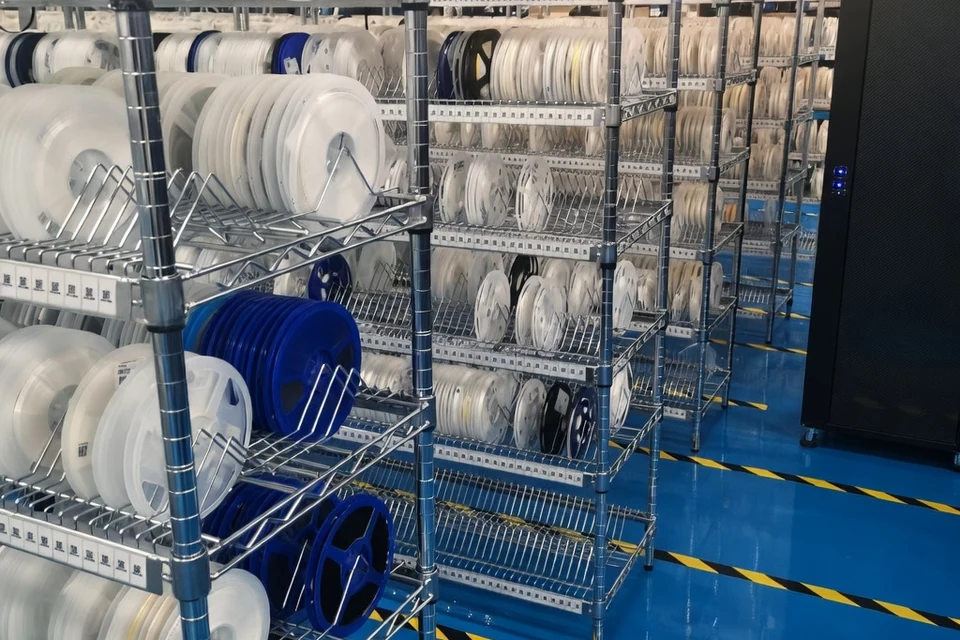
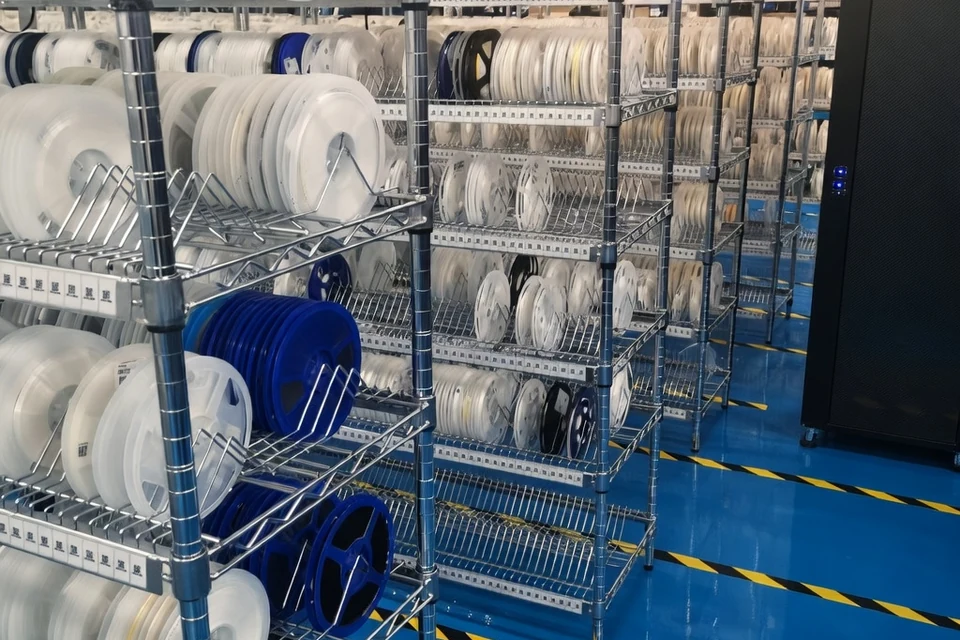
Material ownershipDefine buyer-supplied, factory-sourced, shortage, excess, and return rules.
Kit readinessCheck quantity, labels, reels, MSL, packaging, and BOM match before line release.
Shortage visibilityReport missing or damaged materials before they stop production.
Next decisionSend BOM ownership notes, kit list, and inbound schedule.
Flexible ownership
You can supply critical parts while we source standard items or assemble from complete kits.
Incoming visibility
Customer-supplied reels, trays, tubes, labels, MSL status, and shortages are checked before production release.
Cleaner accountability
Material ownership, excess handling, substitutions, and shortage responsibility are documented before the build.
When consigned or kitted assembly makes sense
This model is useful when procurement strategy, certification, or inventory control requires the buyer to own part of the supply chain.
Strategic component control
You keep ownership of critical ICs, allocated parts, programmed devices, or qualified components.
Partial turnkey programs
We source common components while you supply sensitive or already-stocked materials.
Prototype and NPI kits
Engineering teams can ship kits for fast assembly while sourcing strategy is still evolving.
Regulated or trace-sensitive products
Buyer-approved parts stay under controlled ownership and release rules.
Consigned and kitted scope for cleaner material handoff
Customer-supplied material works best when ownership, shortages, and inspection responsibility are defined before parts arrive.
Capability range
Full consigned, full kitted, partial turnkey, and mixed sourcing
Buyer-supplied critical ICs, programmed parts, and qualified components
Factory sourcing for standard components when needed
Prototype, low-volume, and repeat assembly lots
Testing and controls
Incoming quantity, label, packaging, and MSL review
BOM ownership and shortage reporting
Material mismatch, damage, and substitute-sensitive checks
Usage, excess, scrap, and return handling when required
Buyer deliverables
Kit readiness and shortage notes
Material ownership record
Incoming issue report when applicable
Closeout notes for used and remaining parts
Kit receiving and storageCustomer-owned reels need identity, quantity, condition, and shortage status recorded before line release.Incoming and assembly checksVisible condition, package match, polarity, and workmanship are reviewed against the supplied kit record.
What to share for an accurate RFQ
Complete files help us return a cleaner quotation with fewer assumptions and fewer hidden changes later.
Files and project details
Gerber or ODB++ package
BOM with ownership marked for each line: customer-supplied, supplier-sourced, or optional
Centroid and assembly drawing
Kit list, packing list, reel IDs, MSL status, and excess quantity plan
Approved substitutions and shortage escalation rules
Inbound shipping schedule, customs notes, and receiving contact
Decisions to confirm early
Define who owns shortage risk for each BOM line
Confirm minimum excess quantity for machine setup and attrition
Agree MSL, bake, dry-pack, and storage handling
Confirm return, scrap, or retain rules for excess materials
Define what happens when supplied parts fail incoming inspection
How the manufacturing workflow runs
The workflow is built to reduce uncertainty before production release and keep useful records for repeat orders.
1
Ownership mapping
Each BOM line is marked by supply responsibility and approval authority.
2
Incoming kit check
Parts are checked for quantity, labeling, packaging, MSL status, and obvious mismatch risks.
3
Shortage resolution
Missing, damaged, or substitute-sensitive parts are reported before production release.
4
Assembly and reconciliation
Build records, usage, shortages, and remaining material status are organized for closeout.
Controls that keep kitted assembly clean
The biggest risk in consigned assembly is confusion. Clear material identity and ownership reduce delays and disputes.
Kit identity checks
Part numbers, labels, reel IDs, quantities, and packaging are checked against the BOM.
Moisture-sensitive handling
MSL parts are identified so storage, baking, and floor-life expectations can be managed.
Shortage reporting
Missing or insufficient materials are reported before they stop the line.
Material reconciliation
Used, remaining, scrapped, or returned parts can be summarized according to the agreed process.
Material-control deliverables for consigned assembly
Customer-supplied material works best when ownership, shortages, excess, and inspection responsibility are defined before parts arrive.
Practical deliverables
BOM ownership map for customer-supplied and factory-sourced lines
Incoming kit check for labels, quantities, package type, and MSL status
Shortage, mismatch, and damaged-part reporting
Material usage, excess, return, or scrap summary if agreed
Assembly release record tied to customer-supplied material status
For kitted jobs, add extra quantity for feeder setup, attrition, and possible rework. Exact needs depend on package type and lot size.
FAQ
What is consigned PCB assembly? It means the customer supplies some or all components, while the assembly factory handles production and agreed inspection steps.
Can you support partial turnkey? Yes. We can source some BOM lines while you supply strategic, expensive, programmed, or qualified components.
How much extra material should be supplied? It depends on package type, lot size, feeder setup, and attrition risk. We review this during RFQ.
What happens if supplied components are short? Shortages are reported before production release, and the next action is decided according to the agreed ownership rules.
Can excess parts be returned? Yes, return, retain, or scrap rules can be agreed before the project starts.
Map your consigned material plan
Send BOM with ownership notes, kit list, inbound schedule, and target build quantity. We will review shortage, MSL, and assembly risks before quotation.