We assemble prototype PCBs for firmware bring-up, design verification and early functional checks. Send the current files, sample quantity and questions the boards must answer; DFM and BOM review help identify issues before the next revision.
Engineering samplesDFM and BOM feedbackSMT/THT prototype buildsRevision-ready records
Partial files are welcome. Response timing and confidentiality arrangements are confirmed after the available scope is reviewed.
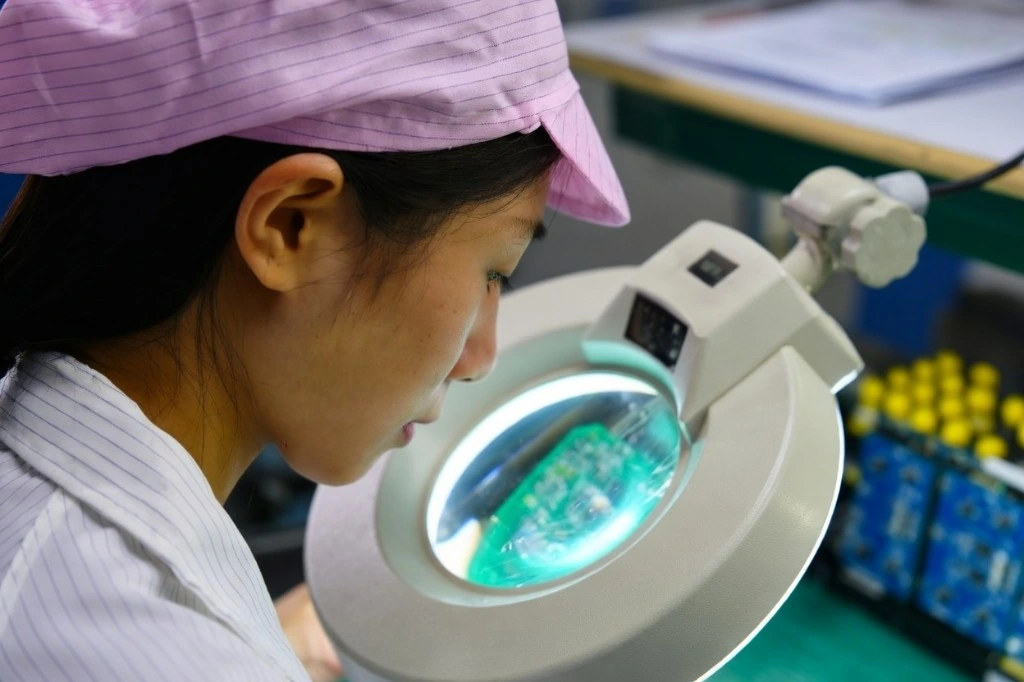
Service visualPrototype validation context
Representative engineering sample review context for DFM feedback, first article checks, and early test learning.
Learning goalClarify what the sample must prove before the build starts.
Input reviewExpose missing files, BOM risk, footprint issues, and test access concerns before build.
Next spinReturn findings tied to exact revision, material choices, and test observations.
Next decisionSend current files plus bring-up, demo, and validation requirements.
File and revision triage
Gerber, BOM, centroid, and assembly notes are checked so missing inputs are visible before build.
Useful failure feedback
Prototype issues are recorded with the decision, owner, and effect on the next build.
Clean revision history
Each spin can be linked to the correct files, material choices, and test observations.
Prototype situations we support
This path is for hardware teams that need speed, but still care about whether the next revision can be manufactured reliably.
First functional samples
Build early units for firmware bring-up, sensor validation, power testing, or customer demos.
Design spin verification
Confirm whether a layout, component, or connector change solves the intended issue.
Sourcing feasibility checks
Identify obsolete, allocated, or difficult-to-source components before pilot planning.
Pre-pilot readiness
Turn prototype learning into a low-volume production checklist.
Prototype scope that creates usable engineering feedback
Prototype assembly should deliver decisions your team can use for the next design spin or pilot lot.
Capability range
Prototype SMT/THT builds scheduled after scope review
Small sample lots for bring-up or demos
DFM and BOM risk review before assembly
Firmware, programming, and basic test support
Testing and controls
Missing-file and polarity review
First-article checks and issue notes
AOI, visual, x-ray path, or functional checks as needed
Revision-linked findings for the next spin
Buyer deliverables
Sample build assumptions
DFM/BOM comments
Assembly and inspection observations
Low-volume readiness notes
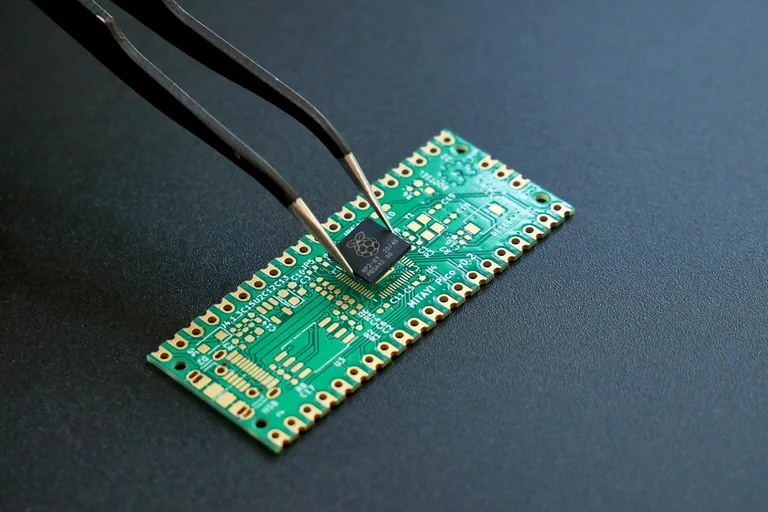
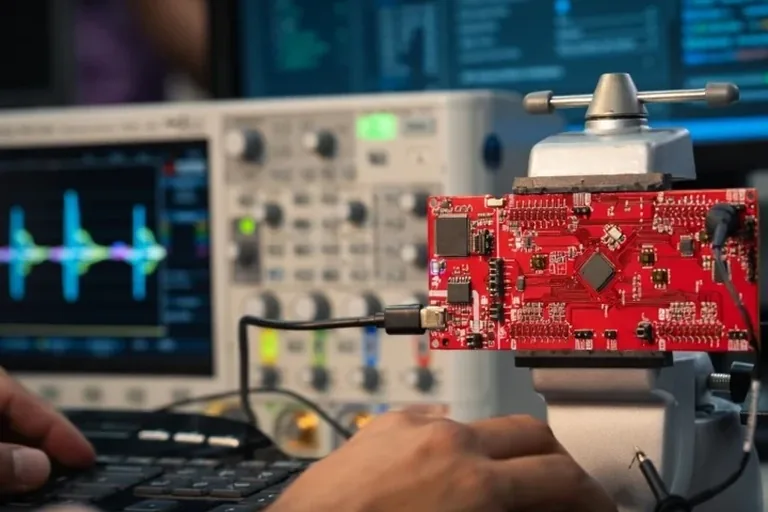
Prototype placement contextEarly boards expose footprint, polarity, access, and handling risks before the design reaches pilot production.Bring-up and functional learningTesting confirms what the sample proves and which findings must return to the next revision.
Files and validation goals for a prototype PCB assembly quote
Include the current board revision, required sample quantity, available components and the purpose of the build. Separate assembly inspection from programming and functional validation so each quoted test has clear inputs and acceptance criteria. See the low-volume PCB assembly for pilot and repeat lots.
Check the file handoff: The pick-and-place checker reviews coordinate, unit, side, and rotation fields and can compare references against your BOM. Use the BOM checker for part-number and quantity checks. A clean result does not verify pin 1, polarity, footprint geometry, or electrical function. Include those open engineering questions with your RFQ; using a checker is optional.
Files and project details
Latest Gerber or ODB++ files
Prototype BOM with acceptable substitutes clearly marked
Centroid file and assembly drawing
Quantity, target date, and project stage
Firmware, bootloader, programming, or bring-up notes
Known design risks, test points, or questions you want checked
Decisions to confirm early
Confirm whether speed or documentation depth is the priority
Decide which defects require engineering review before shipment
Confirm customer-supplied parts and shortage plan
Define firmware and programming responsibilities
Agree how prototype feedback should be reported for the next spin
How the manufacturing workflow runs
The workflow is built to reduce uncertainty before production release and keep useful records for repeat orders.
1
Rapid intake
We identify missing RFQ files and obvious DFM/BOM issues before procurement or setup.
2
Prototype build plan
Sourcing, stencil, placement, and inspection choices are matched to urgency and risk.
3
Sample assembly
SMT/THT assembly, cleaning, inspection, and requested programming/test are completed with issue notes.
4
Feedback handoff
Findings are organized for your next design spin or low-volume release decision.
What makes a prototype useful after delivery
A prototype should reduce uncertainty. We focus on feedback your team can use immediately.
DFM issue notes
Pads, polarity, spacing, stencil risk, and assembly access concerns are highlighted.
BOM risk flags
Hard-to-source, end-of-life, substitute-sensitive, or package mismatch items are identified.
Functional readiness
Programming, test points, connectors, and bring-up needs are reviewed with your objective in mind.
Revision traceability
The shipped sample is tied to the exact file and material version used.
Prototype feedback that helps engineering move faster
A prototype build should return more than samples. We record the issues and open decisions your team needs to close before pilot release.
Practical deliverables
Missing-file and DFM issue list
BOM availability and package mismatch comments
Assembly notes tied to the exact prototype revision
Programming, test, and bring-up observations if required
For first samples, send the open questions with your RFQ. Knowing what the prototype is supposed to prove helps us inspect the right things.
FAQ
How fast can prototype PCB assembly start? It depends on file completeness and component availability. We prioritize quick file triage so blockers are visible early.
Can you help with DFM feedback? Yes. We flag assembly, sourcing, package, and test access issues that may affect this build or the next revision.
Can I send customer-supplied parts for prototypes? Yes. Customer-supplied or mixed sourcing models are common for prototype builds.
Can you program firmware during prototype assembly? Yes, when programming files, instructions, and acceptance checks are provided.
Can prototypes become production later? Yes. We structure feedback so the same product can move into low-volume or turnkey production more smoothly.
What determines prototype PCB assembly cost? Component availability, board specifications, package mix, setup and requested testing affect cost. Stencil, programming or fixture preparation may be one-time charges spread over a small sample quantity. Compare quotes using the same revision and test scope.
Should I request prototype or low-volume PCB assembly? Use a prototype build when the main purpose is to check a design or collect bring-up feedback. Use low-volume assembly when the design is ready for a controlled pilot or repeat lot. The build objective and release requirements matter more than quantity alone.
Send prototype files for review
Share your current files, target sample quantity, timeline, and what the prototype must prove. We will respond with missing items, risks, and build assumptions.
Partial files are welcome. Response timing and confidentiality arrangements are confirmed after the available scope is reviewed.