Engineering reference
Pet products
Feeding, litter automation, sensing and connected pet devices.
Explore this directionPROJECTS · ENGINEERING REFERENCES · PCBA BUILDS
Find a starting point for your product, inspect project design work, or plan a PCBA build from existing files. Development and manufacturing have different inputs; choose the path that matches your stage.
Start with a brief or the files you have. Scope and acceptance criteria are agreed for your project.
These libraries explain architectures and engineering decisions. Select an application to review functions, risks and the information your project needs.
Engineering reference
Feeding, litter automation, sensing and connected pet devices.
Explore this directionEngineering reference
Battery systems, charging, conversion and energy monitoring.
Explore this directionEngineering reference
Appliance control, sensors, connectivity and compact electronics.
Explore this directionEngineering reference
Motion control, user interfaces and light-based product electronics.
Explore this directionApplication requirements
Equipment control, industrial interfaces and manufacturing requirements.
Explore this directionEngineering reference
Vehicle-related board architectures and project-specific validation.
Explore this directionThree customer projects with permission to publish design material. See the product integration work and the drawings available for review.
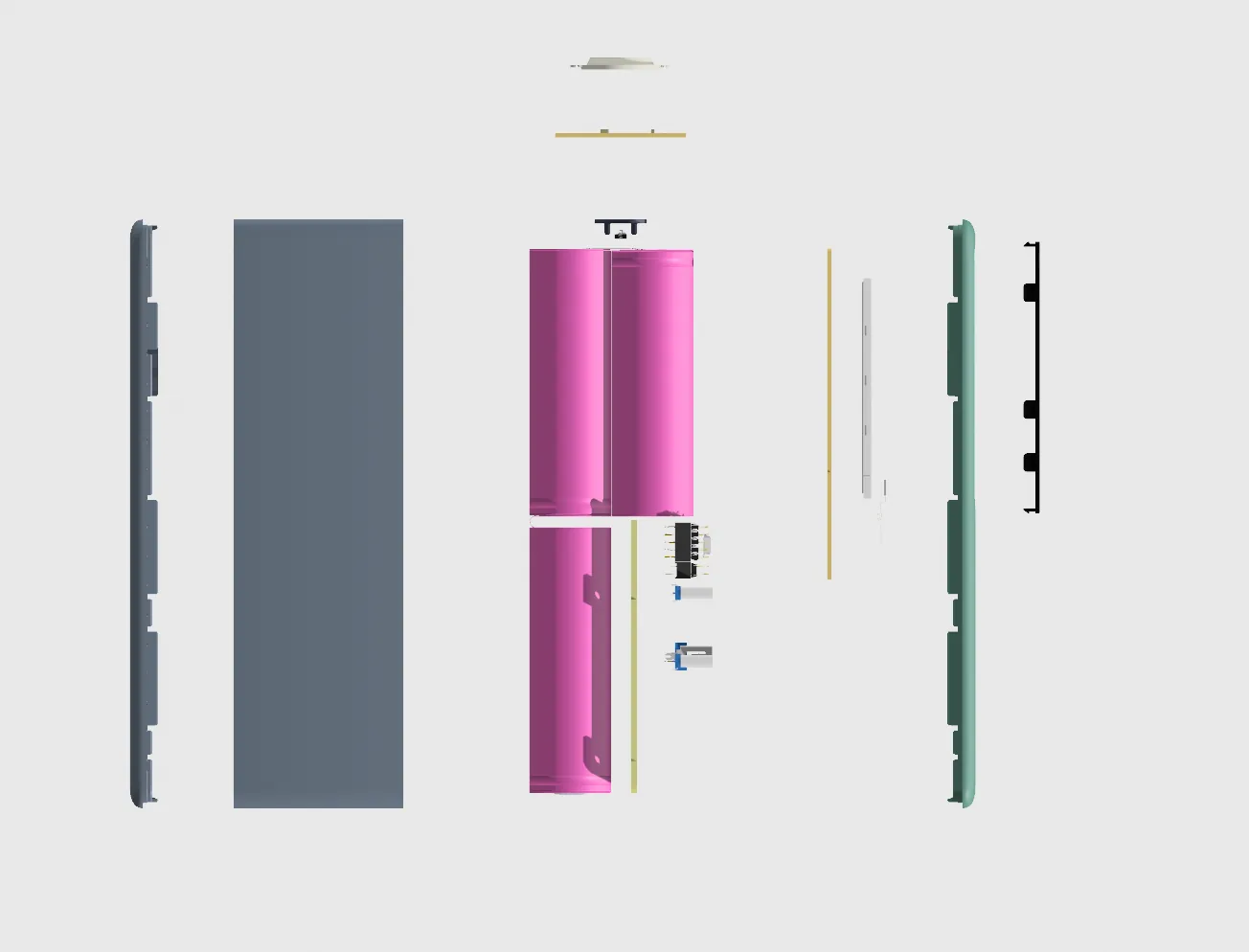
Customer project
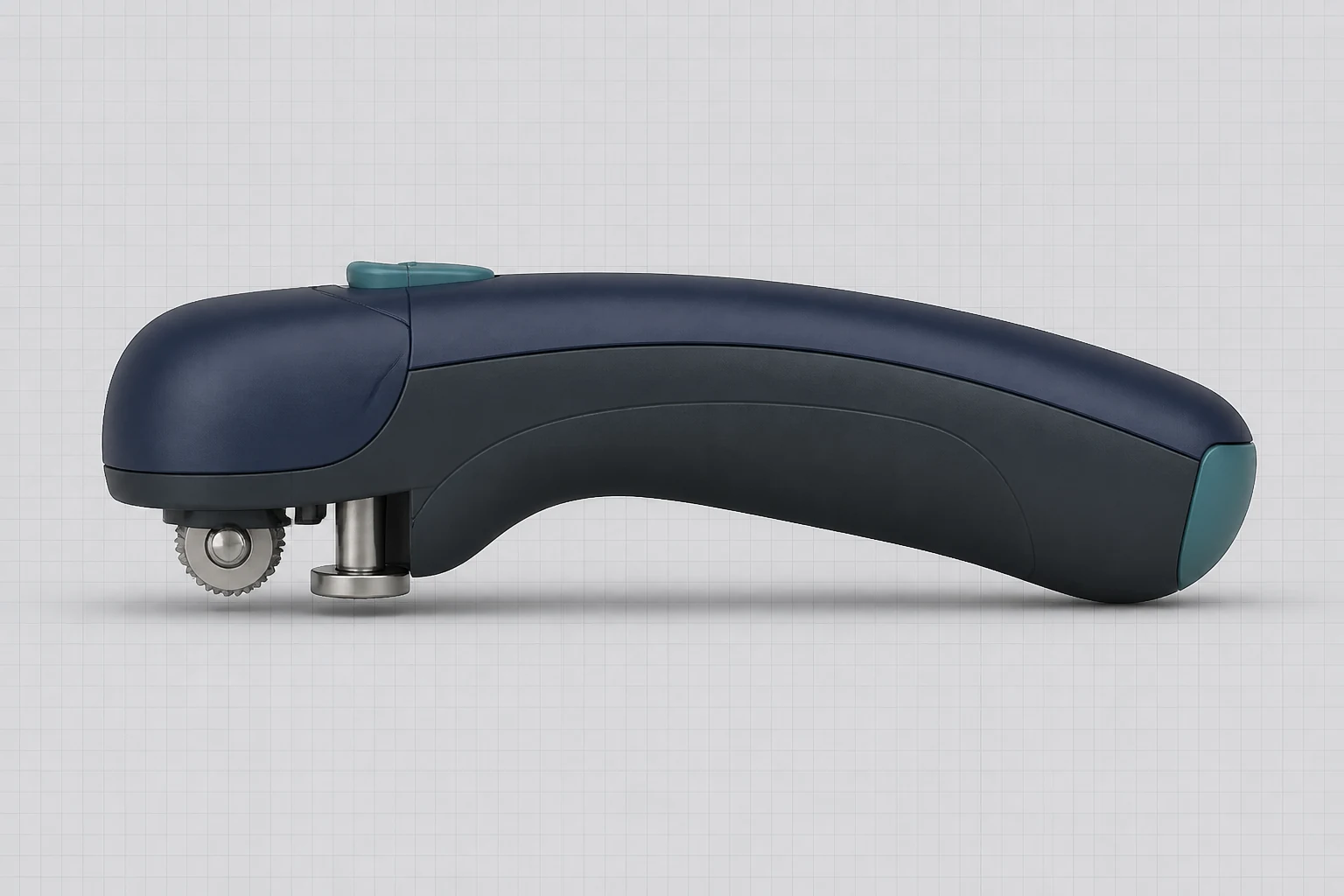
Customer project
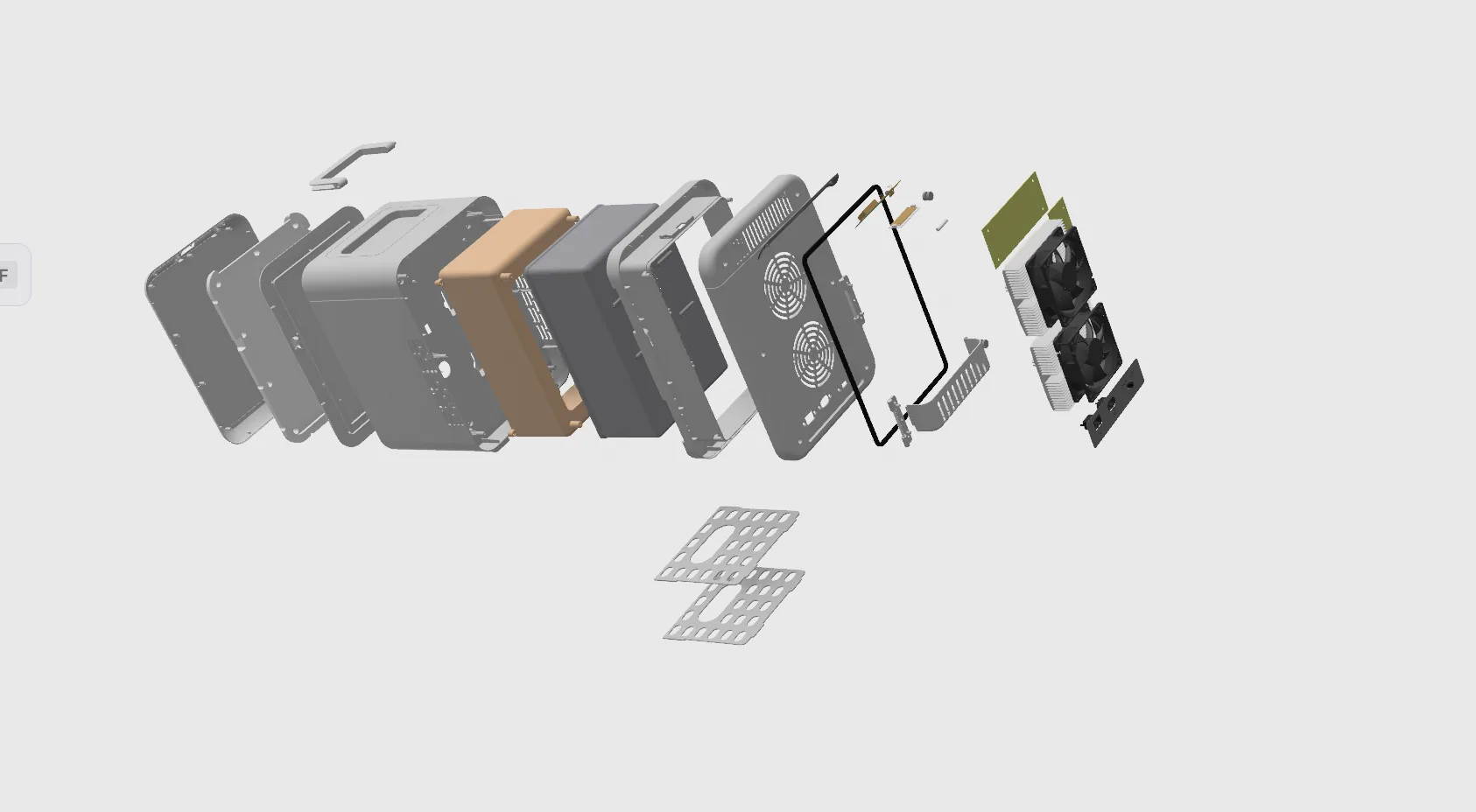
Customer project
Published drawings document design and assembly work. Performance test results, production quantities and customer acceptance records are not included in this public material.
Three engineering designs connect product functions to board interfaces, power paths and control logic.
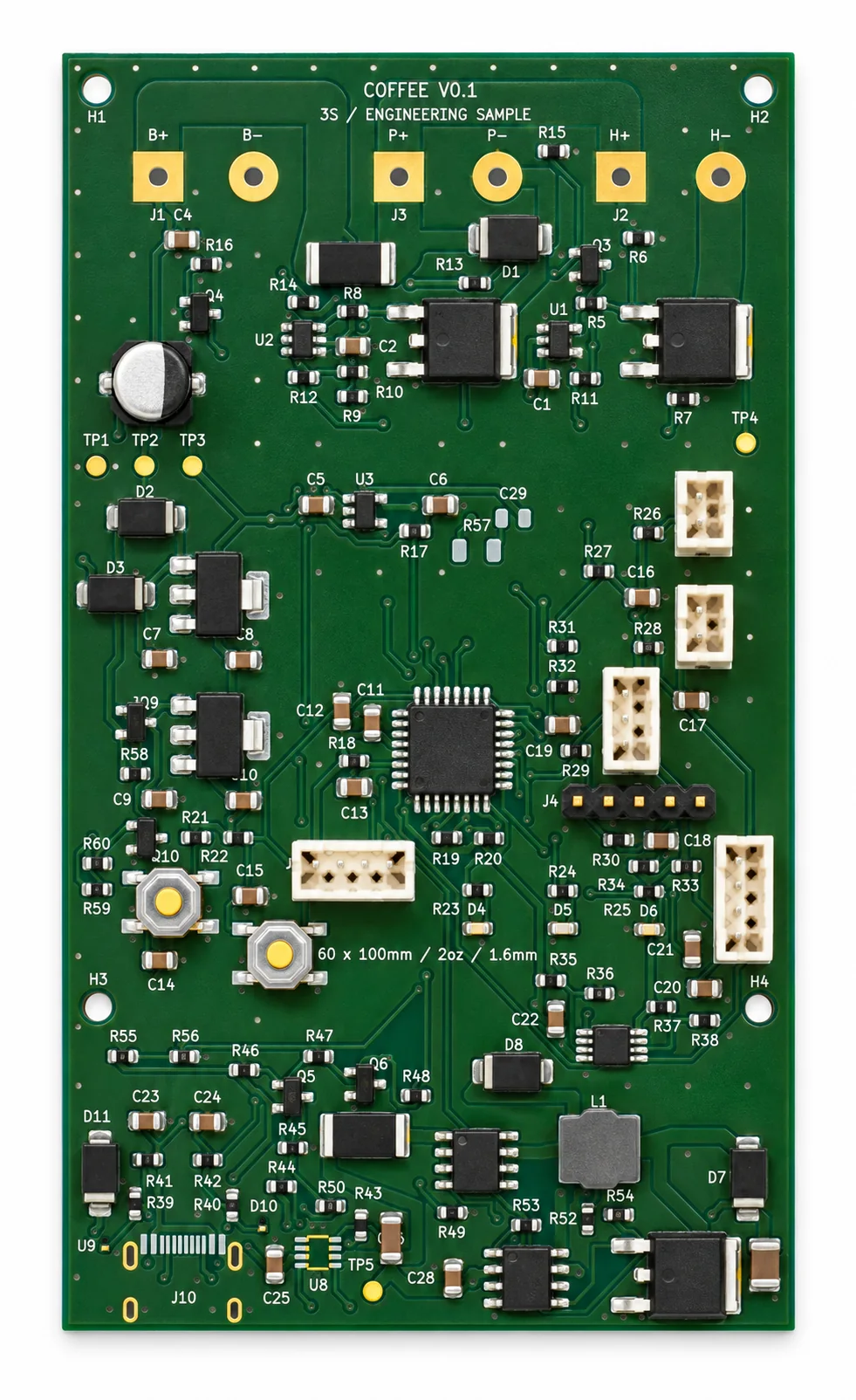
Engineering design
3S battery charging, heater switching, pump drive and temperature / pressure feedback. Inspect the schematic and copper routing.
Explore the engineering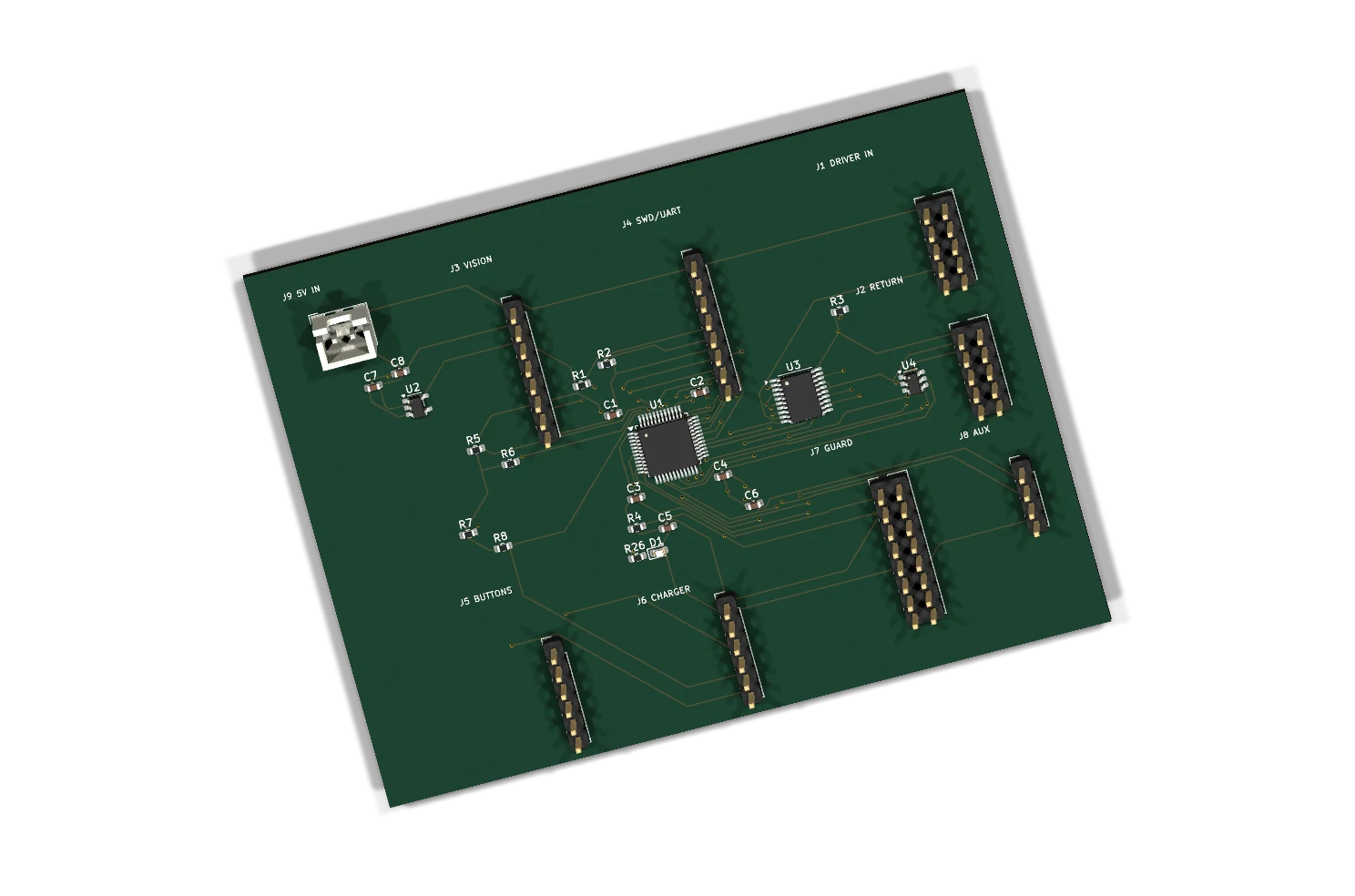
Engineering design
Vision-to-light mapping, independent LED channels, local timing and hardware gating. Inspect the circuit and control sequence.
Explore the engineering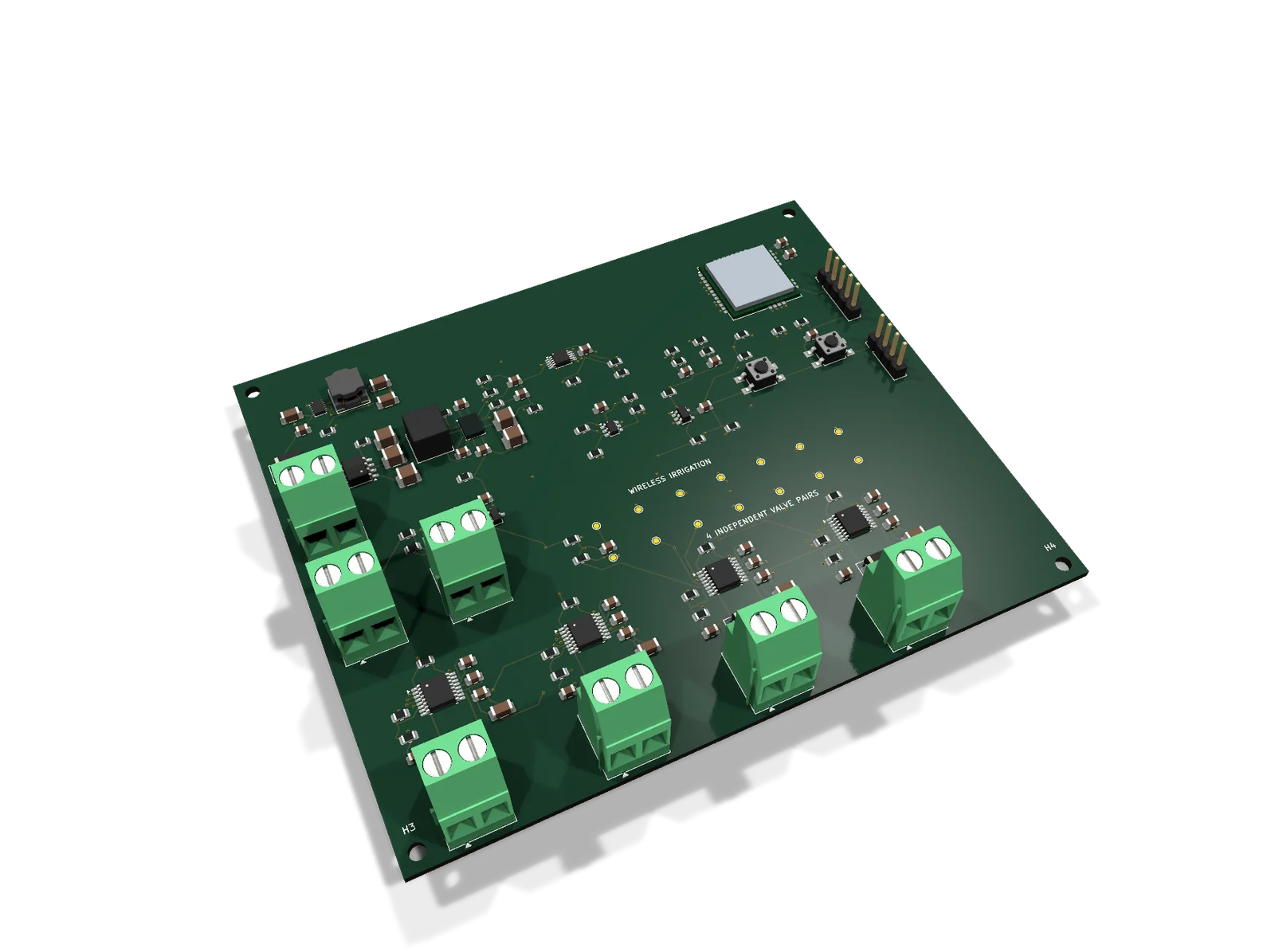
Design case
Four DC latching valve outputs, battery and solar power, gateway-connected LoRa, and rain-switch / pulse-flow interfaces.
Explore the designTemperature, level, pressure and flow control, with complete accessory selections, wiring details and downloadable technical files.
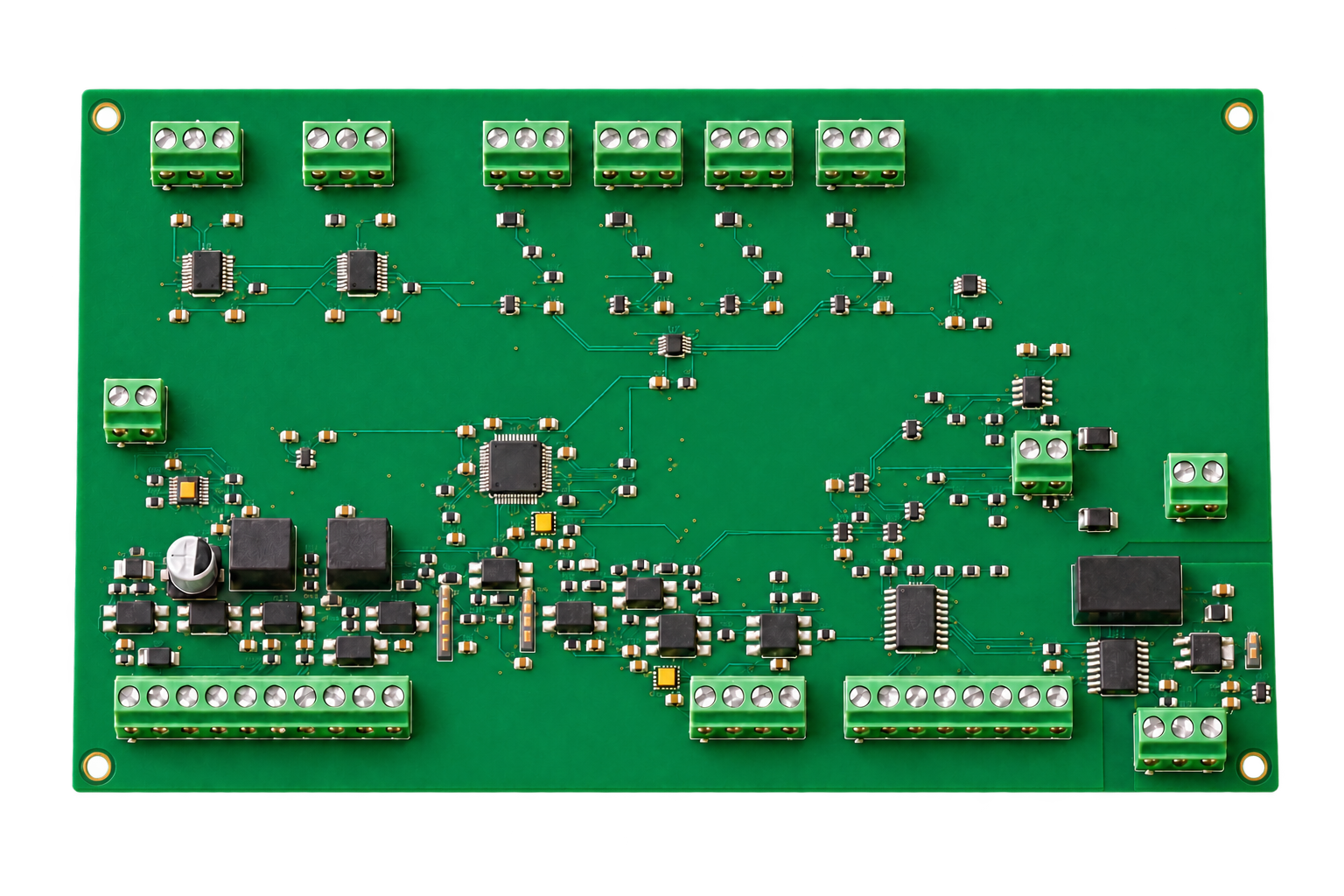
TANK-CTRL-A02
Temperature, level, pressure and flow control, with complete accessory selections, wiring details and downloadable technical files.
Dual-probe measurement, dehumidifier control, door events and data export, with editable hardware, firmware and cabinet CAD.
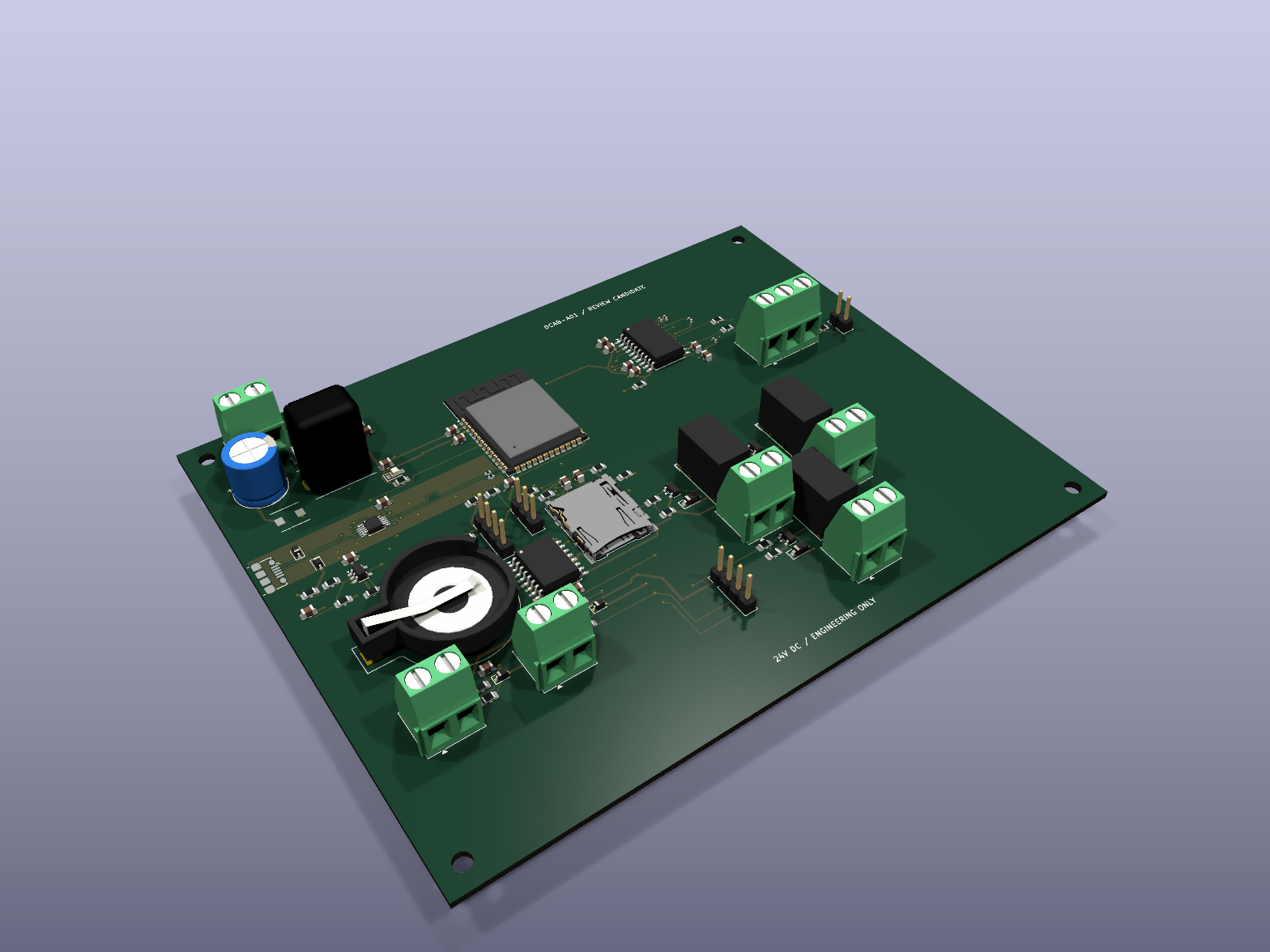
CAB120 · DRY CABINET CONTROL
ESP32-S3 · 2 × HMP7 · Humidity target ≤5% RH
Technical architecture & downloads ↗Equipment data, touch interaction and isolated communication, with schematics, firmware, 3D views and technical downloads.
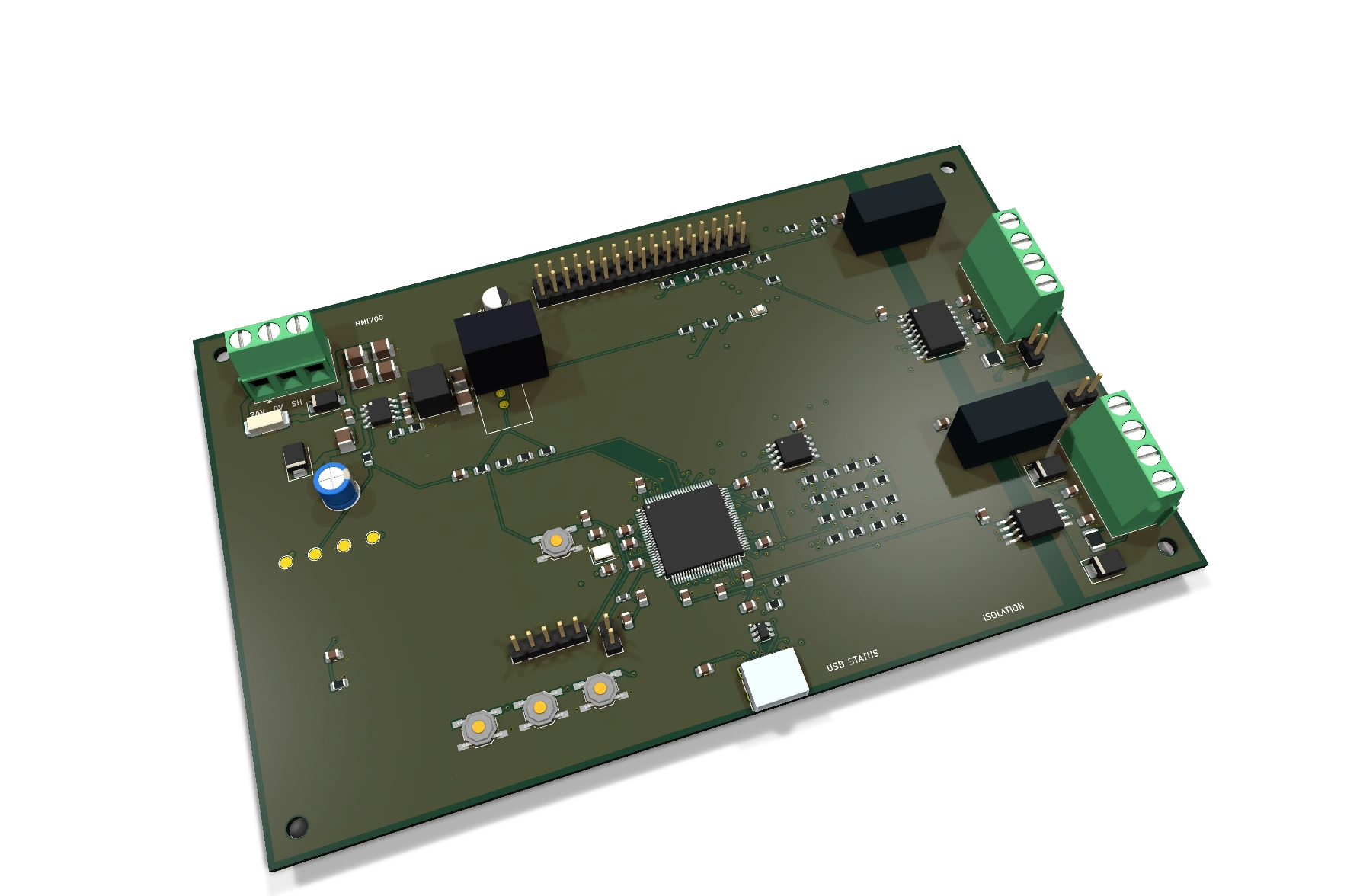
Engineering design candidate · Physical validation pending
HMI700 · INDUSTRIAL HMI
7-inch 800×480 capacitive touch, 24V input, STM32F407, isolated RS485 and classic CAN.
Explore the HMI & downloads ↗A duty/standby controller for pump manufacturers, water-treatment equipment and cabinet integrators. Pressure and tank-level inputs coordinate one running pump and one standby pump, automatic alternation, fault handling and operating records.
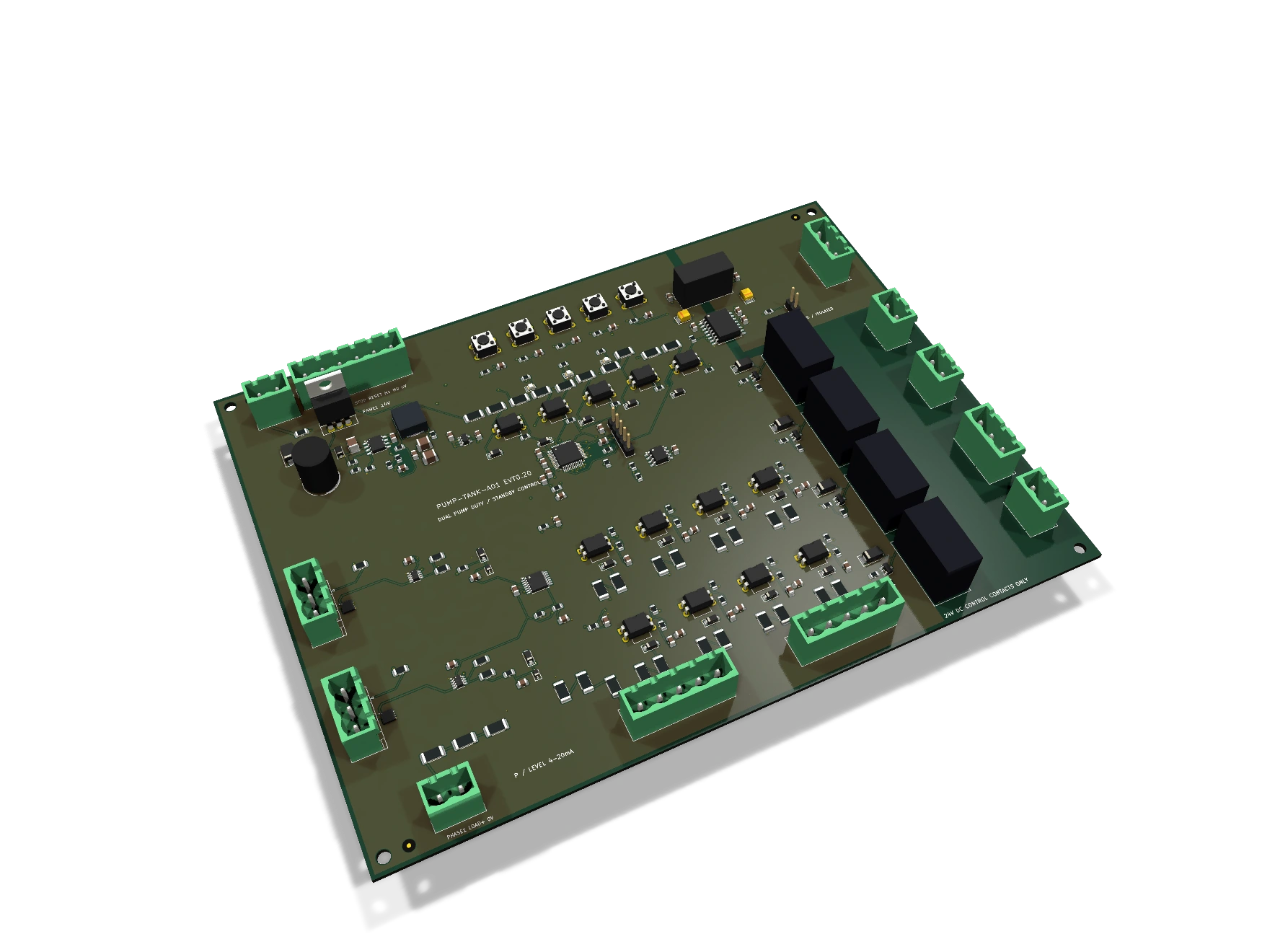
PUMP-TANK-A01 · WATER CONTROL
24V · 2 × 4–20mA · RS485 · 200 × 150mm
Technical downloads ↗Dual-band main board, independent tag reader, local control, editable KiCad, firmware and accessory qualification resources.
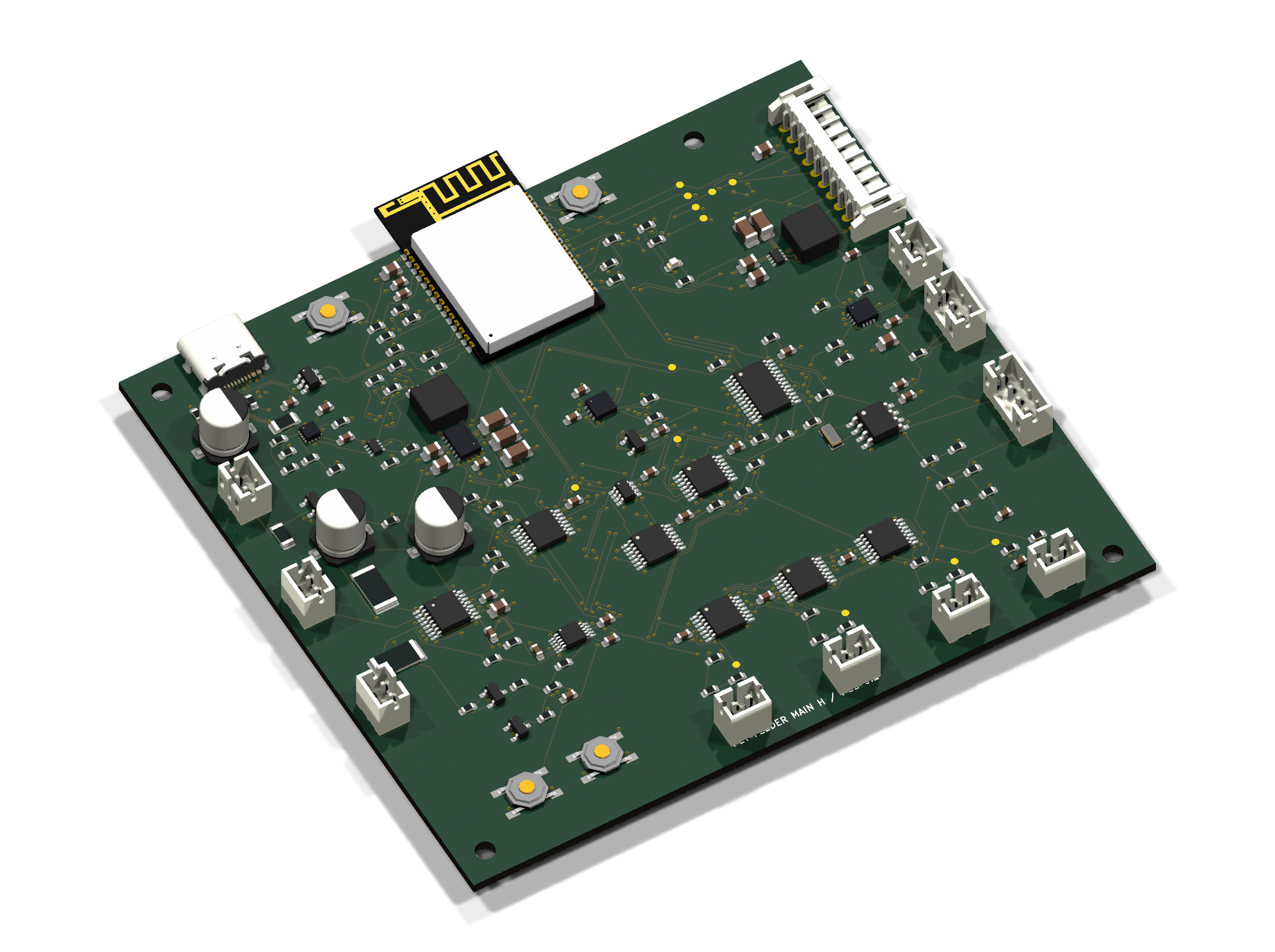
PF-RFID-REVH
Dual-band main board, independent tag reader, local control, editable KiCad, firmware and accessory qualification resources.
MVT-01 · vibration, Pt1000 temperature, trends and threshold alarms.
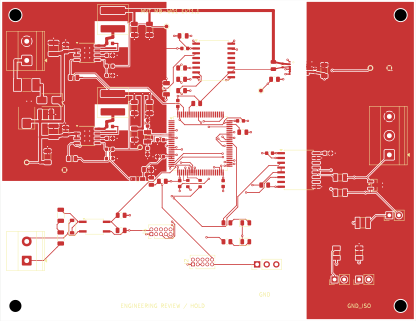
Engineering design candidate · Fabrication and field validation pending
Wired and wireless architectures. Download all technical materials: KiCad, schematics, Gerber, firmware, software, BOM and DFM.
Explore the system & downloads ↗Two temperature probes, door and power detection, local alarms, offline records and Wi-Fi replay.
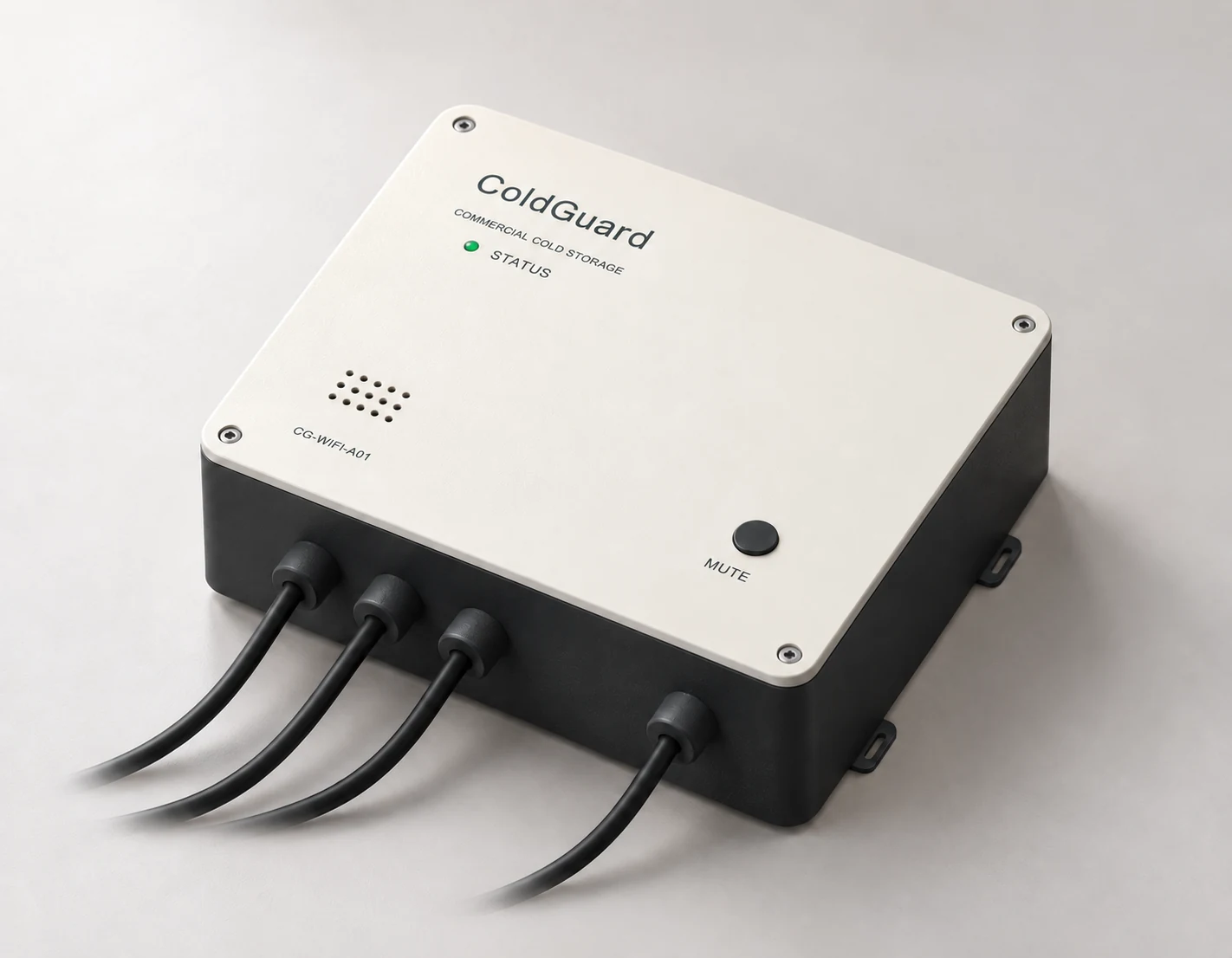
COLDGUARD · CG-WIFI-A01
Two temperature probes, door and power detection, local alarms, offline records and Wi-Fi replay.
CO₂ demand control, temperature/humidity monitoring, isolated Modbus RS485 and two EC fan voltage-control channels.
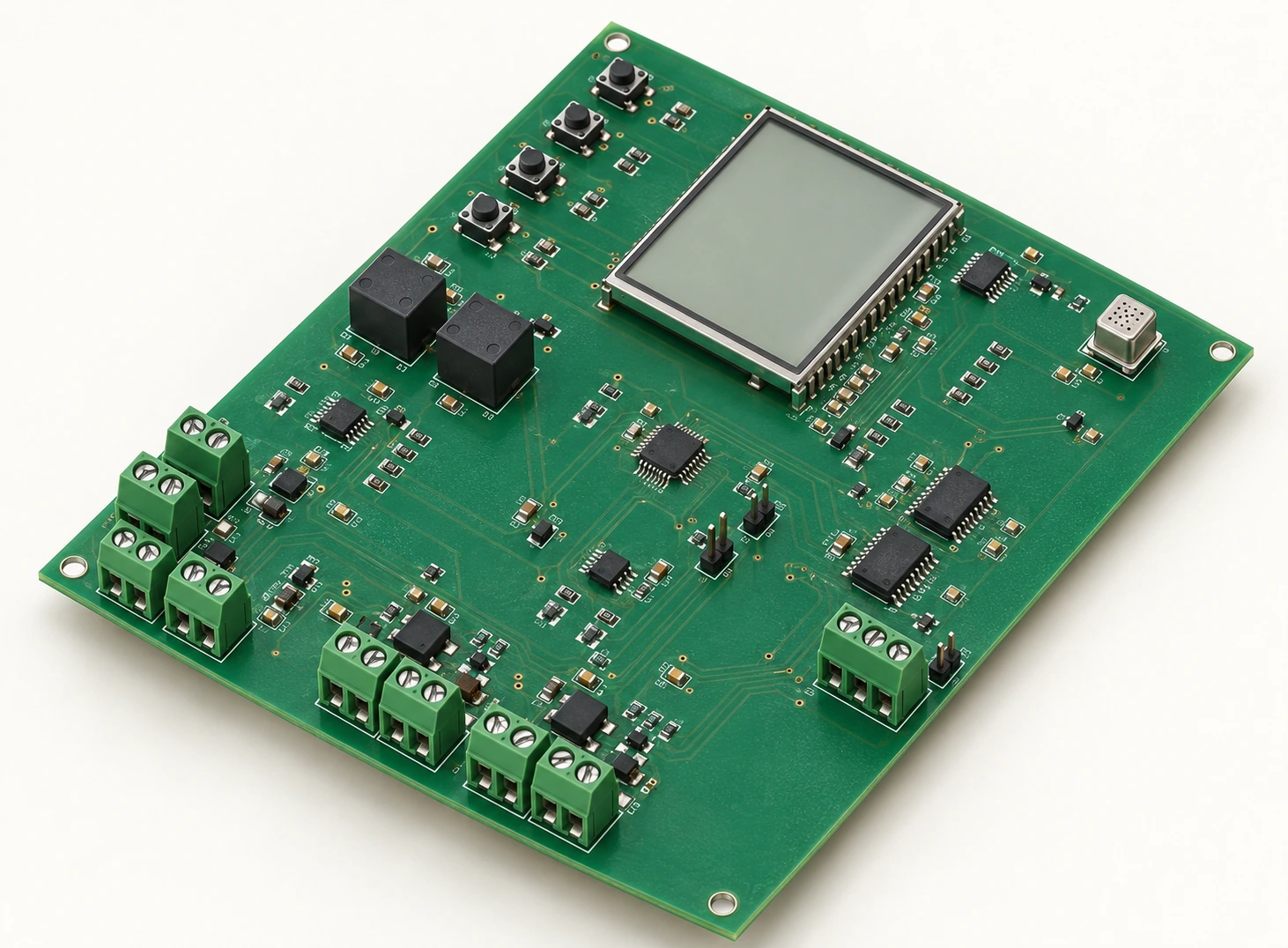
AQCTRL-A01 · VENTILATION CONTROL
CO₂ demand control, temperature/humidity monitoring, isolated Modbus RS485 and two EC fan voltage-control channels.
A shared control architecture for industrial dispensing, parcel lockers and retail cabinets.
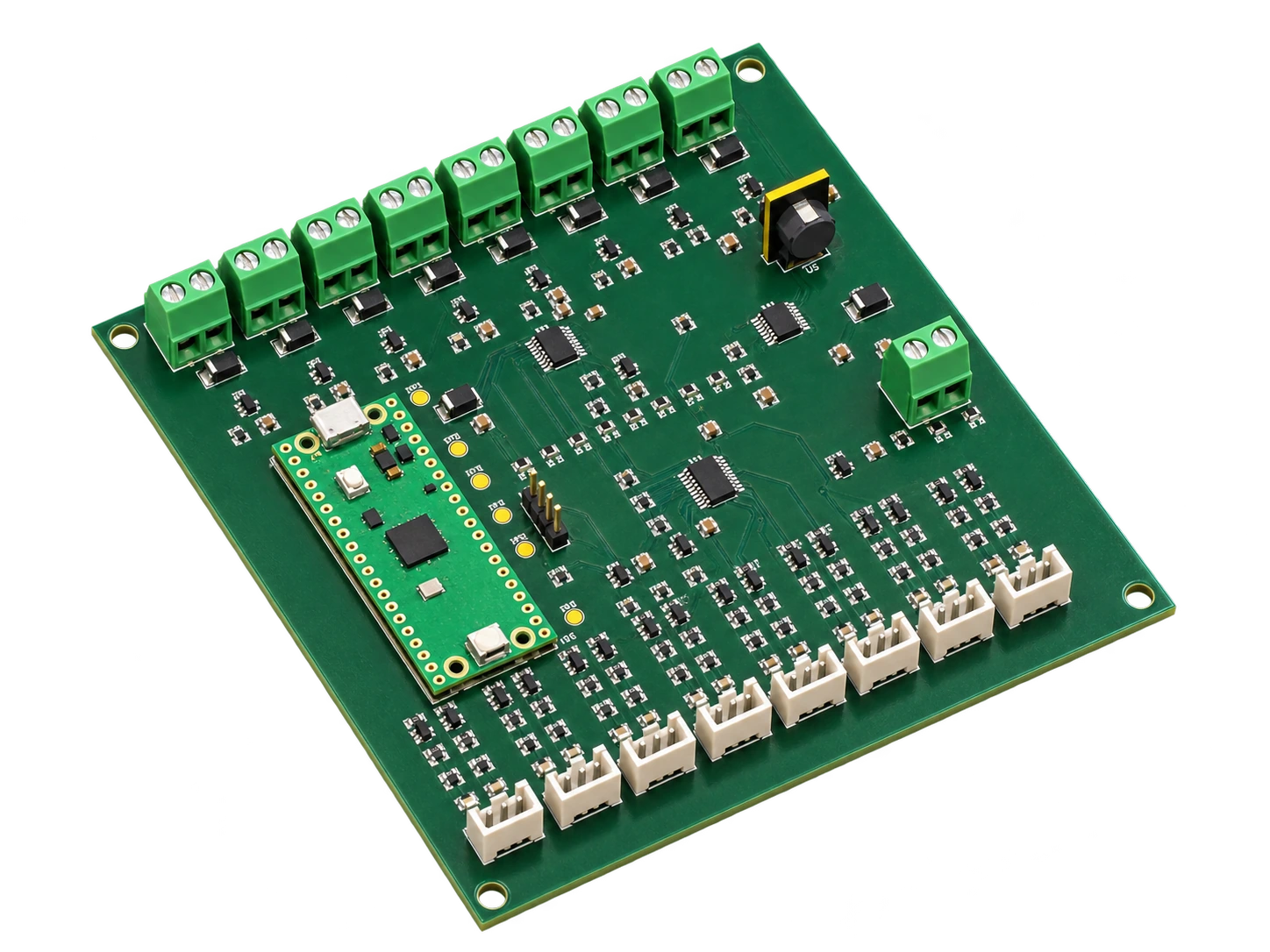
SMART CABINET · PCBA + FIRMWARE + SOFTWARE
A shared electronics and software architecture for industrial dispensing, parcel lockers and unattended retail. Bring access control, door feedback and business records into one cabinet system.
Software and target builds verified. Physical prototype and site acceptance pending.
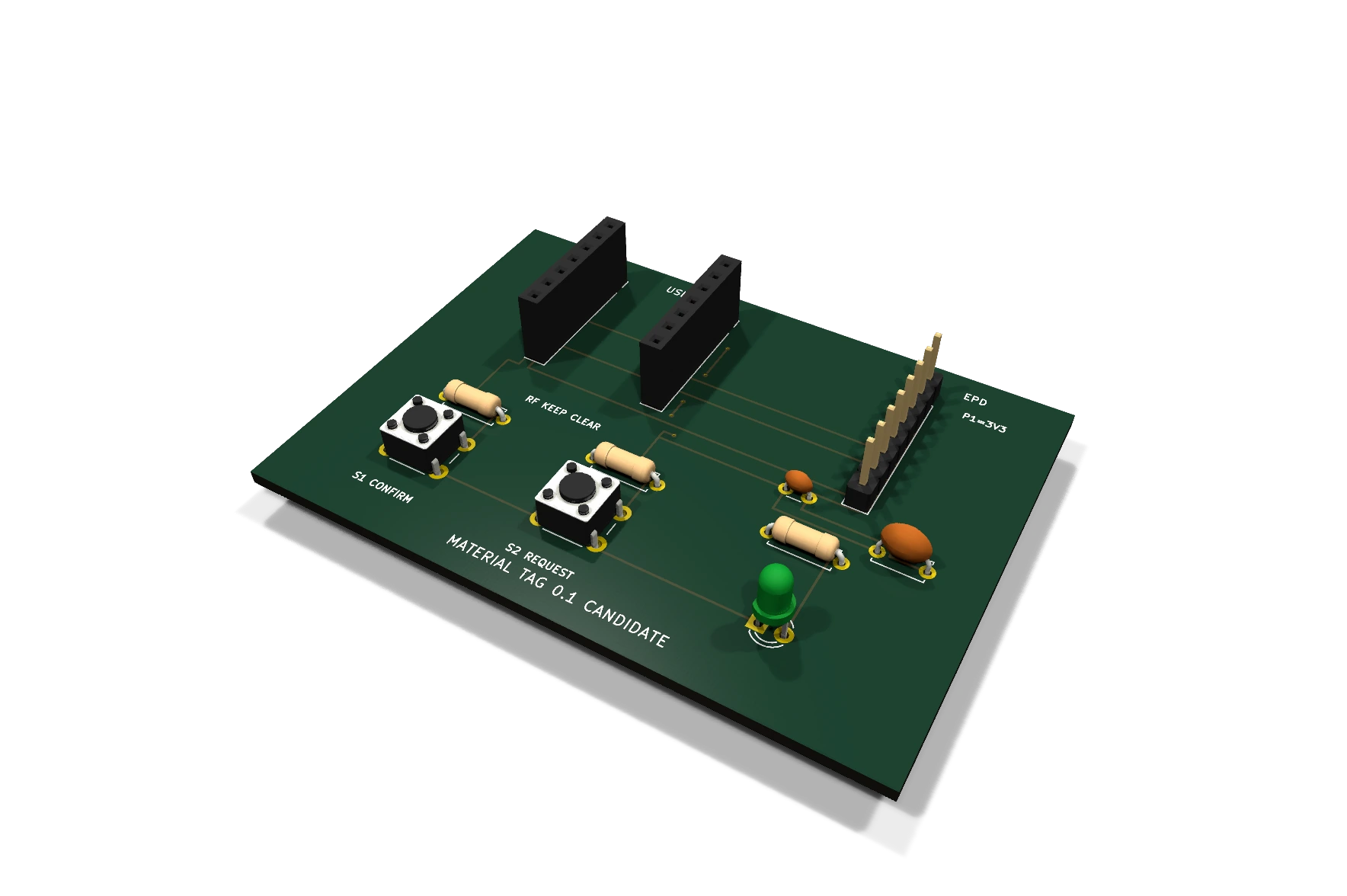
V0.3 · ENGINEERING TRIAL
Warehouse picking and lineside replenishment with a local workbench, USB/BLE firmware and downloadable engineering files.
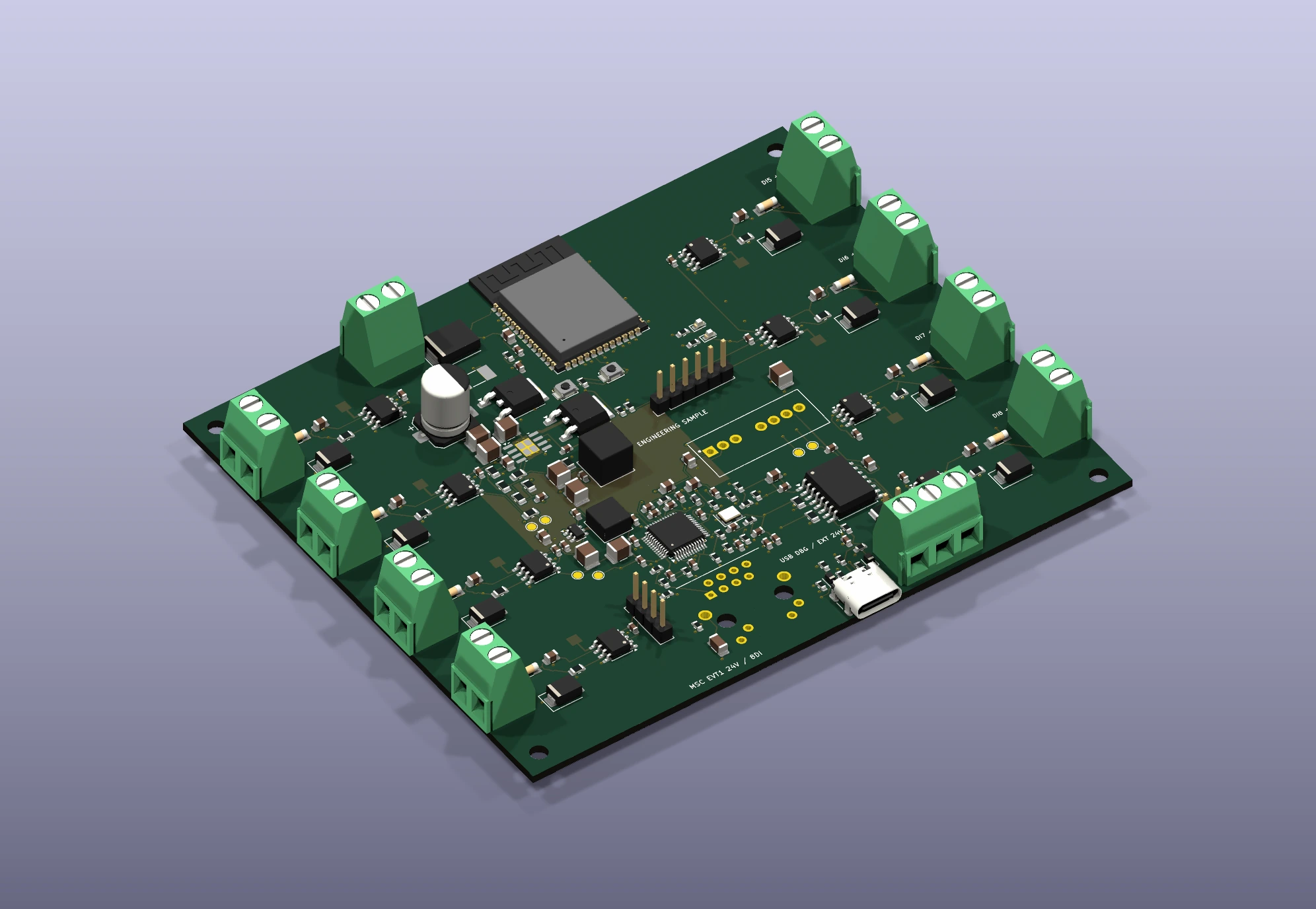
Explore the solution and files ↗INDUSTRIAL IOT · MSC EVT1
24 V inputs, local counts and network records — with the circuit, firmware, installation accessories and engineering budget available for review.
Engineering review candidate · FABRICATION HOLD
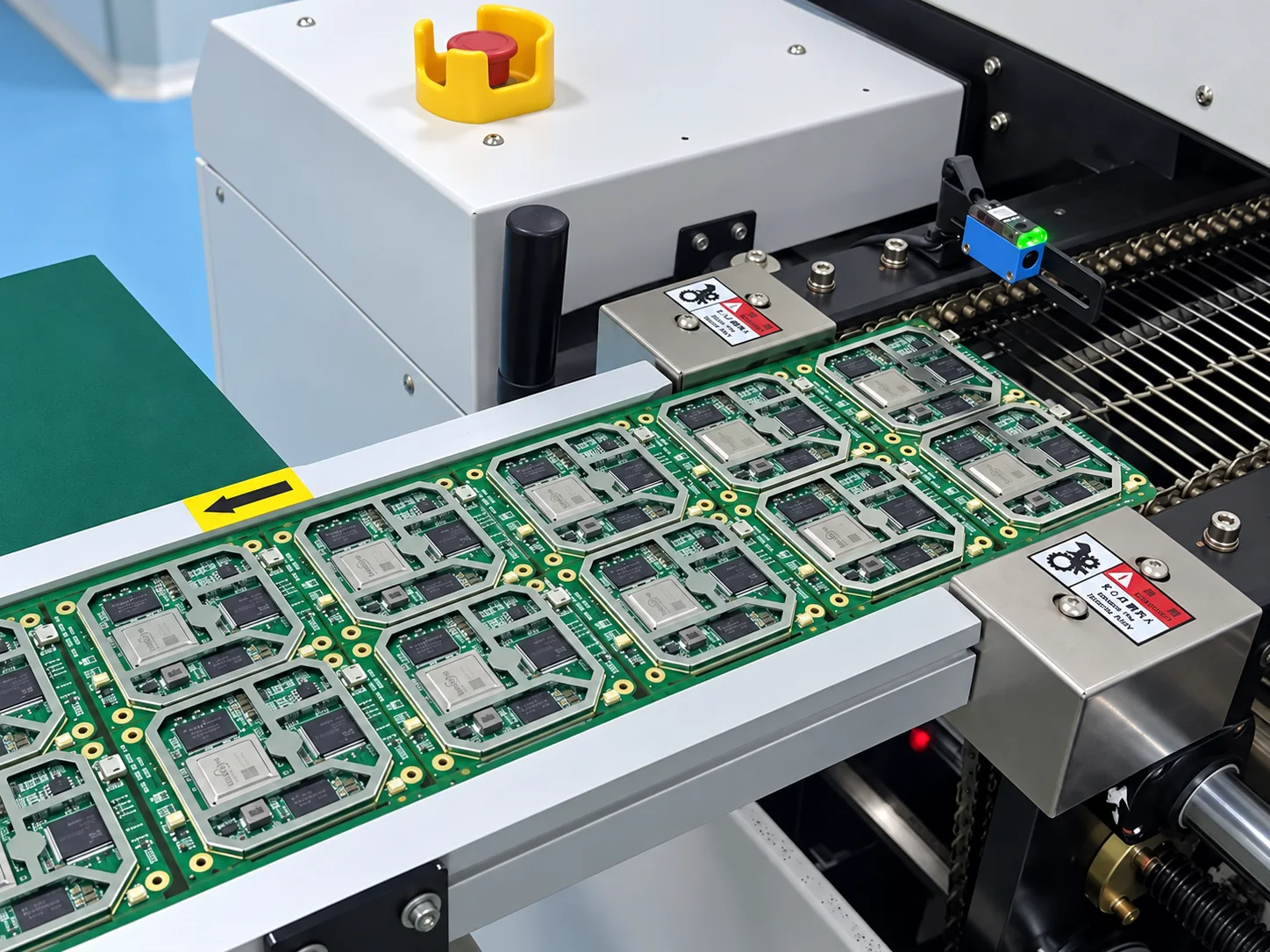
Compare six representative board profiles. Photos and planning ranges help define an RFQ; your released files determine the actual construction, quantity and test scope.

Industrial control
Dense processor board comparable to monitoring and laboratory instruments; regulated use requires customer-specific validation.
View planning details
Industrial control
Compact controller mounted in a routed carrier, comparable to rugged embedded and mobility-control modules.
View planning details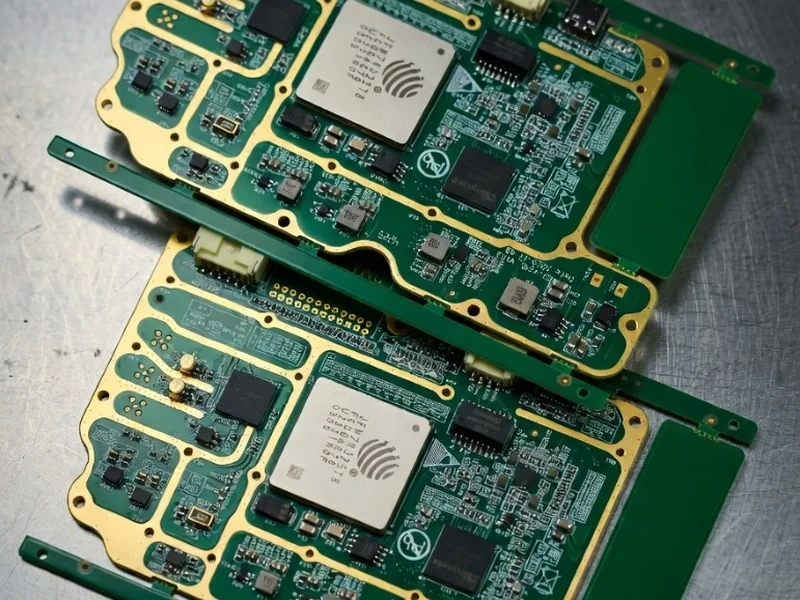
IoT & connectivity
Wireless module PCBA with RF integration, antenna keep-out control, power management, and production test access.
View planning details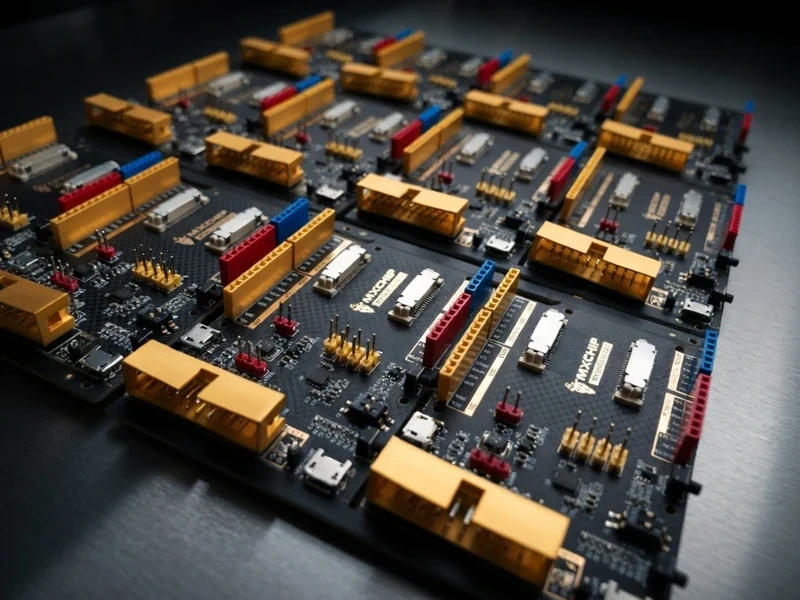
Industrial control
Connector-rich mixed SMT/THT board with programming access and functional-test planning.
View planning details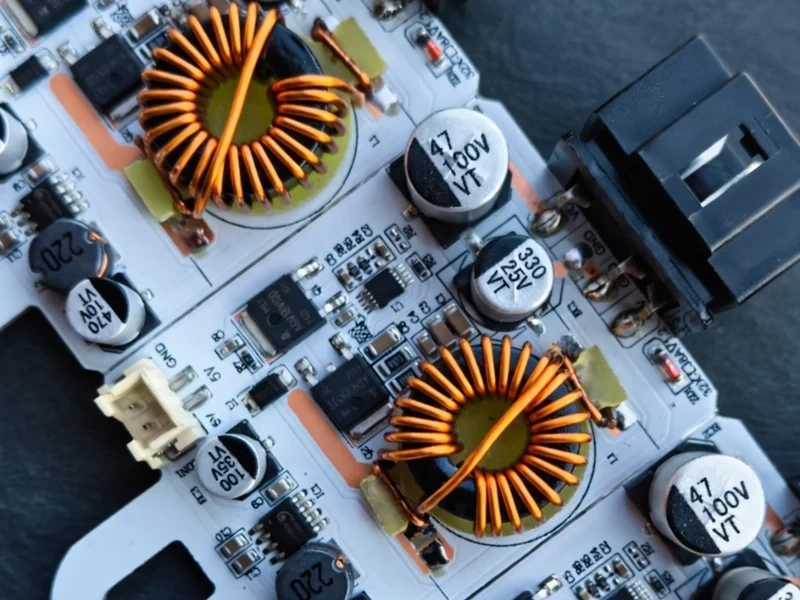
Energy & power
Power electronics board with inductors, high-current regions, and thermal inspection considerations.
View planning details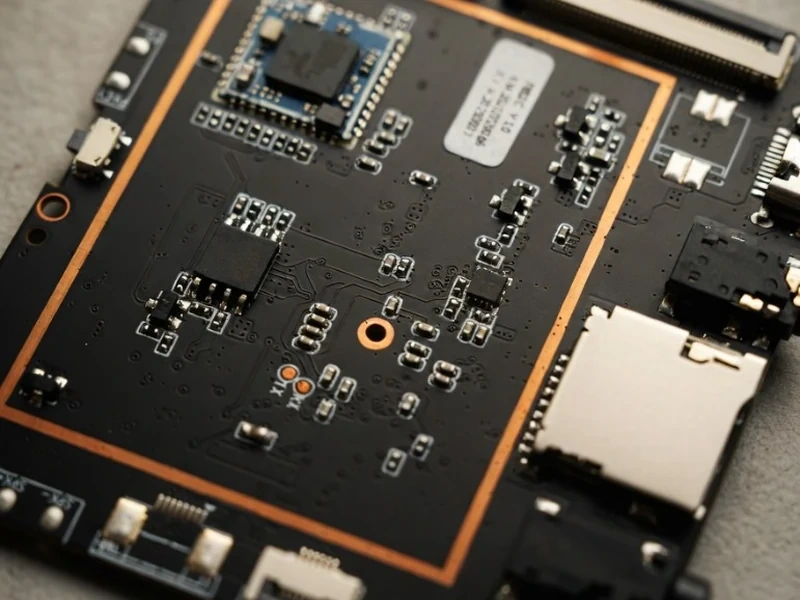
IoT & connectivity
Gateway-style communication PCBA with Ethernet interfaces, power regions, and EMC review needs.
View planning details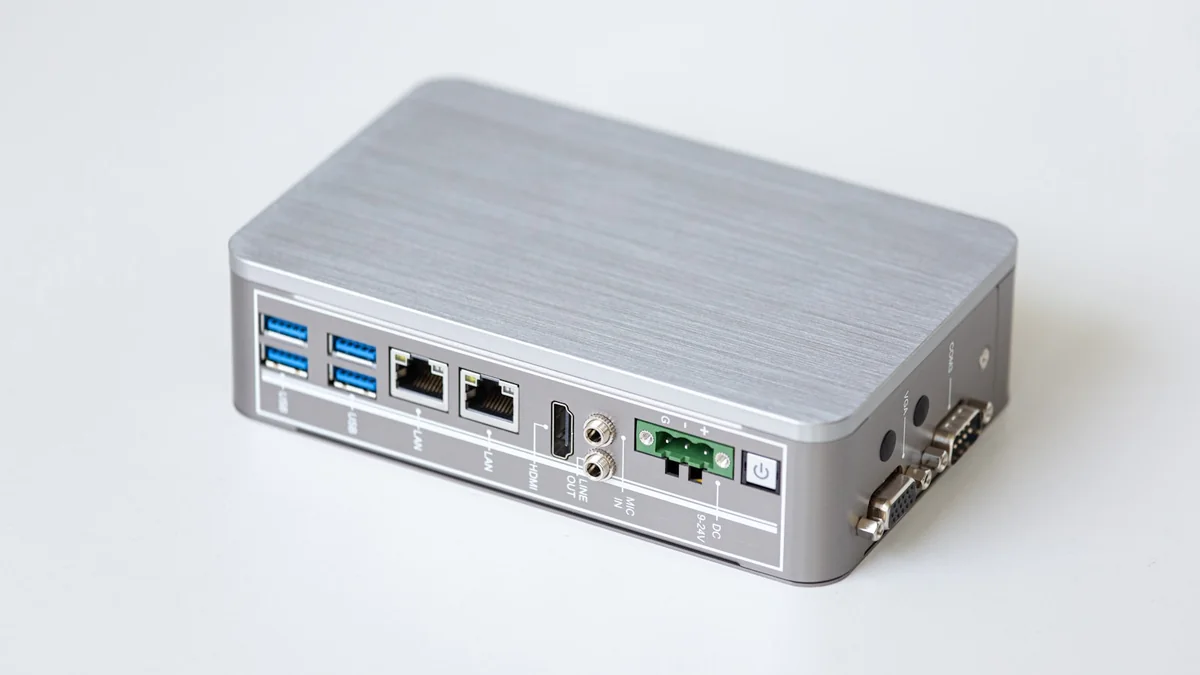
ASSEMBLY FORMAT
Box build adds enclosure fit, harness routing, agreed system checks, labeling and packing to the board scope. It can apply to any product direction.
Review box-build requirementsA new product needs design and sample evidence. An existing design starts with the released files and manufacturing review.
Confirm the application, current stage, constraints, inputs and acceptance criteria.
Develop the agreed electronics and mechanical interfaces, or review your existing board files and BOM.
Use prototypes or first articles to check the agreed functions, assembly and test limits.
Agree revisions, sourcing, programming, build records and release conditions before delivery.
For development, share the intended function and constraints. For manufacturing, share the application, quantity and available board files. Add a target date if you have one.
Files are optional to start. We review the available inputs and clarify the scope before quotation.
Request an NDA before sharing confidential filesA generic 24V monitoring platform for building integrators, equipment makers and facilities teams: eight zones, local alarms, alarm/health contacts and isolated RS485, with editable engineering files.
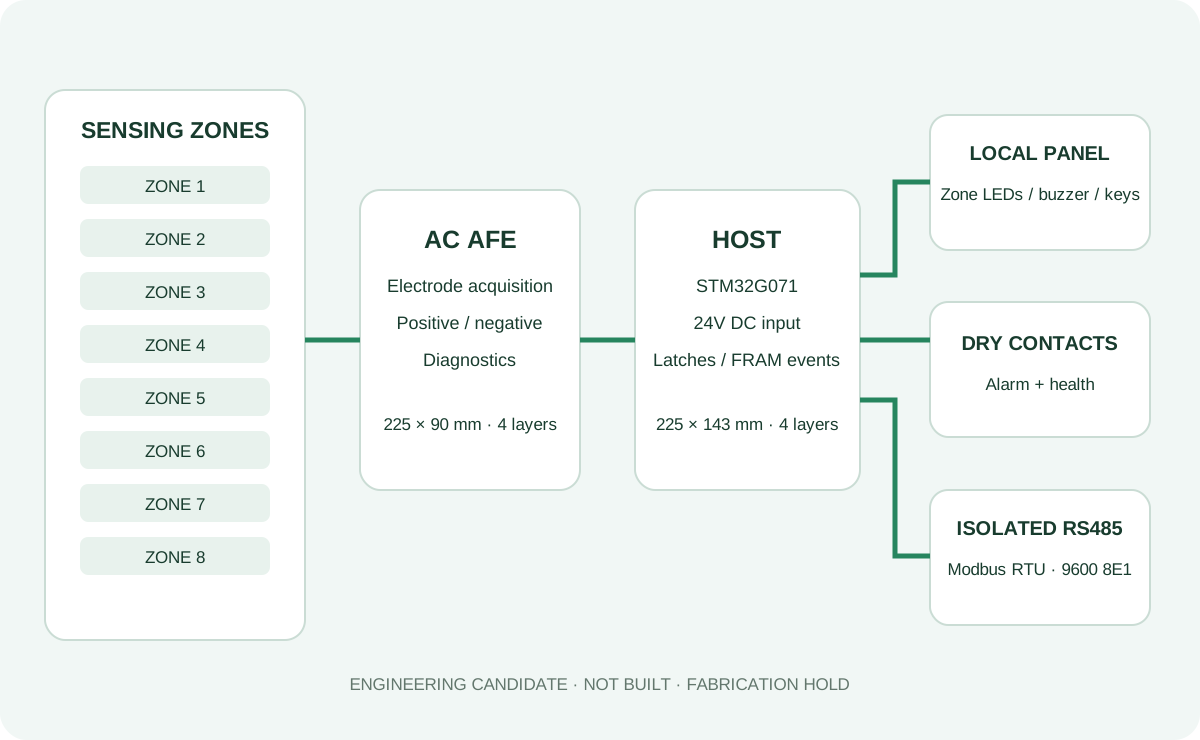
LWC8-A02 · ENGINEERING CANDIDATE
Engineering candidate — not built · 24V · RS485
Technical files ↗Flow-pulse dosing with isolated external-pump interfaces and low-level interlocks. Engineering candidate with complete factory-review downloads.
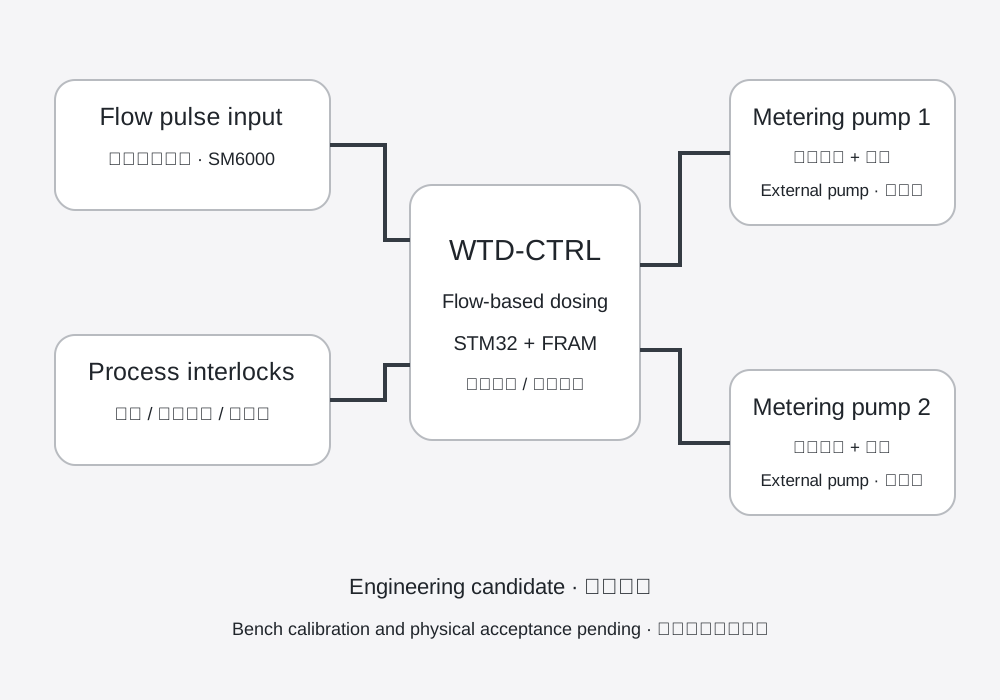
WTD-CTRL-A01 · FLOW DOSING
18–30V DC · 2 external pumps · R35 factory handoff · Physical acceptance pending
Technical downloads ↗