ENG-08 · Energy & Power
AI Home Energy Monitoring and Load Disaggregation PCBA
A representative edge-measurement platform for high-rate whole-home energy sampling, appliance signature extraction, local processing, and secure wireless reporting.
Project context
How this product is typically engineered
A representative edge-measurement platform for high-rate whole-home energy sampling, appliance signature extraction, local processing, and secure wireless reporting.
System architecture
Typical architecture
Current-transformer and mains-voltage inputs pass through protection and low-noise analog front ends to high-speed ADCs; a CPLD aligns sample timing before an ARM processor handles buffering, storage, wireless communication, and model features.
Engineering risks to resolve
Decisions to close before release
- Capture low-level appliance signatures accurately beside hazardous mains voltages and high common-mode noise.
- Sustain synchronized high-rate sampling, buffering, compute, and thermal limits without losing events.
- Control privacy, device identity, secure updates, and false-positive load classification over product life.
Validation plan
Checks to define before production
- Calibrate channel gain and phase and test CT orientation, saturation, crosstalk, and representative load waveforms.
- Measure sampling jitter, dropped data, analog noise, EMC immunity, thermal stability, and power-interruption recovery.
- Evaluate load-disaggregation precision and recall on a labeled dataset plus offline, reconnect, and update scenarios.
What to put in the RFQ
Files and records to agree before quoting
Use this list to agree the build inputs and release records for a similar product. The final set depends on the project.
Design baseline
Released schematic or block diagram, interface table, power states, critical constraints, and revision owner.
Manufacturing release
Gerber or ODB++, stack-up, centroid data, assembly drawings, approved DFM dispositions, and panel assumptions.
Material control
Released BOM revision, manufacturer part numbers, AVL or alternate rules, no-substitute lines, MSL handling, and exception approvals.
Validation record
Test method, acceptance criteria, sample or serial identity, measured result fields, and disposition. Example scope: Calibrate channel gain and phase and test CT orientation, saturation, crosstalk, and representative load waveforms.
Production release
First-article status plus the agreed SPI, AOI, X-ray, ICT, FCT, programming, rework, OQA, labeling, and packing records.
During RFQ review, we confirm the required fields, sampling, limits, approvals, and record-retention period. Confidential project information stays within the agreed access rules.
Development and production controls
Typical manufacturing scope
- Low-noise multi-channel energy acquisition.
- ADC and CPLD sampling pipelines.
- ARM edge processing and wireless telemetry.
Technical image review
Board-level evidence
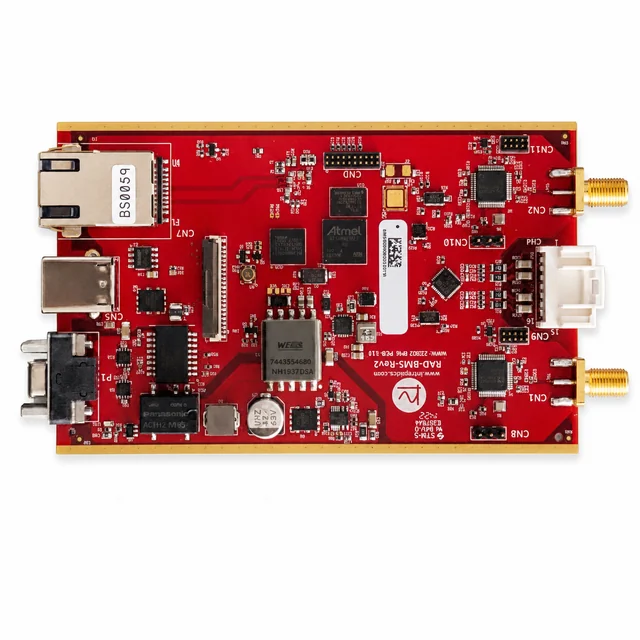
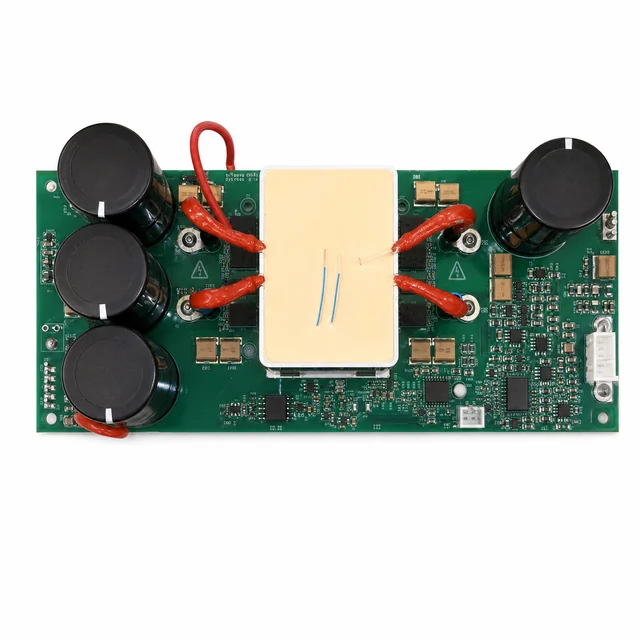
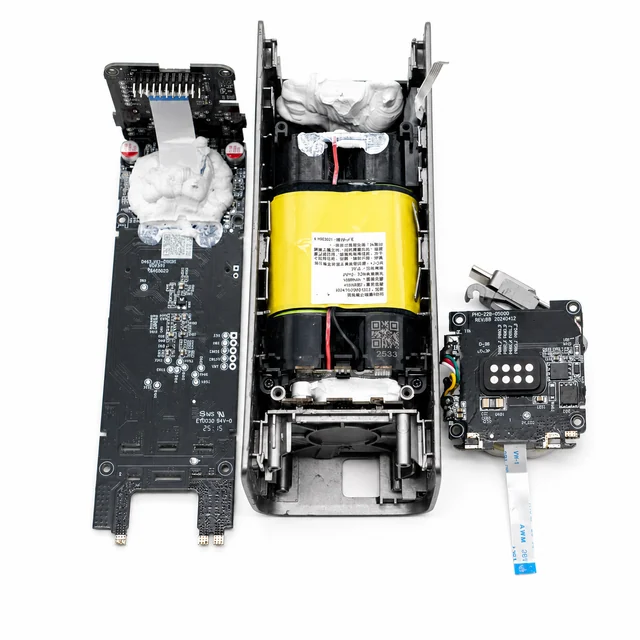
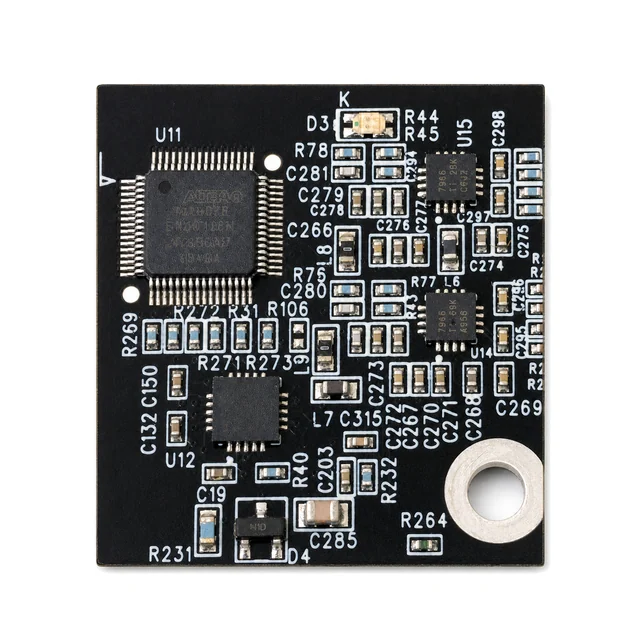
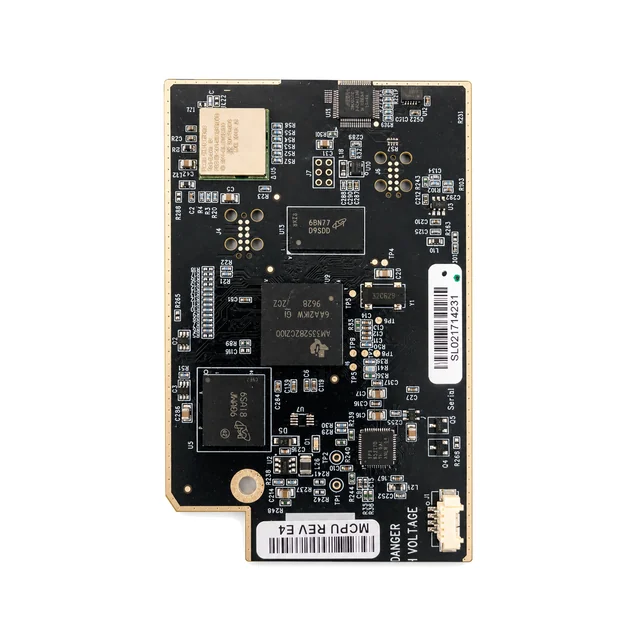
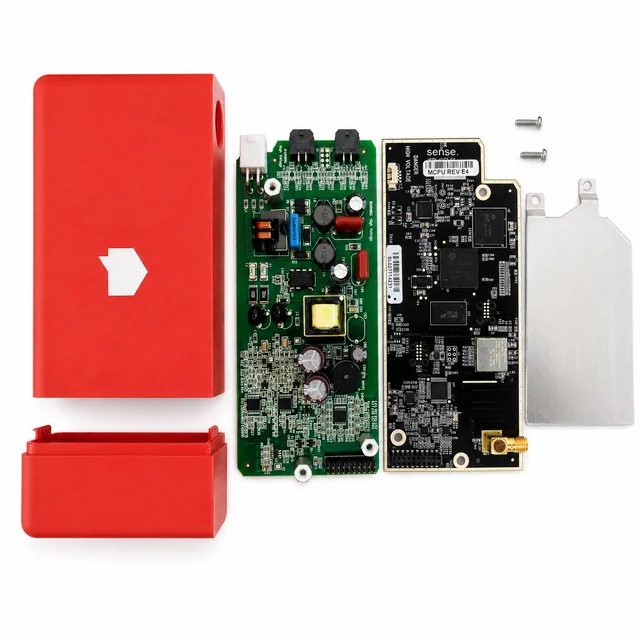
White-background views are published to make component placement, interfaces and assembly boundaries easier to inspect.