ENG-03 · Energy & Power
High-Power USB-C Power Bank Control PCBA
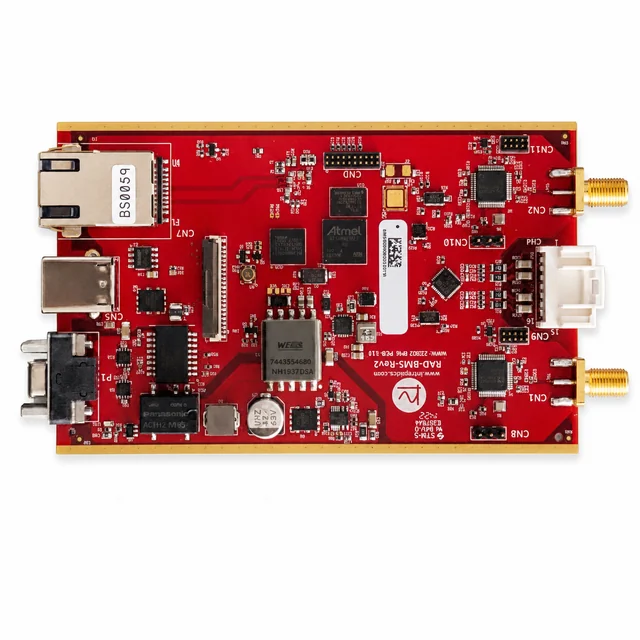
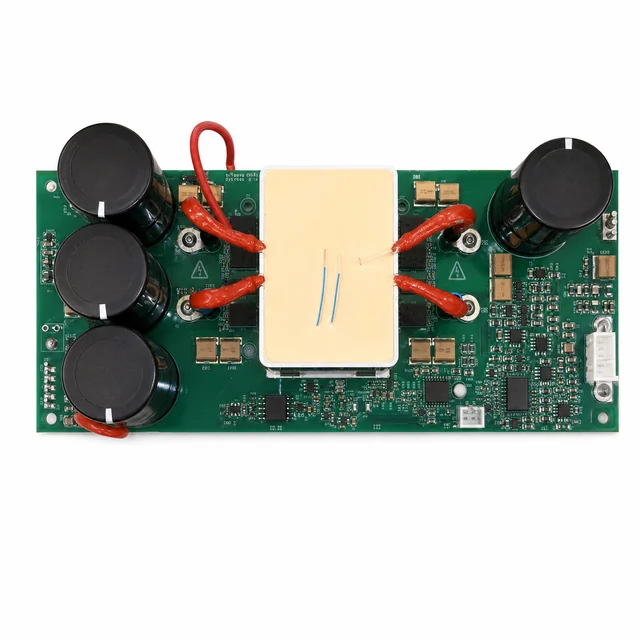
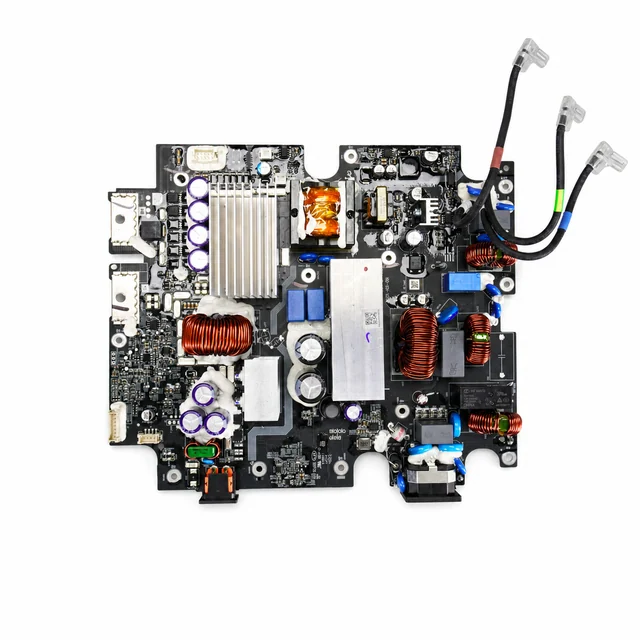
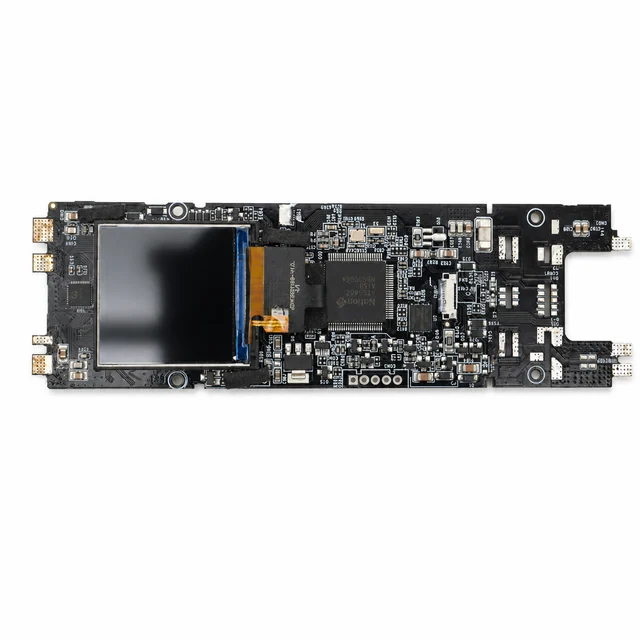
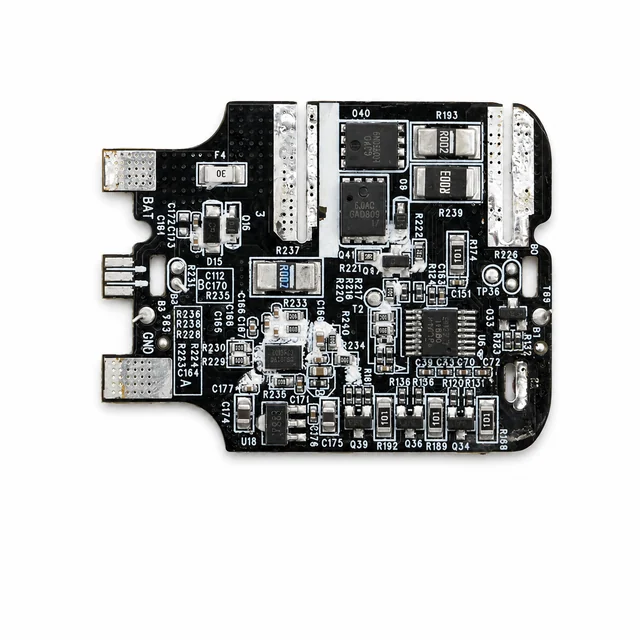
A representative High-output USB-C power bank PCBA reference: cell protection, balancing, fuel gauging, multi-port power allocation, display control, and fast charging.
Project context
How this product is typically engineered
A representative High-output USB-C power bank PCBA reference: cell protection, balancing, fuel gauging, multi-port power allocation, display control, and fast charging.
System architecture
Typical architecture
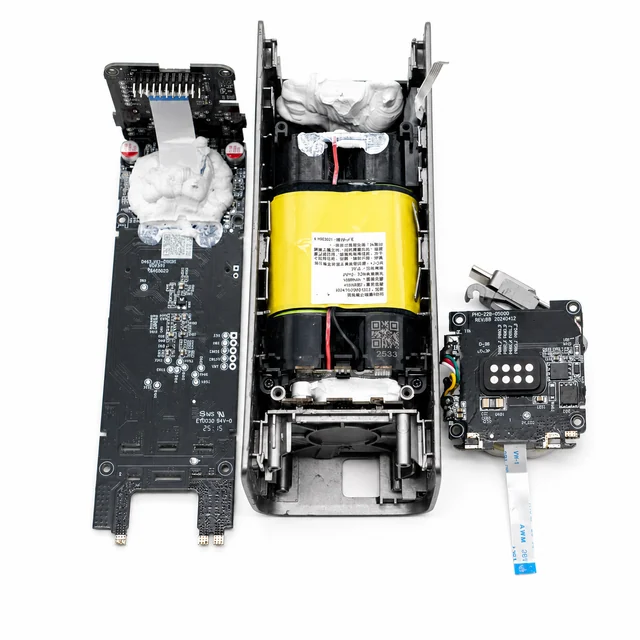
A cylindrical-cell pack connects through protection, balancing, and fuel-gauge circuitry to a shared DC bus, where multi-channel bidirectional buck-boost and USB-C power-delivery controllers manage the external ports and user interface.
Engineering risks to resolve
Decisions to close before release
- Allocate a high shared power budget safely across simultaneous input and output combinations.
- Limit cell, connector, inductor, and switching-device temperature inside a compact enclosure.
- Keep fuel-gauge accuracy, role swapping, cable detection, and protection states consistent through power interruptions.
Validation plan
Checks to define before production
- Exercise supported USB-C profiles, cable types, role swaps, and multi-port power-allocation combinations.
- Measure conversion efficiency, ripple, connector temperature, and thermal derating from empty to full battery.
- Run cell-imbalance, overcurrent, short-circuit, charge-cycle, brownout, and interrupted-update recovery tests.
What to put in the RFQ
Files and records to agree before quoting
Use this list to agree the build inputs and release records for a similar product. The final set depends on the project.
Design baseline
Released schematic or block diagram, interface table, power states, critical constraints, and revision owner.
Manufacturing release
Gerber or ODB++, stack-up, centroid data, assembly drawings, approved DFM dispositions, and panel assumptions.
Material control
Released BOM revision, manufacturer part numbers, AVL or alternate rules, no-substitute lines, MSL handling, and exception approvals.
Validation record
Test method, acceptance criteria, sample or serial identity, measured result fields, and disposition. Example scope: Exercise supported USB-C profiles, cable types, role swaps, and multi-port power-allocation combinations.
Production release
First-article status plus the agreed SPI, AOI, X-ray, ICT, FCT, programming, rework, OQA, labeling, and packing records.
During RFQ review, we confirm the required fields, sampling, limits, approvals, and record-retention period. Confidential project information stays within the agreed access rules.
Development and production controls
Typical manufacturing scope
- Battery protection and fuel gauging.
- Multi-channel bidirectional buck-boost.
- USB-C power delivery and display control.
Technical image review
Board-level evidence
White-background views are published to make component placement, interfaces and assembly boundaries easier to inspect.