ENG-01 · Battery Intelligence
High
Wireless BMS
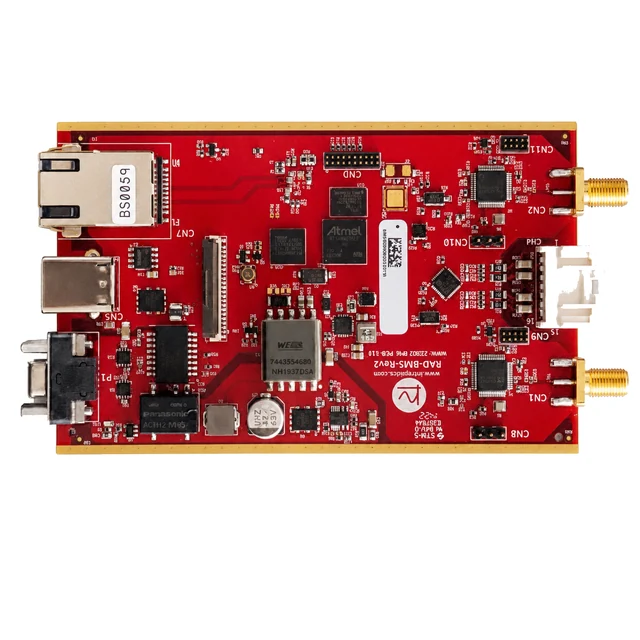
A representative engineering architecture for pack-level safety supervision, battery-state estimation, fault diagnostics, data logging, and wireless cell-monitor communication.
Read full referenceEngineering reference library · Consumer energy
Eight reference architectures trace the power paths, sensing, embedded control, safety decisions, validation gates, and release work used in energy products.
Filter by application or search by function. Each reference outlines power paths, engineering risks and validation work to consider for a new energy product.
A representative engineering architecture for pack-level safety supervision, battery-state estimation, fault diagnostics, data logging, and wireless cell-monitor communication.
Read full reference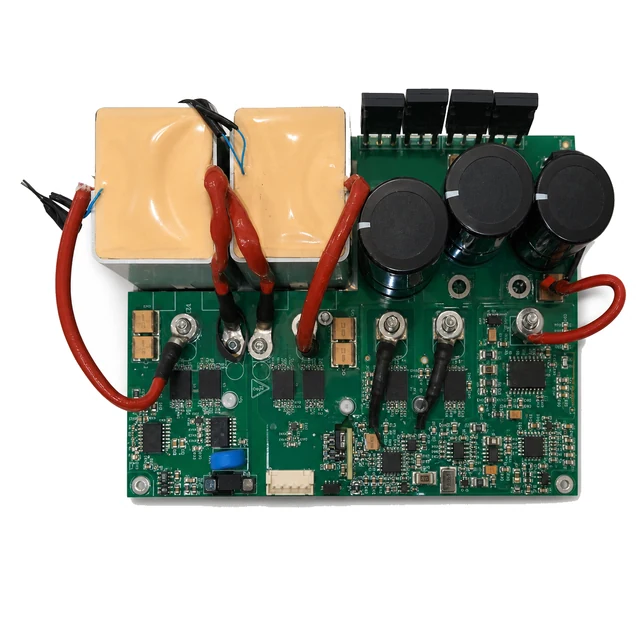
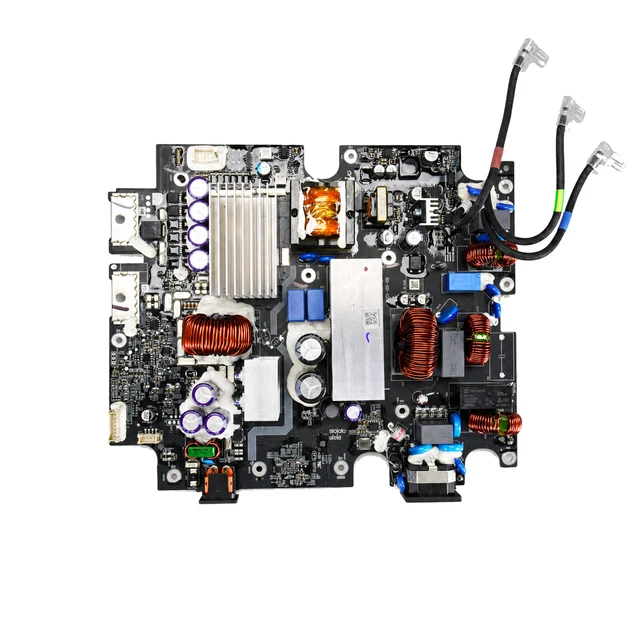
A representative high-voltage architecture for grid-to-battery charging and controlled battery-to-grid energy return using bidirectional power-factor correction and isolated DC conversion.
Read full reference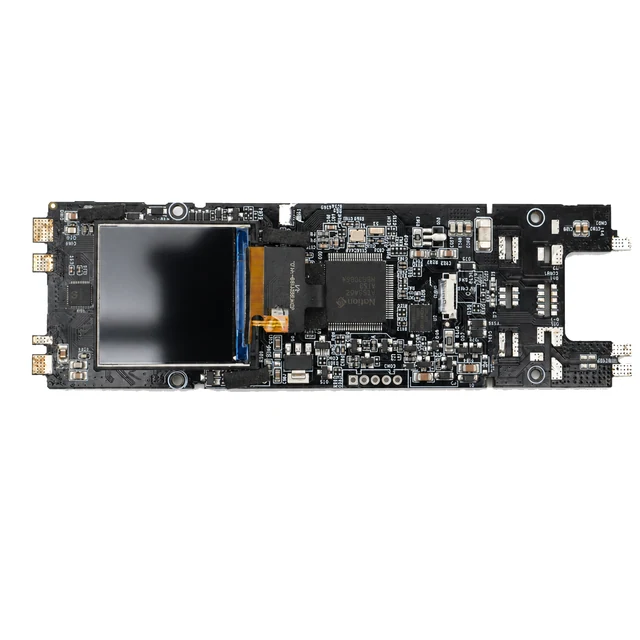
A representative portable-energy architecture for a high-output battery pack with protection, balancing, fuel gauging, multi-port power allocation, display control, and bidirectional fast charging.
Read full referenceA representative high-energy platform integrating battery supervision, solar charging, AC charging and inversion, protected DC outputs, and coordinated thermal management.
Read full reference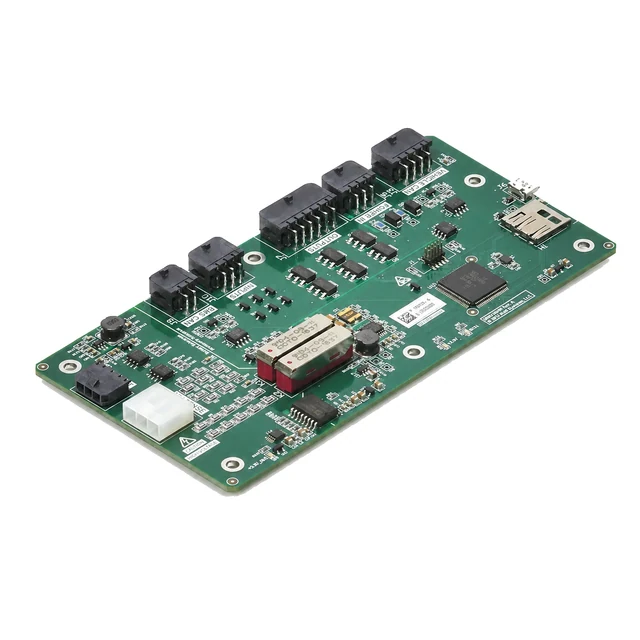
A representative hardware foundation for lifecycle battery records, combining calibrated cell and temperature acquisition with SOC and SOH estimation, diagnostics, CAN communication, and local data logging.
Read full reference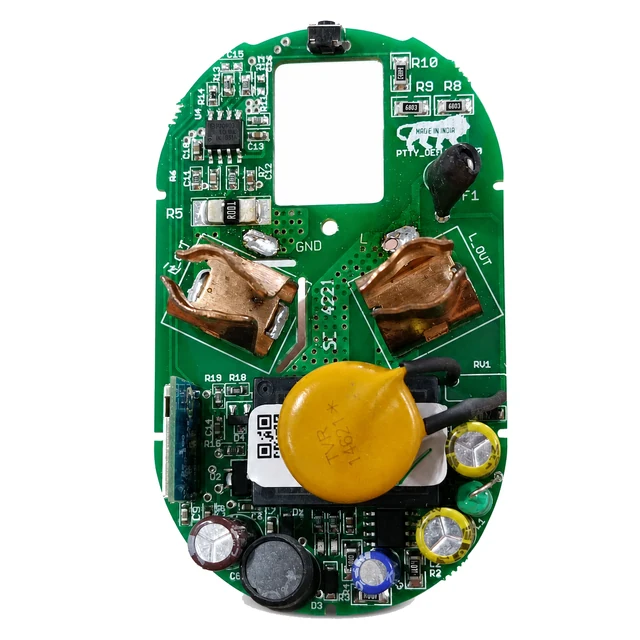
A representative connected outlet architecture for switching high-current appliances, measuring energy use, identifying abnormal operating patterns, and reporting diagnostics to a local or cloud application.
Read full reference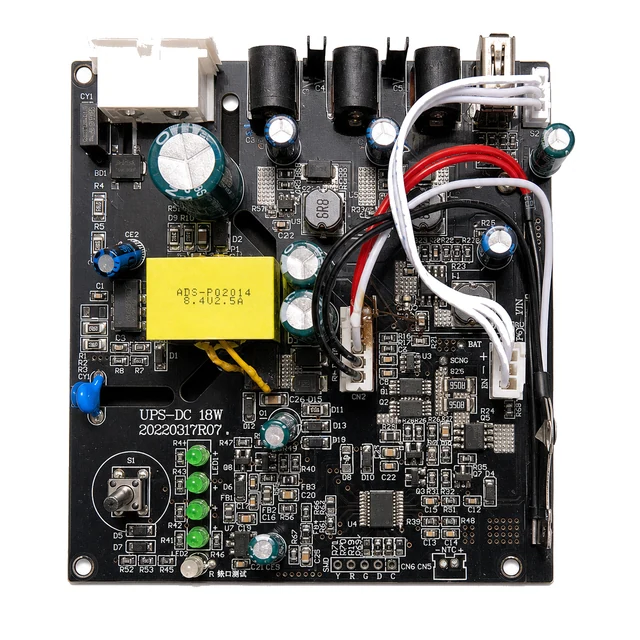
A representative compact backup-power architecture for keeping routers, optical terminals, cameras, or other low-voltage network devices online during mains interruptions.
Read full reference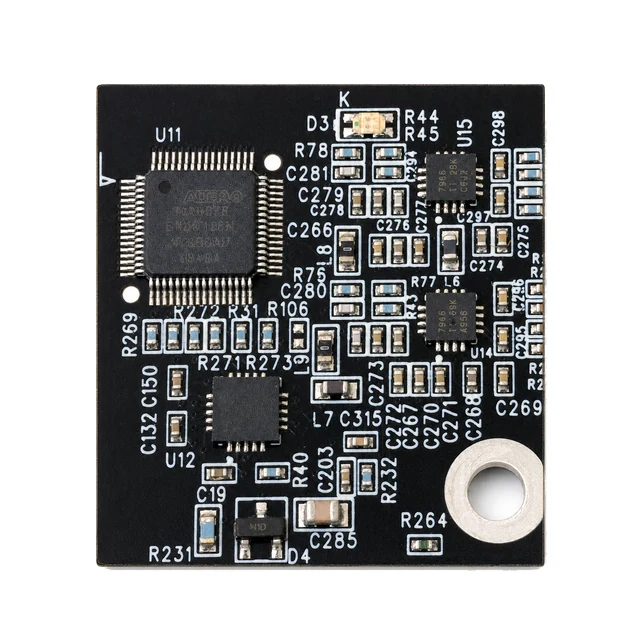
A representative edge-measurement platform for high-rate whole-home energy sampling, appliance signature extraction, local processing, and secure wireless reporting.
Read full referenceApplication architecture matrix
Battery voltage, power direction, isolation, sensing accuracy, connectivity, thermal density, and safe-state behavior determine the topology and verification plan.
Swipe horizontally to compare power paths, sensing, connectivity, and risk columns.
| Application family | Typical power path | Key sensing | Connectivity | Risk to close |
|---|---|---|---|---|
| Battery intelligence | Cell monitors to BMS master and protected pack | Cell voltage, temperature, pack current | CAN, RF, Ethernet, USB, storage | Safety response, SOC/SOH accuracy, trusted records |
| Bidirectional power | Totem-pole PFC, DC link, isolated DAB | Grid, bus and battery voltage/current, temperature | CAN and grid-control interfaces | Isolation, switching loss, grid behavior, EMC |
| Portable energy | Buck-boost, MPPT, inverter and charger stages | Battery, port, bus and thermal state | USB-C PD, display, optional wireless | Power allocation, surge, heat, mode transitions |
| Home energy monitoring | Protected mains sensing, metering, relay or ADC chain | Voltage, current, phase, CT and temperature | Wi-Fi, local storage, cloud telemetry | Mains safety, calibration, privacy, classification |
| Backup power | Charger, battery power path, buck and boost rails | Cell, adapter, rail, load and fault state | Local indicators and DC interfaces | Transfer interruption, ripple, runtime, cell life |
Define electrical ratings, operating modes, fault responses and verification criteria for the intended battery, enclosure and thermal system. Include target-market requirements in the design and test plan.
Confirm sources, loads, voltage and power range, battery chemistry, operating modes, environment, and target markets.
Lock conversion stages, isolation, sensing, protection, thermal paths, control states, diagnostics, and service strategy.
Use engineering samples, calibrated fixtures, fault injection, full-power tests, lifecycle cycles, and environmental checks.
Complete DFM/DFT, approved BOM, calibration, programming, test limits, work instructions, and revision control.
Specify the power-stage, sensing, firmware and protection requirements, then define how each will be tested. Agree the engineering scope, acceptance criteria and manufacturing deliverables before development starts.
Energy-system understanding, topology decomposition, safety and thermal risk identification, verification planning, and the engineering handoff needed for a custom PCBA program.
Reference images and visible brands are used for technical analysis. They do not imply endorsement, affiliation, an existing customer project, verified certification, measured performance, or authorization to reproduce a commercial design. Trademarks belong to their respective owners.
Share the voltage and power range, battery chemistry and topology, energy sources, output interfaces, thermal limits, target market, expected volume, and any existing schematic, mechanical, or compliance files. We will identify the architecture and validation questions to close first.
Compare additional battery-management, power-conversion, DFM, validation, and production-control examples in our PCBA engineering reference library.
PCBA PARTNER is operated by Dongguan Hepin Electronic Technology Co., Ltd.