ENG-06 · Energy & Power
16 A Appliance Health and Energy-Metering Smart Plug PCBA
A representative connected outlet architecture for switching high-current appliances, measuring energy use, identifying abnormal operating patterns, and reporting diagnostics to a local or cloud application.
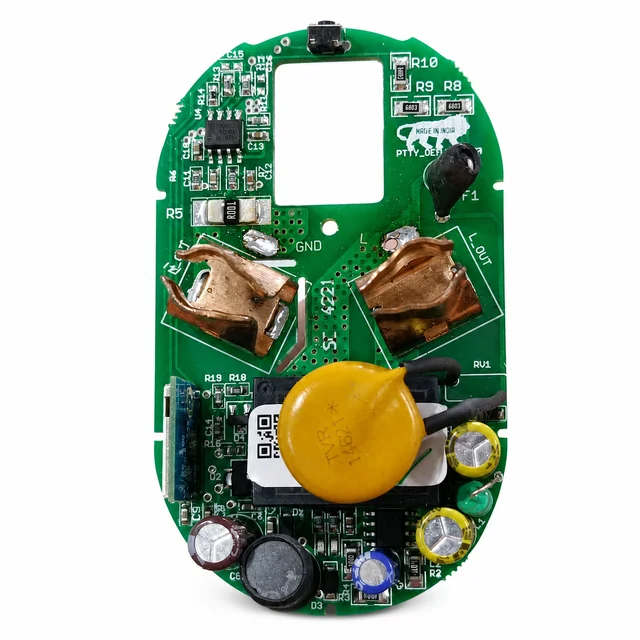
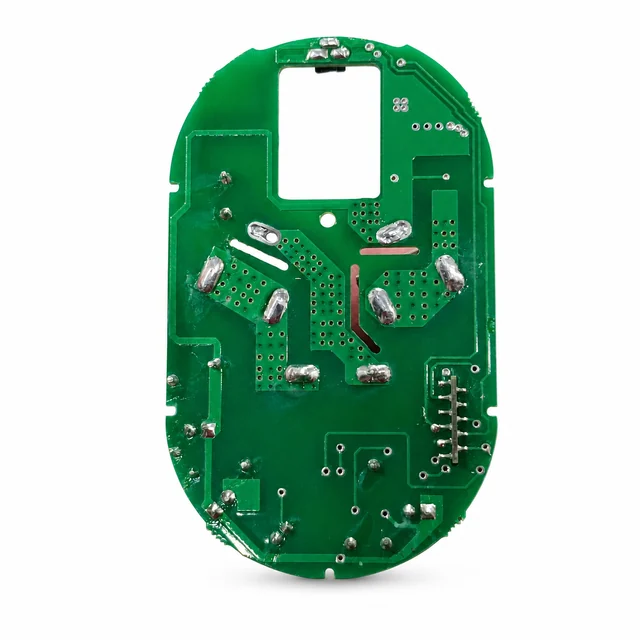
Project context
How this product is typically engineered
A representative connected outlet architecture for switching high-current appliances, measuring energy use, identifying abnormal operating patterns, and reporting diagnostics to a local or cloud application.
System architecture
Typical architecture
Protected AC input and filtering feed a relay-switched load and auxiliary supply, while a metering front end senses voltage and current for an MCU that controls the relay, status indication, and wireless communication.
Engineering risks to resolve
Decisions to close before release
- Maintain creepage, clearance, relay life, and acceptable temperature at sustained high current.
- Preserve measurement accuracy across low power, nonlinear loads, startup inrush, and distorted mains.
- Coordinate surge, ESD, conducted emissions, wireless security, and safe failure behavior in a small enclosure.
Validation plan
Checks to define before production
- Verify dielectric withstand, insulation, leakage, surge, EFT, ESD, and conducted or radiated EMC behavior.
- Calibrate voltage, current, power, energy, and power factor against representative resistive and nonlinear loads.
- Run relay endurance, contact-temperature, inrush, overload, stuck-contact, brownout, and network-loss tests.
What to put in the RFQ
Files and records to agree before quoting
Use this list to agree the build inputs and release records for a similar product. The final set depends on the project.
Design baseline
Released schematic or block diagram, interface table, power states, critical constraints, and revision owner.
Manufacturing release
Gerber or ODB++, stack-up, centroid data, assembly drawings, approved DFM dispositions, and panel assumptions.
Material control
Released BOM revision, manufacturer part numbers, AVL or alternate rules, no-substitute lines, MSL handling, and exception approvals.
Validation record
Test method, acceptance criteria, sample or serial identity, measured result fields, and disposition. Example scope: Verify dielectric withstand, insulation, leakage, surge, EFT, ESD, and conducted or radiated EMC behavior.
Production release
First-article status plus the agreed SPI, AOI, X-ray, ICT, FCT, programming, rework, OQA, labeling, and packing records.
During RFQ review, we confirm the required fields, sampling, limits, approvals, and record-retention period. Confidential project information stays within the agreed access rules.
Development and production controls
Typical manufacturing scope
- AC energy metering and calibration.
- Protected high-current relay control.
- Wireless monitoring and diagnostic logic.
Technical image review
Board-level evidence
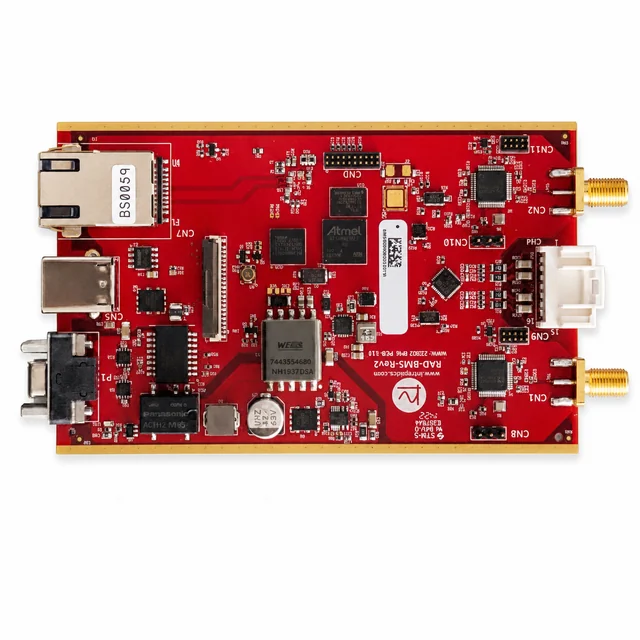
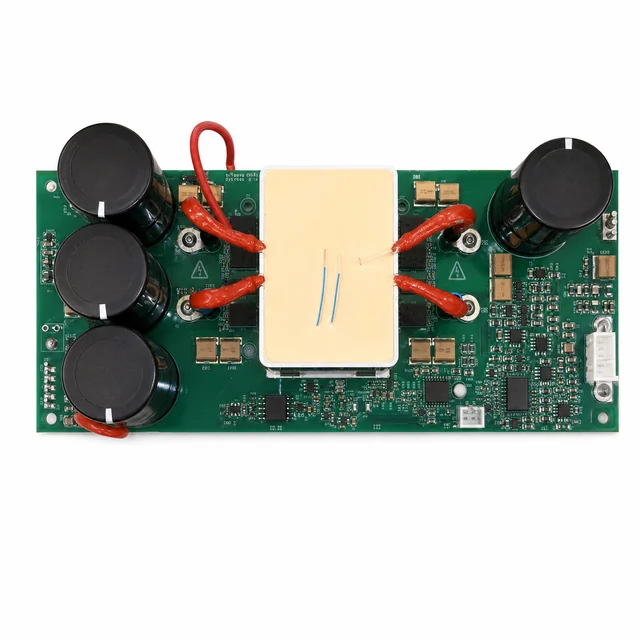
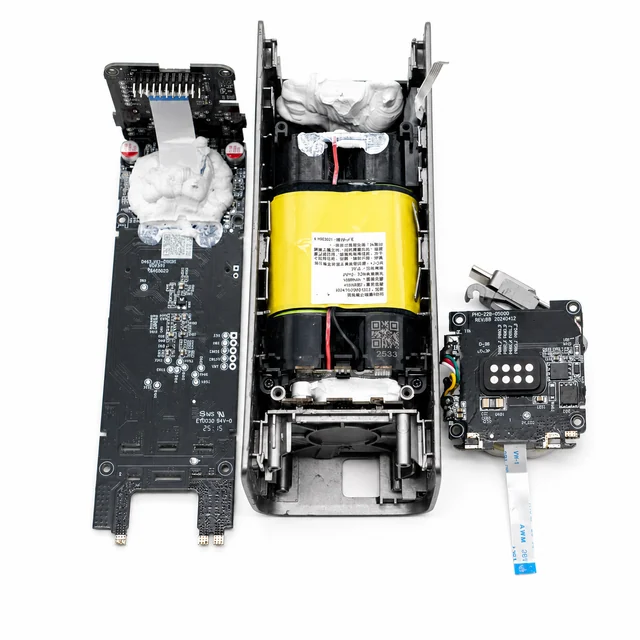
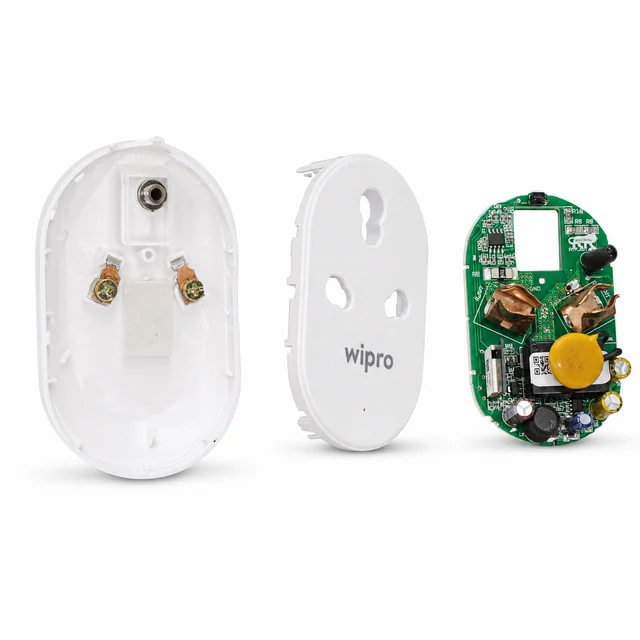
White-background views are published to make component placement, interfaces and assembly boundaries easier to inspect.