WELL-07 · Wellness Electronics
Connected Scalp Massager Control PCBA
A representative wearable scalp-care platform for motorized massage and optional zoned light output, with wireless control, thermal supervision, contact interlocks, and rechargeable operation.
Project context
A representative engineering program
A representative wearable scalp-care platform for motorized massage and optional zoned light output, with wireless control, thermal supervision, contact interlocks, and rechargeable operation.
System architecture
How the electronics are organized
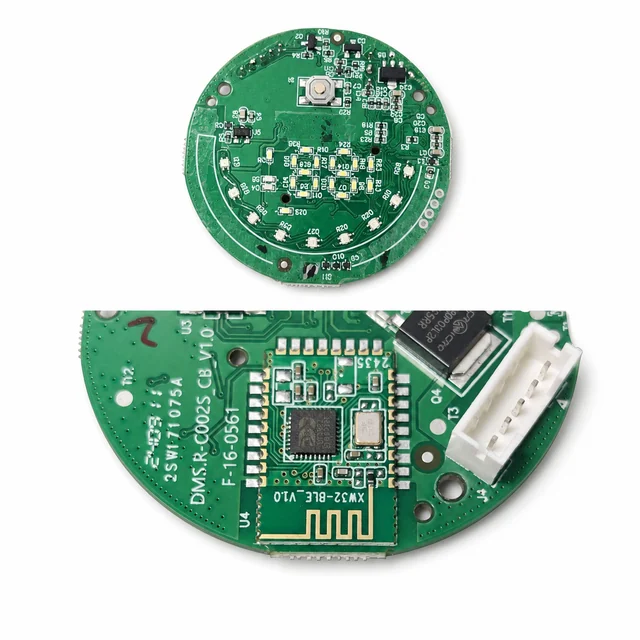
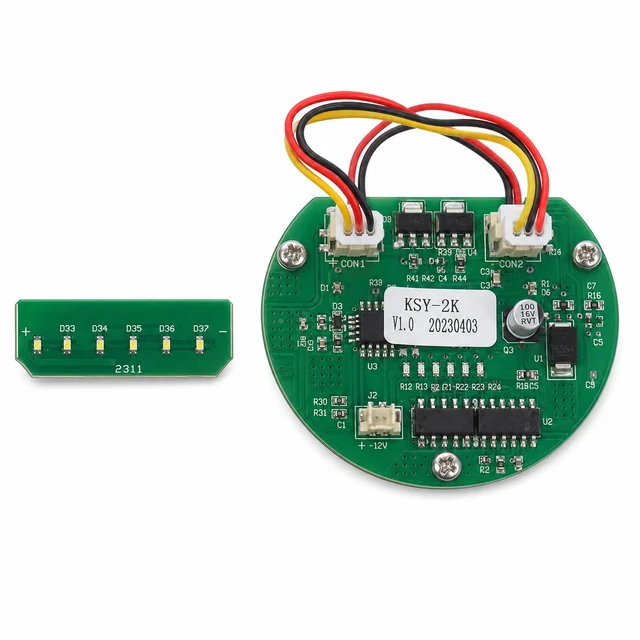
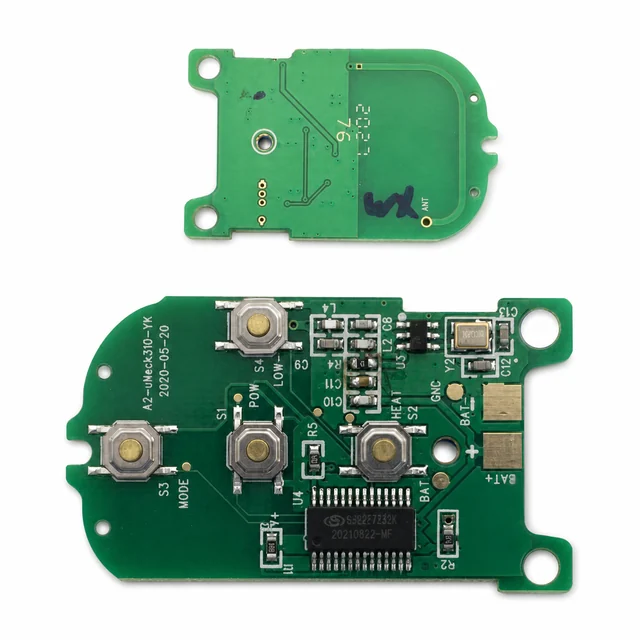
An MCU and antenna region coordinate motor drivers and, where the product SKU includes light sources, calibrated constant-current zones; temperature, current, and contact or shielding inputs gate the session.
Engineering risks to close
What must be resolved before release
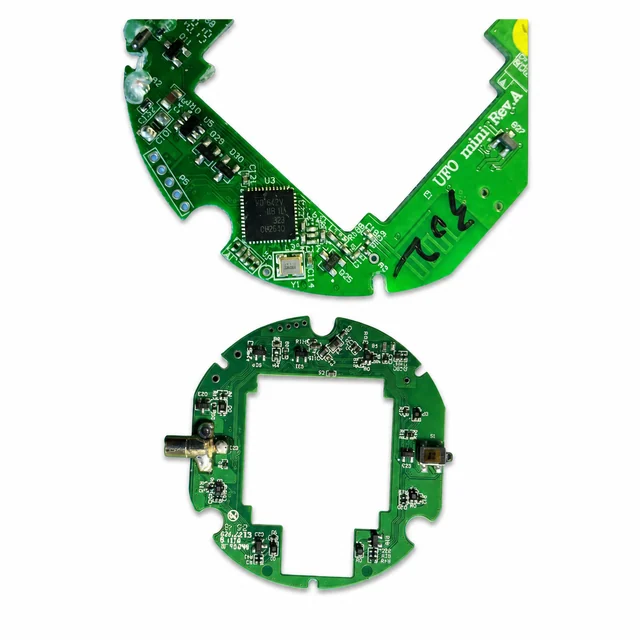
- Protect a large open-ring board and its interconnects from bending and drop stress.
- Control motor noise, hair-entanglement risk, and real-wear wireless attenuation.
- If light output is fitted, maintain zone uniformity, dose limits, and contact interlocks.
Validation plan
Evidence expected before production
- Run mechanical stall, hair-interaction, vibration, cleaning, sweat, and enclosure-flex tests.
- Measure radio performance with the device worn and the motor active.
- For light-enabled SKUs, calibrate each zone and verify optical output, temperature, timing, and interlock faults.
Decision-ready evidence packet
What a comparable RFQ should define
This checklist turns the technical story into reviewable inputs and release records. It describes what buyers and manufacturers should agree—not a claim that every listed record applies to every build.
Design baseline
Released schematic or block diagram, interface table, power states, critical constraints, and revision owner.
Manufacturing release
Gerber or ODB++, stack-up, centroid data, assembly drawings, approved DFM dispositions, and panel assumptions.
Material control
Released BOM revision, manufacturer part numbers, AVL or alternate rules, no-substitute lines, MSL handling, and exception approvals.
Validation record
Test method, acceptance criteria, sample or serial identity, measured result fields, and disposition. Example scope: Run mechanical stall, hair-interaction, vibration, cleaning, sweat, and enclosure-flex tests.
Production release
First-article status plus the agreed SPI, AOI, X-ray, ICT, FCT, programming, rework, OQA, labeling, and packing records.
Project-specific fields, retention periods, sampling rules, measured limits, and customer approvals are confirmed during RFQ and protected under the applicable confidentiality agreement.
Development and production controls
Manufacturing scope represented here
- Wearable motor-control integration.
- Optional zoned constant-current outputs.
- Wireless session and safety-state management.
Technical image review
Board-level evidence
White-background views are published to make component placement, interfaces and assembly boundaries easier to inspect.