WELL-14 · Wellness Electronics
EMS Heated Waist Massager Control PCBA
A representative wearable waist platform combining controlled electrical stimulation, broad-area heating, contact sensing, dual-cell energy management, local controls, and BLE sessions.
Project context
A representative engineering program
A representative wearable waist platform combining controlled electrical stimulation, broad-area heating, contact sensing, dual-cell energy management, local controls, and BLE sessions.
System architecture
How the electronics are organized
USB input and protected cells feed logic, a heater switch, and a limited stimulation boost and polarity stage; an MCU or BLE controller supervises pulse tables, electrode impedance, NTC feedback, battery state, and UI commands.
Engineering risks to close
What must be resolved before release
- Keep stimulation monotonic and balanced across large changes in electrode contact.
- Manage broad-area heat uniformity and sensor detachment in a flexing wearable.
- Verify two-cell connection, balancing, and charge-use behavior without unsafe output coupling.
Validation plan
Evidence expected before production
- Automate full-level waveform, charge-balance, open, short, partial-contact, and release testing on equivalent loads.
- Map waist-side temperature and inject NTC, heater-switch, battery, communication, and charging faults.
- Run flex, sweat, electrode, harness, BLE, charge-discharge, and combined heat-stimulation endurance.
Decision-ready evidence packet
What a comparable RFQ should define
This checklist turns the technical story into reviewable inputs and release records. It describes what buyers and manufacturers should agree—not a claim that every listed record applies to every build.
Design baseline
Released schematic or block diagram, interface table, power states, critical constraints, and revision owner.
Manufacturing release
Gerber or ODB++, stack-up, centroid data, assembly drawings, approved DFM dispositions, and panel assumptions.
Material control
Released BOM revision, manufacturer part numbers, AVL or alternate rules, no-substitute lines, MSL handling, and exception approvals.
Validation record
Test method, acceptance criteria, sample or serial identity, measured result fields, and disposition. Example scope: Automate full-level waveform, charge-balance, open, short, partial-contact, and release testing on equivalent loads.
Production release
First-article status plus the agreed SPI, AOI, X-ray, ICT, FCT, programming, rework, OQA, labeling, and packing records.
Project-specific fields, retention periods, sampling rules, measured limits, and customer approvals are confirmed during RFQ and protected under the applicable confidentiality agreement.
Development and production controls
Manufacturing scope represented here
- Contact-aware EMS waveform control.
- Broad-area heating and NTC supervision.
- BLE, battery, and session integration.
Technical image review
Board-level evidence
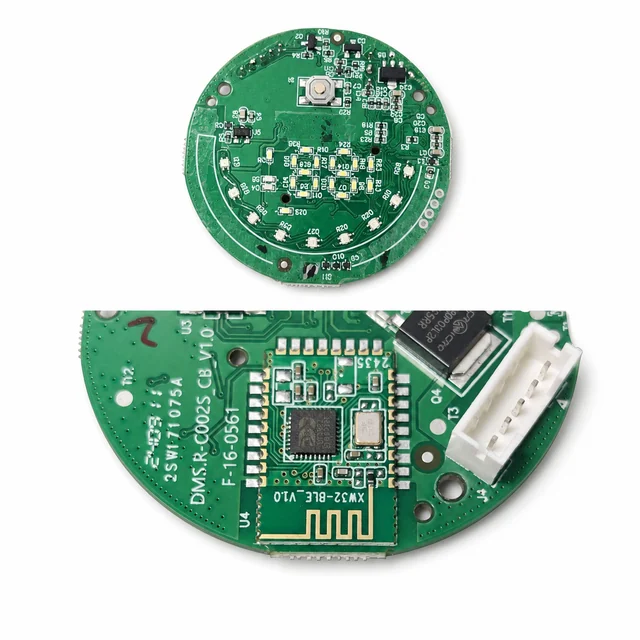
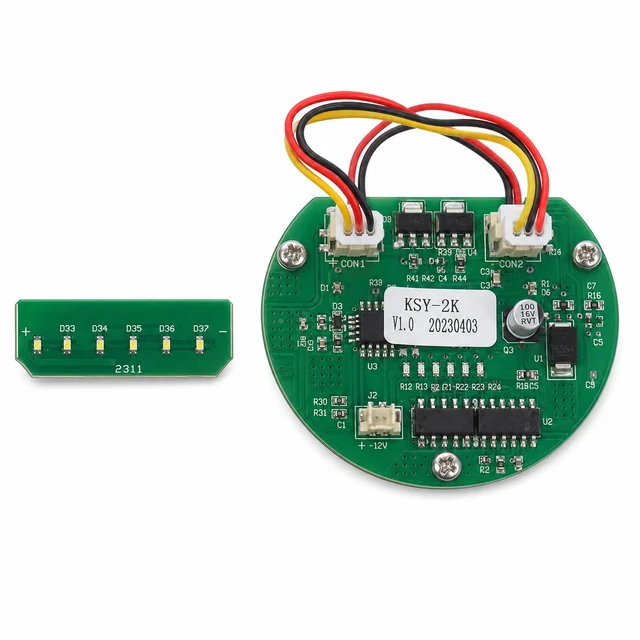
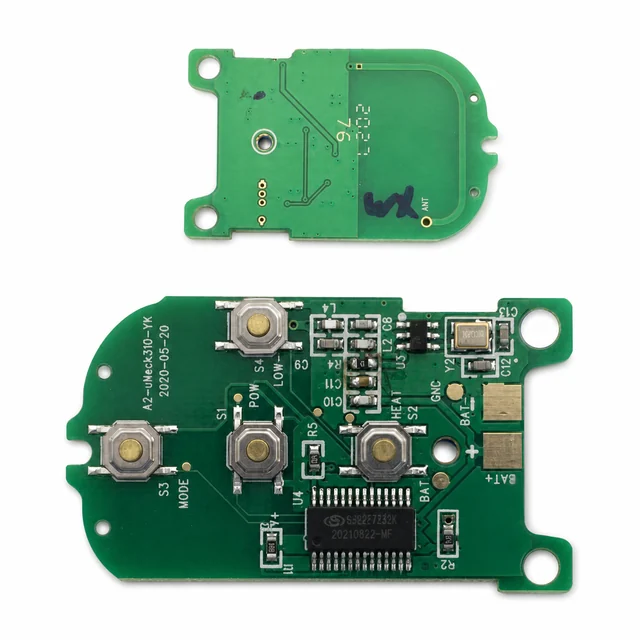
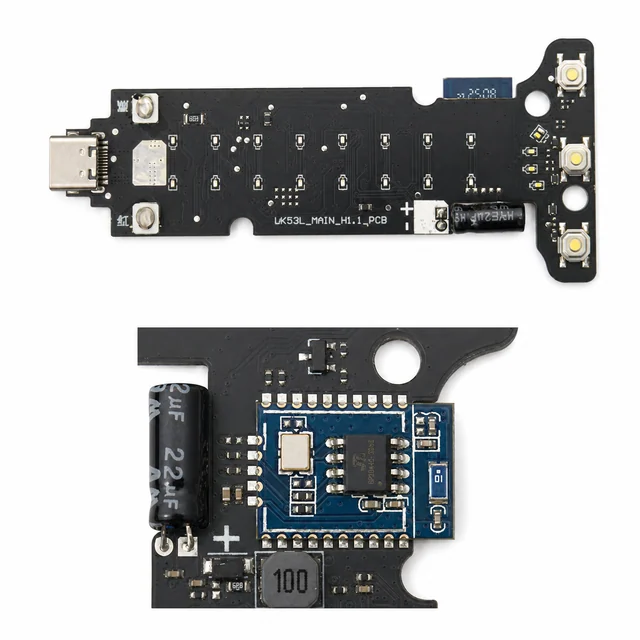
White-background views are published to make component placement, interfaces and assembly boundaries easier to inspect.