Home / Industries / Sensor PCBA Development & Manufacturing

Repeatable electronics for measurement, acquisition, and calibrated sensing

Sensor PCBA Development & Manufacturing

We structure sensor and measurement builds around signal integrity, controlled materials, calibration inputs, environmental interfaces, and repeatable functional evidence.
Environmental and industrial sensingAnalog and mixed-signal acquisitionCalibration and reference planningCleanliness and protection controls
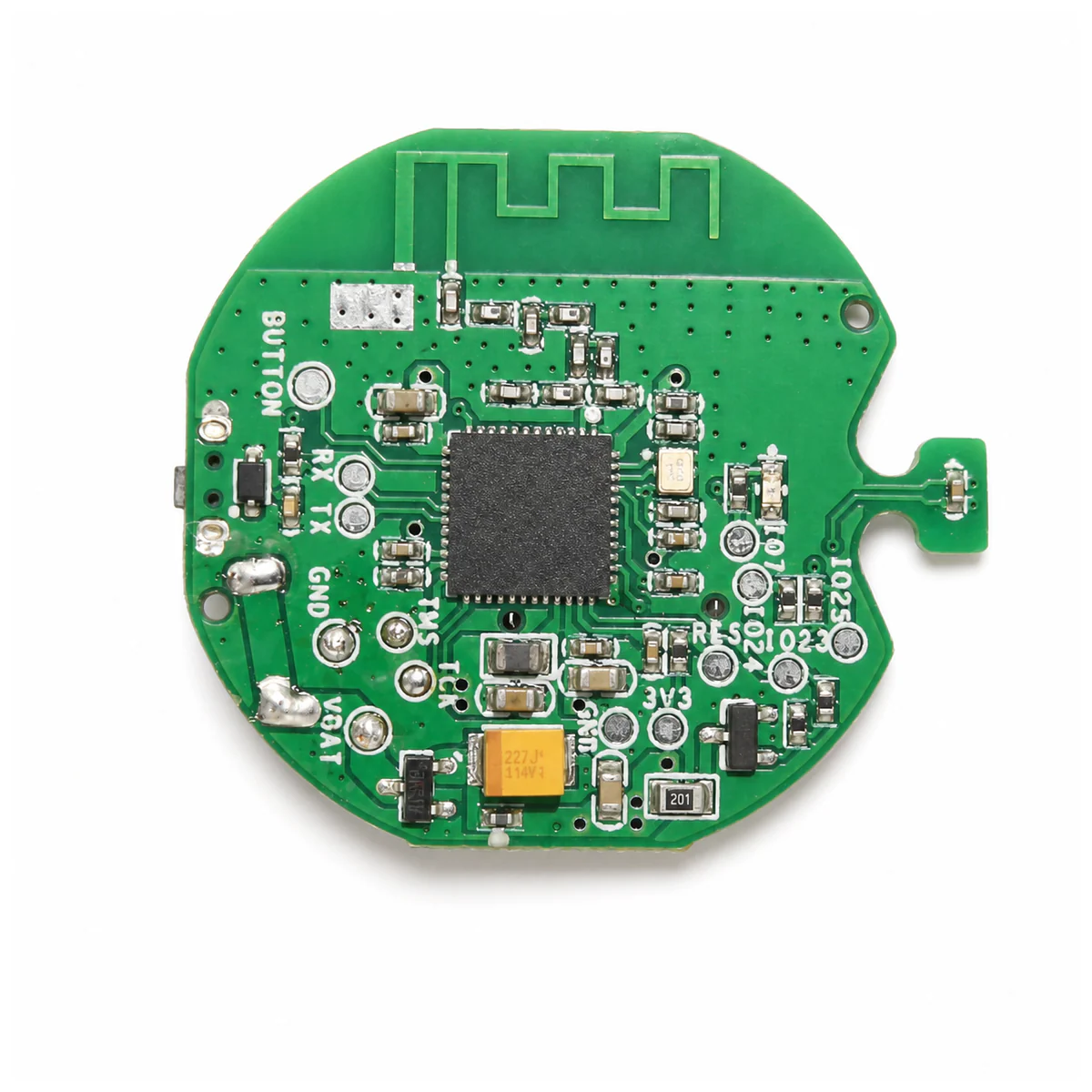
Compact wireless environmental sensor controller PCBA
Application contextSensor PCBA Development & Manufacturing

Representative engineering and manufacturing context; not a public customer claim or performance guarantee.

Release inputHardware, BOM, firmware, test, and variant rules.
Manufacturing focusCritical process controls tied to the product risk.
Evidence outputInspection, programming, test, and traceability records.
Next decisionShare files, pilot quantity, forecast, and acceptance criteria.

Protect the measurement path

Analog inputs, references, grounding, leakage-sensitive nodes, and sensor interfaces receive targeted process controls.

Make calibration repeatable

Reference equipment, limits, firmware, fixtures, stabilization time, and recorded outputs are defined before production.

Control the environment interface

Openings, membranes, airflow, pressure ports, potting, coating keep-outs, and enclosure stress are reviewed together.

Applications that fit this vertical PCBA service

The right manufacturing plan depends on the product architecture, field environment, service life, target regions, and evidence expected by the buyer.

Environmental sensor nodes

Temperature, humidity, air-quality, gas, light, or multi-sensor connected devices.

Industrial measurement modules

Pressure, vibration, current, voltage, position, flow, load, or equipment-condition acquisition.

Motion and wearable sensing

IMU, proximity, touch, optical, and low-power sensor products with tight mechanical integration.

Data-acquisition boards

Mixed-signal filtering, ADC, reference, isolation, and communication functions for test or monitoring systems.

Engineering and manufacturing controls to freeze before pilot release

These controls convert a general assembly request into a reviewable release package for engineering, purchasing, quality, and production.

Analog-front-end discipline

Identify tolerance-critical parts, reference sources, guard or high-impedance areas, filters, shielding, grounding, and noise-sensitive routing.

Cleanliness and residues

Define cleaning compatibility, no-clean acceptance, ionic or visual evidence when required, handling, and contamination-sensitive areas.

Calibration ownership

State whether calibration is board-level or product-level and define reference equipment, stabilization, firmware, limits, data format, and approval owner.

Mechanical and environmental interface

Control sensor exposure, port alignment, membrane or gasket compression, coating keep-outs, enclosure load, and protection materials.

Certification, regulatory approval, field performance, calibration authority, and final product compliance remain tied to the buyer-approved design, target market, test method, and named responsibility.

Illustrative short case — not a customer claim

A compact environmental node measures temperature, humidity, and air quality. The prototype passes bench checks, but the manufacturing package does not define sensor stabilization time, conformal-coating keep-outs, calibration firmware, or enclosure airflow. Before the pilot, the team marks protected sensor areas, approves the cleaning process, freezes the calibration image and reference method, records acceptance limits, and checks the assembled enclosure rather than the bare board alone.

Buyer lesson: freeze the product-specific decision inputs and acceptance evidence before the first article; do not rely on a generic “power-on test” or assembly note.

What to include in the RFQ package

Clear files reduce quotation assumptions and make engineering, tooling, programming, inspection, test, and recurring-production costs easier to separate.

Required engineering inputs

  • Released PCB data, BOM, centroid, assembly drawing, schematics or marked measurement paths where available
  • Sensor part numbers, approved sources, tolerance-critical passives, references, and alternates policy
  • Expected measurement range, accuracy target, operating environment, warm-up and stabilization assumptions
  • Calibration or functional test procedure, reference equipment, fixture, limits, and data-record requirements
  • Cleaning, coating, potting, membrane, pressure port, airflow, enclosure, and keep-out requirements
  • Firmware, product variants, pilot quantity, forecast, labels, packaging, and receiving criteria

Commercial and approval decisions

  • Separate prototype, NPI, tooling, fixture, programming, test, special process, packaging, and recurring unit costs.
  • Identify buyer-supplied, consigned, supplier-sourced, and approved-alternate materials.
  • Name the owner for deviations, substitutions, firmware, labels, test limits, and shipment release.
  • Define first-article quantity, evidence package, approval gate, and repeat-order change controls.
  • State open certification, regulatory, environmental, or commercial requirements instead of assuming them.

Start with the Engineering Resource Library + Project Cases + Templates or submit a controlled package through the RFQ workspace.

How the project moves from RFQ to repeat production

1

Release review

Confirm files, revisions, variants, lifecycle, environment, compliance ownership, and open assumptions.

2

Manufacturing plan

Map DFM, sourcing, programming, fixtures, inspection, test, special processes, labels, and packaging.

3

Pilot and evidence

Build the approved quantity, record deviations, verify acceptance evidence, and close first-article actions.

4

Controlled repeat

Retain approved materials, programs, limits, records, and change decisions for later lots and service demand.

Risks to close before volume or field release

Common release gaps

  • Tolerance-critical analog components replaced without performance review
  • Flux, cleaning residue, coating, adhesive, or fingerprints affect the sensing area
  • Calibration limits exist but reference equipment and firmware are not frozen
  • Bare-board test passes while enclosure airflow or mechanical stress shifts the result
  • Sensor opening, membrane, gasket, or pressure port is misaligned
  • Measurement data is recorded without unit, channel, serial, firmware, or revision identity

Sensor PCBA Development & Manufacturing FAQ

  • Can calibration be included in sensor PCBA production?
    Yes, when the reference method, equipment, fixture, firmware, stabilization time, limits, data format, and approval responsibility are supplied and validated.
  • How are coating keep-outs handled around sensors?
    The released drawing should identify sensor openings, contacts, optical areas, pressure ports, microphones, antennas, connectors, test points, and other keep-out zones.
  • What files help quote a mixed-signal sensor board?
    Include PCB data, BOM, centroid, assembly drawings, schematics or marked critical paths, measurement range, accuracy goal, test or calibration method, environment, and forecast.
  • Should sensor acceptance be board-level or product-level?
    That depends on how enclosure, airflow, pressure path, optics, mechanical load, firmware, and final assembly affect the measurement. State both stages when final-product factors matter.

Prepare a decision-ready Sensor PCBA RFQ

Send the released files, product variants, pilot quantity, forecast, operating environment, open requirements, and acceptance plan. We will identify the information needed for a manufacturing review and quotation.

PCBA PARTNER is operated by Dongguan Hepin Electronic Technology Co., Ltd.