ENG-05 · Energy & Power
Battery Health Passport and SOH Data PCBA
A representative hardware foundation for lifecycle battery records, combining calibrated cell and temperature acquisition with SOC and SOH estimation, diagnostics, CAN communication, and local data logging.
Project context
A representative engineering program
A representative hardware foundation for lifecycle battery records, combining calibrated cell and temperature acquisition with SOC and SOH estimation, diagnostics, CAN communication, and local data logging.
System architecture
How the electronics are organized
Cell and temperature acquisition boards report over CAN to a BMS master that calculates battery state, records events to local storage, and exposes trusted data to a vehicle, gateway, or lifecycle-record service.
Engineering risks to close
What must be resolved before release
- Preserve measurement calibration and health-model accuracy over chemistry, aging, temperature, and replacement events.
- Maintain timestamps, identity, traceability, and data integrity through power loss and service operations.
- Reject common-mode noise and communication faults while monitoring distributed high-energy cells.
Validation plan
Evidence expected before production
- Calibrate voltage and temperature channels and verify cross-channel accuracy over the specified environment.
- Correlate SOC and SOH outputs with controlled charge, discharge, pulse, and aging profiles.
- Exercise CAN faults, storage limits, corrupted records, power interruption, sensor opens, and out-of-range conditions.
Decision-ready evidence packet
What a comparable RFQ should define
This checklist turns the technical story into reviewable inputs and release records. It describes what buyers and manufacturers should agree—not a claim that every listed record applies to every build.
Design baseline
Released schematic or block diagram, interface table, power states, critical constraints, and revision owner.
Manufacturing release
Gerber or ODB++, stack-up, centroid data, assembly drawings, approved DFM dispositions, and panel assumptions.
Material control
Released BOM revision, manufacturer part numbers, AVL or alternate rules, no-substitute lines, MSL handling, and exception approvals.
Validation record
Test method, acceptance criteria, sample or serial identity, measured result fields, and disposition. Example scope: Calibrate voltage and temperature channels and verify cross-channel accuracy over the specified environment.
Production release
First-article status plus the agreed SPI, AOI, X-ray, ICT, FCT, programming, rework, OQA, labeling, and packing records.
Project-specific fields, retention periods, sampling rules, measured limits, and customer approvals are confirmed during RFQ and protected under the applicable confidentiality agreement.
Development and production controls
Manufacturing scope represented here
- Multi-cell and temperature acquisition.
- SOC, SOH, and diagnostic processing.
- CAN communication and local logging.
Technical image review
Board-level evidence
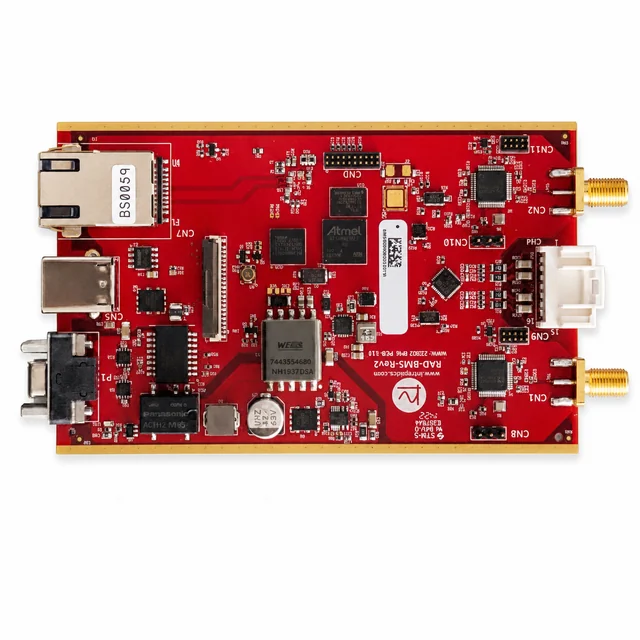
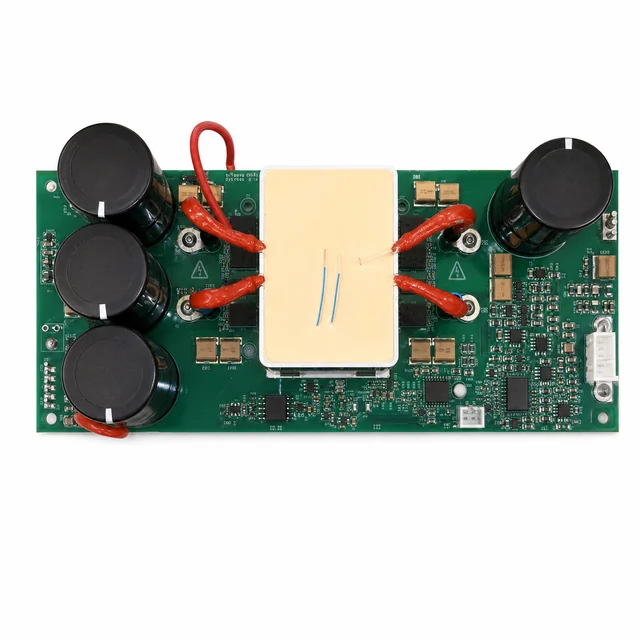
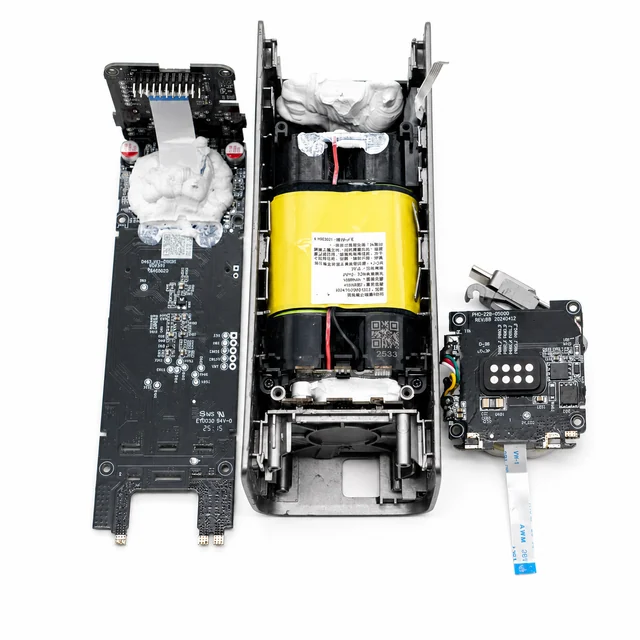
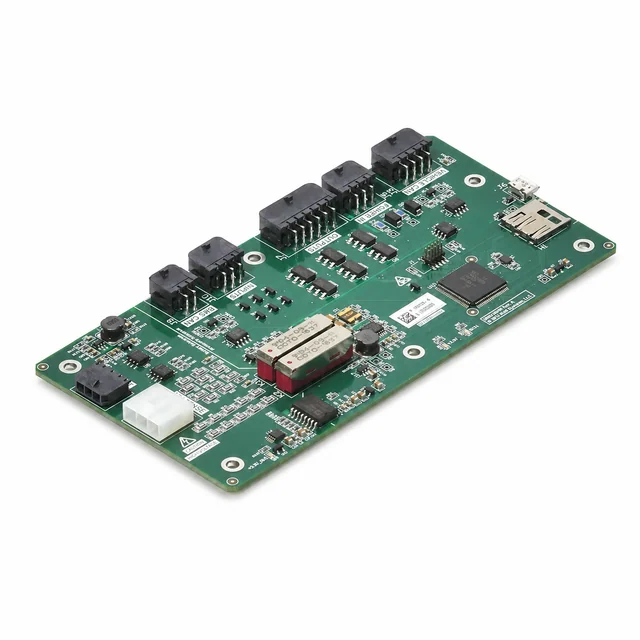
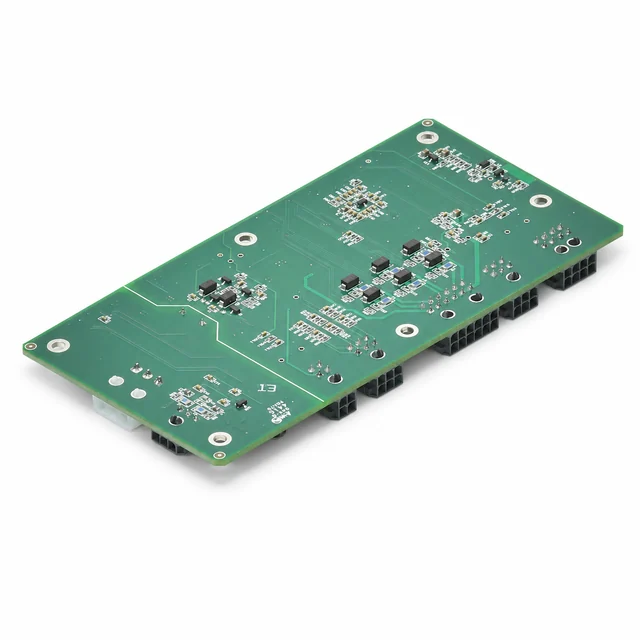
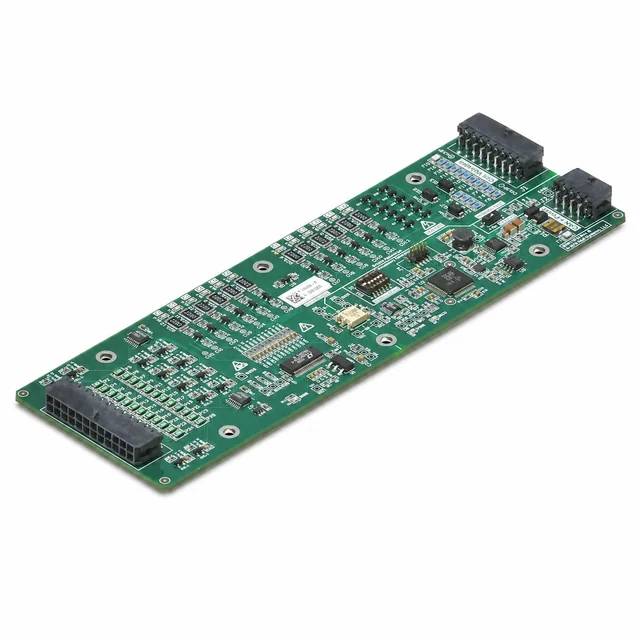
White-background views are published to make component placement, interfaces and assembly boundaries easier to inspect.