Variant controlMap hardware, firmware, labels, and BOM options before production release.
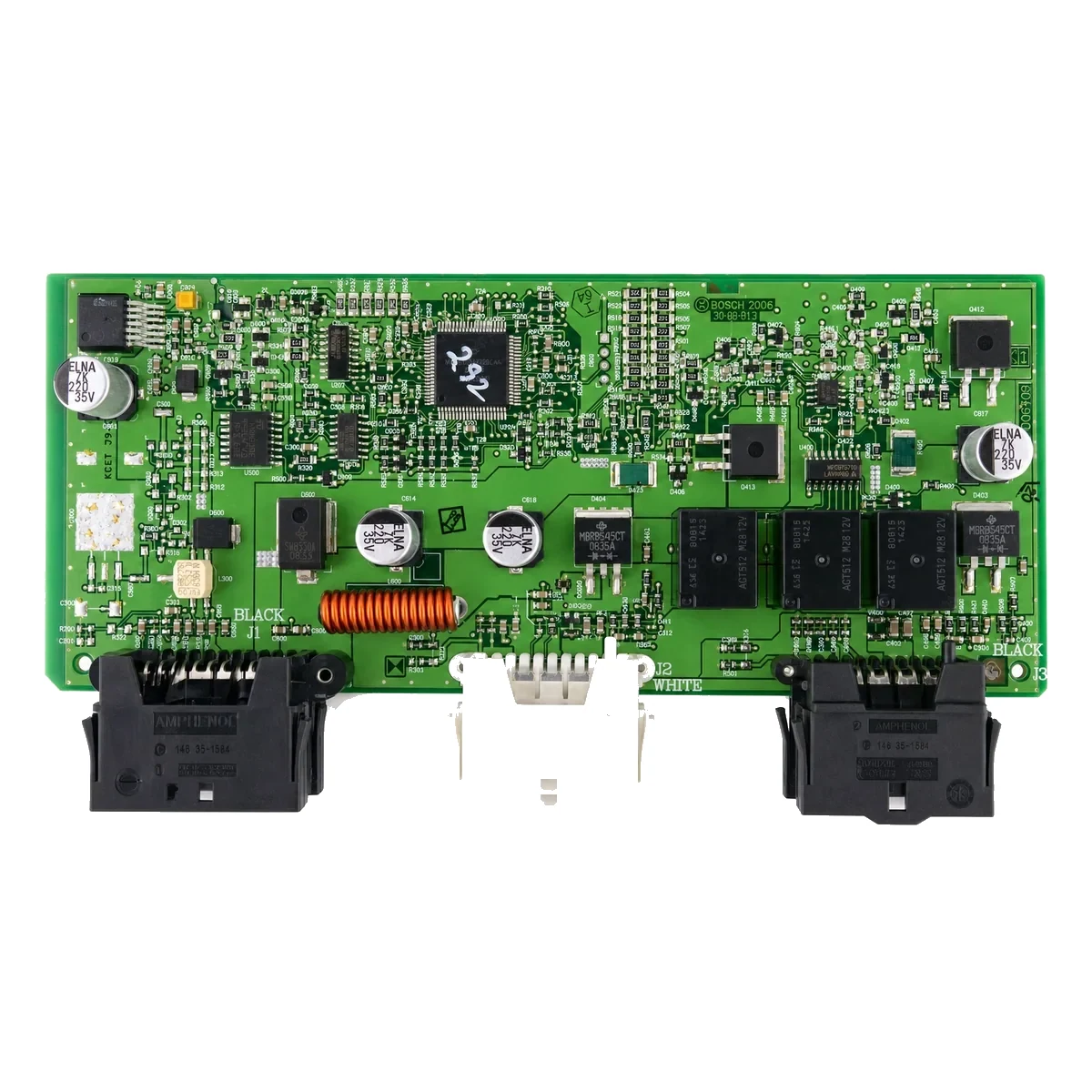
Change evidenceKeep ECO, test, material, and release notes comparable across lots.
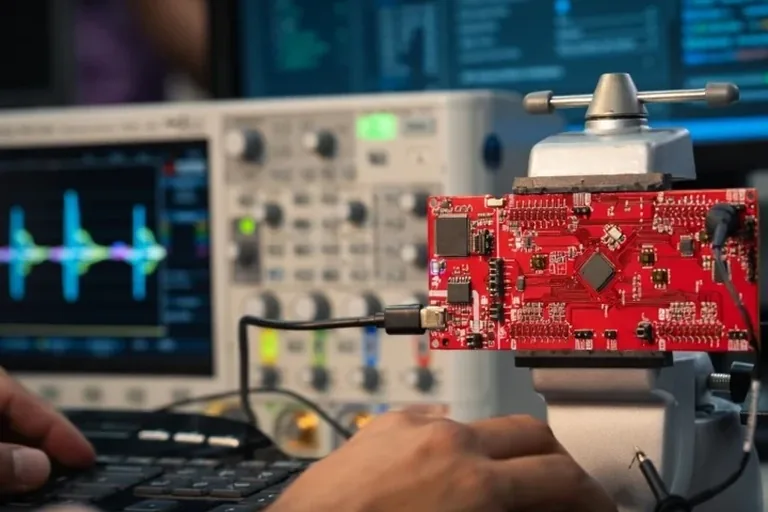
Next decisionShare forecast, variant table, and quality evidence needs.
Lifecycle-aware sourcing
Forecast, component grade, alternates, and end-of-life risk are reviewed before material decisions are locked.
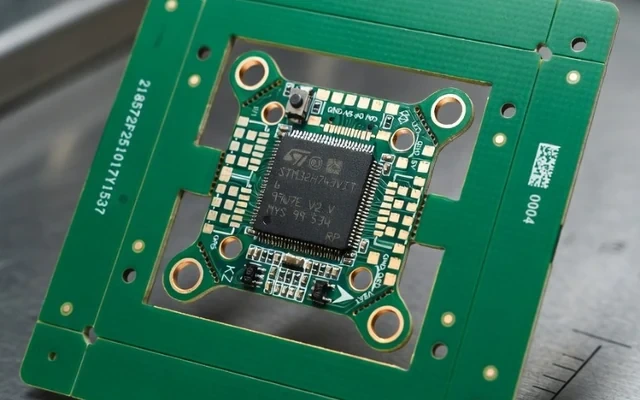
Variant control
Hardware revision, firmware version, BOM option, and label rules can be mapped for platform programs.
Release evidence
Inspection, test, material, and change records are prepared for buyer review and internal approval.
Automotive-related programs we support
This service is for vehicle electronics buyers who need a disciplined PCBA factory without vague overclaims.
EV and BMS modules
Control, communication, sensor, and power-related boards requiring BOM and test consistency.
Lighting and accessory electronics
High-mix vehicle accessory programs with label, firmware, and variant requirements.
Industrial vehicle controls
Long-life control boards where replacement parts and revisions must stay traceable.
Pilot and service builds
Engineering validation, service spares, and bridge production before full manufacturing maturity.
Automotive-related PCBA scope for long-life programs
Vehicle-related electronics need continuity and change discipline so future lots stay comparable.
Capability range
Control, sensor, communication, and power-related PCBAs
Accessory, service spare, and bridge production lots
Firmware, label, and hardware variant mapping
Coating, cleaning, and packaging expectations when required
Testing and controls
Lifecycle and alternate-part review
Revision, ECO, and substitute approval control
AOI, x-ray path, programming, ICT, or FCT as needed
Lot evidence for buyer quality review
Buyer deliverables
BOM lifecycle risk comments
Variant and revision release notes
Inspection and test records
Change and substitute decision evidence
Vehicle electronics contextAutomotive programs require stable revisions, material continuity, and evidence tied to the intended subsystem.Functional release evidenceTest method, firmware version, acceptance result, and lot identity should remain connected.
What to share for an accurate RFQ
Complete files help us return a cleaner quotation with fewer assumptions and fewer hidden changes later.
Files and project details
Gerber or ODB++ package with controlled revision
BOM with automotive-grade requirements, AEC notes, and approved alternates if applicable
Centroid, assembly drawing, coating, and mechanical constraints
Firmware, variant matrix, and label rules
Test plan, acceptance criteria, and required release evidence
Forecast, lifecycle expectation, and service spare requirements
Decisions to confirm early
Confirm automotive-grade or AEC component requirements line by line
Define PPAP-like evidence expectations if your process requires them
Agree firmware and hardware variant mapping
Confirm conformal coating, thermal, vibration, or environmental expectations
Define change approval authority for BOM, process, and firmware updates
How the manufacturing workflow runs
The workflow is built to reduce uncertainty before production release and keep useful records for repeat orders.
1
Program intake
We review lifecycle, forecast, critical parts, variants, and documentation expectations.
2
Sourcing and DFM review
BOM risk, alternates, package, thermal, and manufacturability issues are clarified before quote lock.
3
Controlled production
Assembly, inspection, test, firmware, and coating steps follow approved revision and variant rules.
4
Release packet
Material, inspection, test, and change evidence is organized for buyer or supplier quality review.
Automotive PCBA controls that matter most
The first lot is only the baseline. Later lots need controlled part, firmware, and variant changes to remain equivalent.
Change approval discipline
ECO, BOM, firmware, and process updates are separated from normal production activity.
Component lifecycle tracking
Obsolescence, alternates, and long-lead items are treated as program risks, not one-time purchasing tasks.
Test and variant evidence
Test results and firmware/label variants can be tied to lot and revision records.
Environmental process notes
Coating, cleaning, thermal, and packaging expectations are documented when required.
Automotive PCBA evidence for lifecycle approval
Automotive-related electronics need continuity. We focus on component lifecycle, variant mapping, and change evidence so future lots stay comparable.
Practical deliverables
Automotive-grade or AEC requirement review by BOM line
Variant matrix for hardware, firmware, label, and BOM options
Lifecycle and alternate part risk comments
Inspection, test, coating, and release evidence if required
Change-control notes for BOM, process, and firmware updates
We avoid blanket certification claims. Share your exact automotive quality requirements and we will confirm the applicable manufacturing and documentation scope.
FAQ
Can you support automotive-grade components? Yes, when automotive-grade or AEC requirements are specified in the BOM and confirmed through sourcing channels.
Can you provide PPAP-like evidence? We can support agreed evidence packets when the required format and scope are defined during RFQ.
Can firmware variants be controlled? Yes. Firmware version, label, BOM option, and hardware revision can be mapped for production release.
Do you support conformal coating? Coating can be planned when product environment, keep-out zones, inspection criteria, and process expectations are provided.
Can this service support long-life spare parts? Yes. Lifecycle review and repeat-build records help support service and replacement demand.
Start an automotive PCBA review
Send files, forecast, automotive component requirements, firmware variants, and quality evidence expectations. We will confirm the build and documentation path.