HOME-01 · Connected Home
Multi-Protocol Smart Home Gateway PCBA
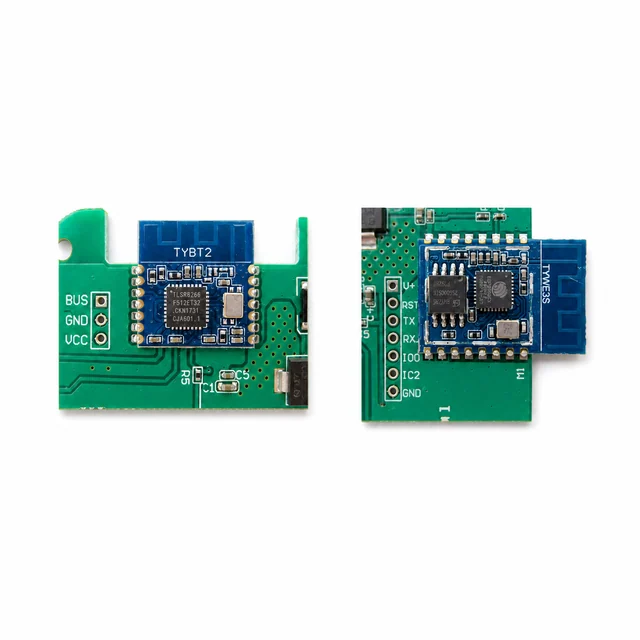
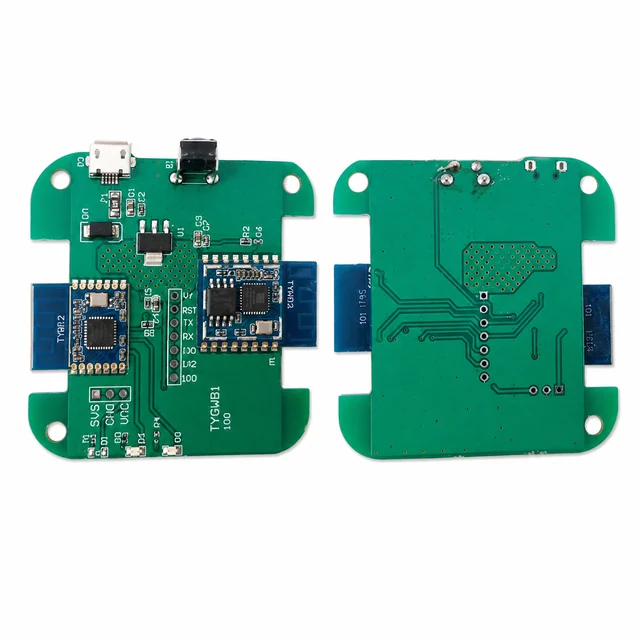
An FCC-photo reference showing a compact gateway mainboard with TYBT2 and TYWE3S radio modules, separate printed antennas, and accessible programming pads.
Project context
A representative engineering program
An FCC-photo reference showing a compact gateway mainboard with TYBT2 and TYWE3S radio modules, separate printed antennas, and accessible programming pads.
System architecture
How the electronics are organized
A typical implementation accepts 5 V USB power, regulates a shared low-voltage rail, uses Wi-Fi for LAN or cloud uplink, and exchanges local-device traffic through a second radio module over a board-level serial or GPIO link.
Engineering risks to close
What must be resolved before release
- Maintain dual-radio coexistence and antenna efficiency inside a compact plastic enclosure.
- Preserve local control and deterministic recovery when either radio or the upstream network fails.
- Protect device identity, credentials, debug access, and field-update integrity over the product lifetime.
Validation plan
Evidence expected before production
- Measure 5 V input behavior, standby current, brownout recovery, and USB-port ESD immunity.
- Exercise Wi-Fi congestion, BLE multi-node traffic, router replacement, and long-duration online stability.
- Verify secure provisioning, credential erase, signed-update interruption, rollback, and production debug locking.
Decision-ready evidence packet
What a comparable RFQ should define
This checklist turns the technical story into reviewable inputs and release records. It describes what buyers and manufacturers should agree—not a claim that every listed record applies to every build.
Design baseline
Released schematic or block diagram, interface table, power states, critical constraints, and revision owner.
Manufacturing release
Gerber or ODB++, stack-up, centroid data, assembly drawings, approved DFM dispositions, and panel assumptions.
Material control
Released BOM revision, manufacturer part numbers, AVL or alternate rules, no-substitute lines, MSL handling, and exception approvals.
Validation record
Test method, acceptance criteria, sample or serial identity, measured result fields, and disposition. Example scope: Measure 5 V input behavior, standby current, brownout recovery, and USB-port ESD immunity.
Production release
First-article status plus the agreed SPI, AOI, X-ray, ICT, FCT, programming, rework, OQA, labeling, and packing records.
Project-specific fields, retention periods, sampling rules, measured limits, and customer approvals are confirmed during RFQ and protected under the applicable confidentiality agreement.
Development and production controls
Manufacturing scope represented here
- Dual-radio gateway integration.
- Local-to-cloud protocol bridging.
- Programmable and testable modular hardware.
Technical image review
Board-level evidence
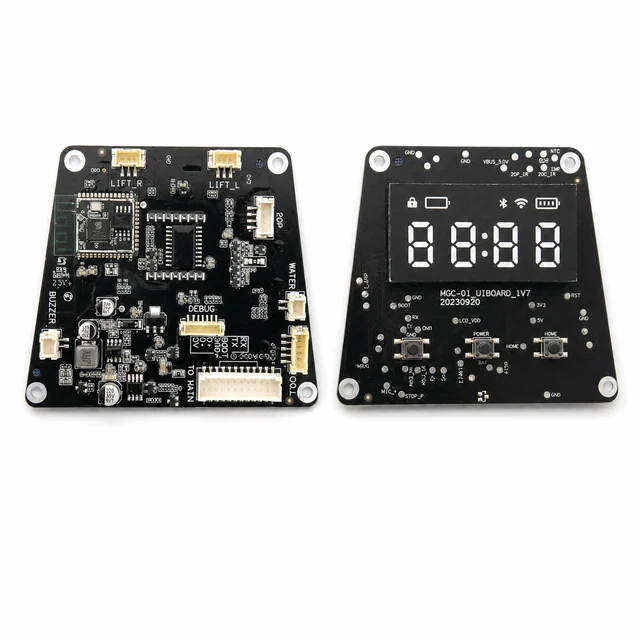
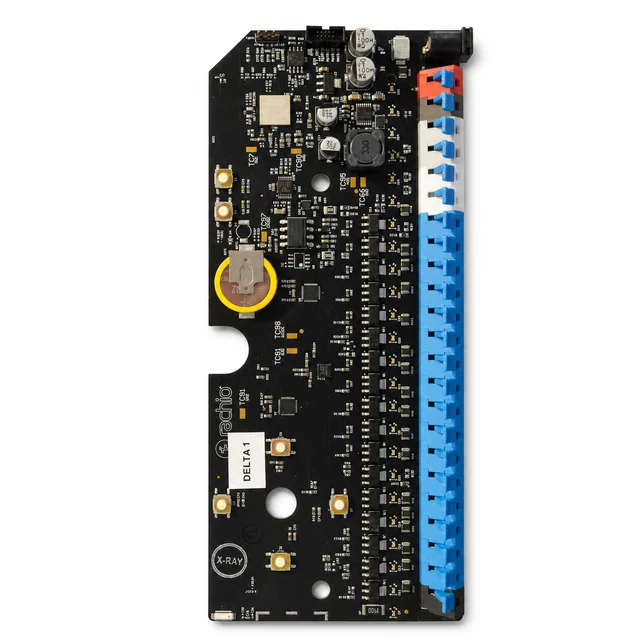
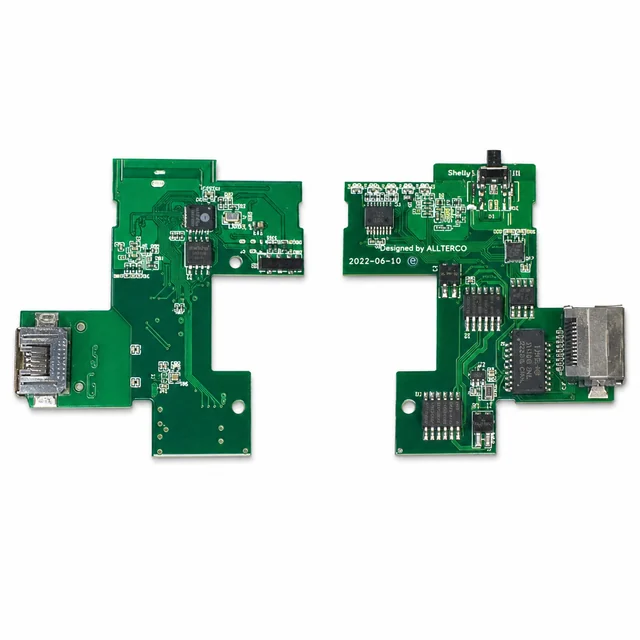
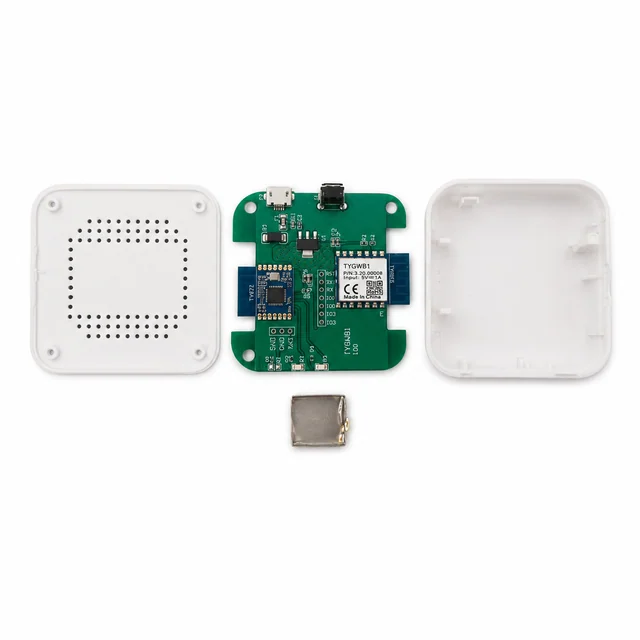
White-background views are published to make component placement, interfaces and assembly boundaries easier to inspect.