HOME-05 · Connected Home
Connected Coffee Machine Power and UI PCBA Set
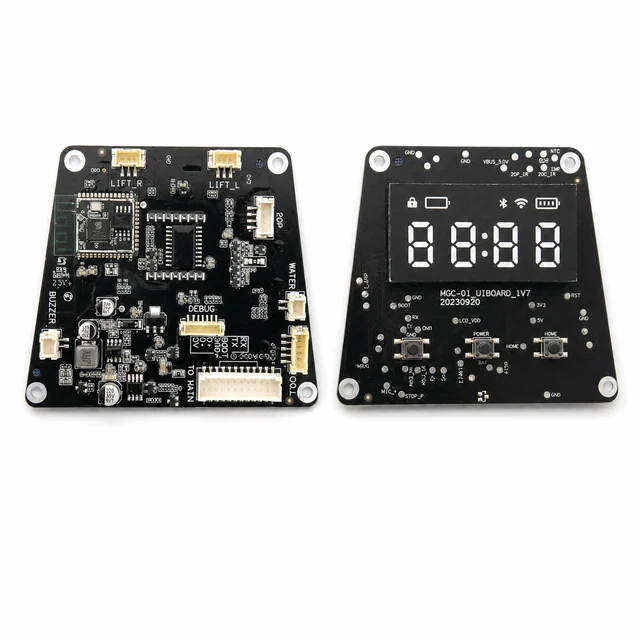
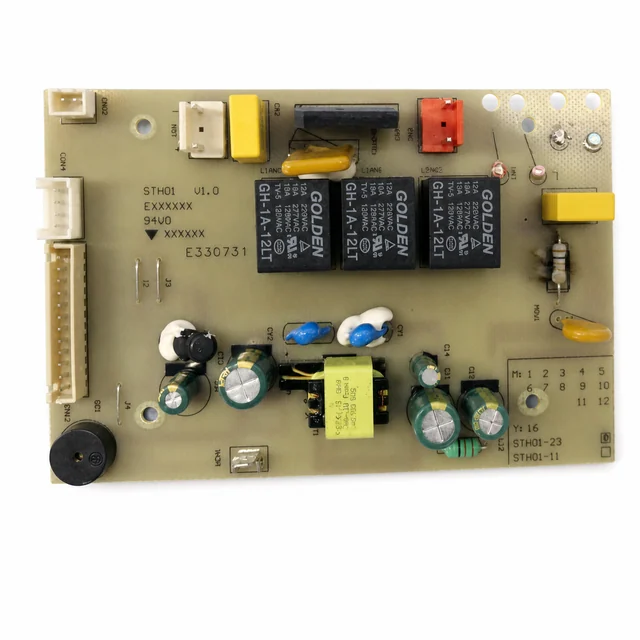
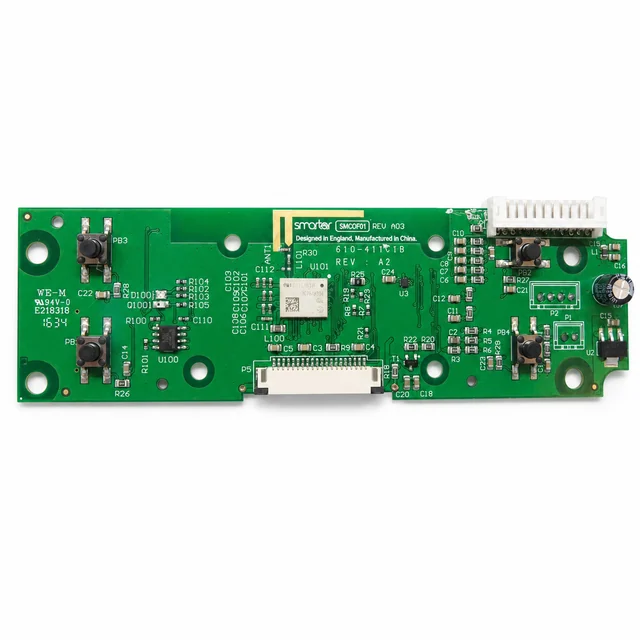
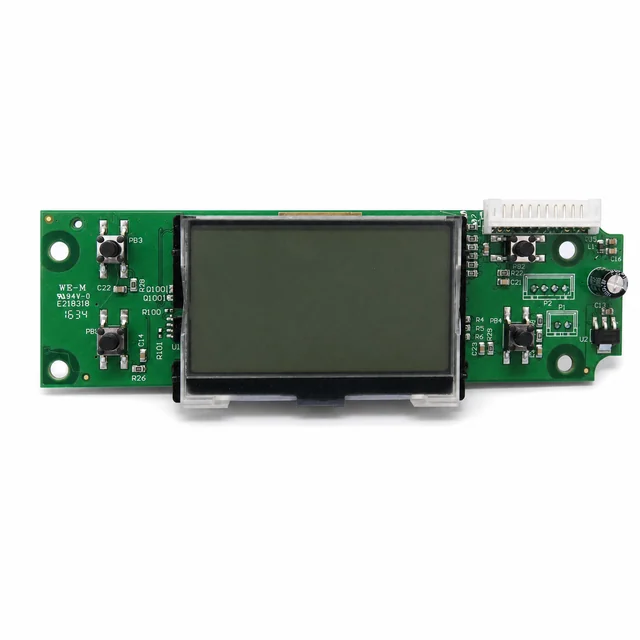
An FCC-photo reference showing an SMC01 main board with three electromagnetic relays and power components, plus a separate LCD, key, buzzer, and connected-control interface board.
Project context
A representative engineering program
An FCC-photo reference showing an SMC01 main board with three electromagnetic relays and power components, plus a separate LCD, key, buzzer, and connected-control interface board.
System architecture
How the electronics are organized
A typical appliance architecture converts mains to control power, switches heater, pump, or grinder loads through dedicated outputs, reads water and temperature interlocks, and coordinates local display functions with optional network control.
Engineering risks to close
What must be resolved before release
- Prevent dry heating and over-temperature conditions independently of cloud or application software.
- Maintain insulation and EMC margins around heater, pump, motor, steam, and accessible controls.
- Coordinate sequential loads without supply sag, relay overstress, or unsafe recovery after power loss.
Validation plan
Evidence expected before production
- Inject temperature-sensor, water-level, stuck-output, pump-stall, and dry-heat faults.
- Measure load inrush, relay life, thermal rise, mains variation, steam condensation, and long-duration keep-warm operation.
- Run applicable dielectric, surge, EFT, ESD, emissions, offline-control, and interrupted-update tests.
Decision-ready evidence packet
What a comparable RFQ should define
This checklist turns the technical story into reviewable inputs and release records. It describes what buyers and manufacturers should agree—not a claim that every listed record applies to every build.
Design baseline
Released schematic or block diagram, interface table, power states, critical constraints, and revision owner.
Manufacturing release
Gerber or ODB++, stack-up, centroid data, assembly drawings, approved DFM dispositions, and panel assumptions.
Material control
Released BOM revision, manufacturer part numbers, AVL or alternate rules, no-substitute lines, MSL handling, and exception approvals.
Validation record
Test method, acceptance criteria, sample or serial identity, measured result fields, and disposition. Example scope: Inject temperature-sensor, water-level, stuck-output, pump-stall, and dry-heat faults.
Production release
First-article status plus the agreed SPI, AOI, X-ray, ICT, FCT, programming, rework, OQA, labeling, and packing records.
Project-specific fields, retention periods, sampling rules, measured limits, and customer approvals are confirmed during RFQ and protected under the applicable confidentiality agreement.
Development and production controls
Manufacturing scope represented here
- Multi-load appliance control.
- LCD, key, and buzzer integration.
- Thermal and water-path interlocks.
Technical image review
Board-level evidence
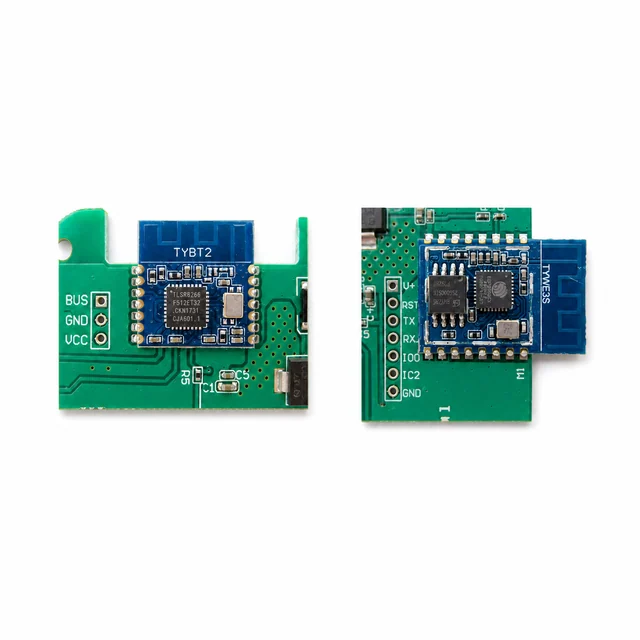
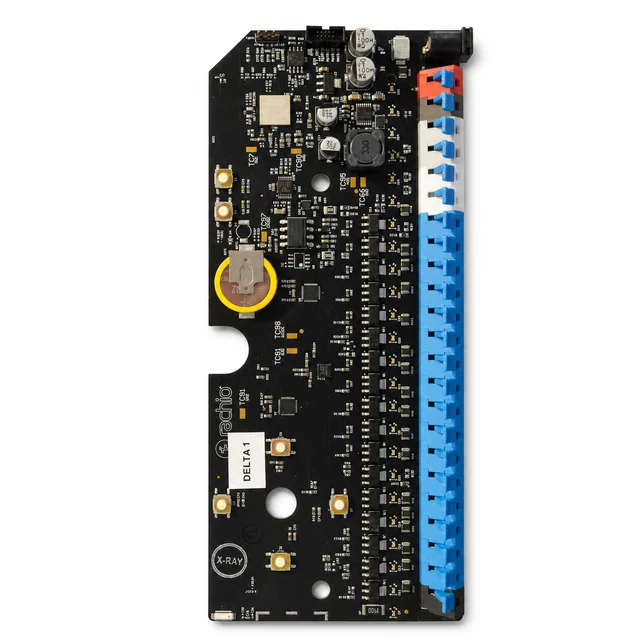
White-background views are published to make component placement, interfaces and assembly boundaries easier to inspect.