HOME-10 · Connected Home
Connected Water Purifier Power and Control PCBA
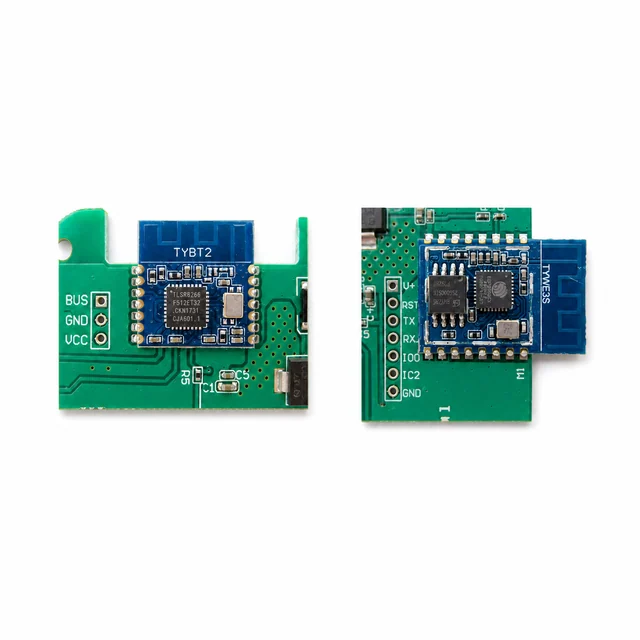
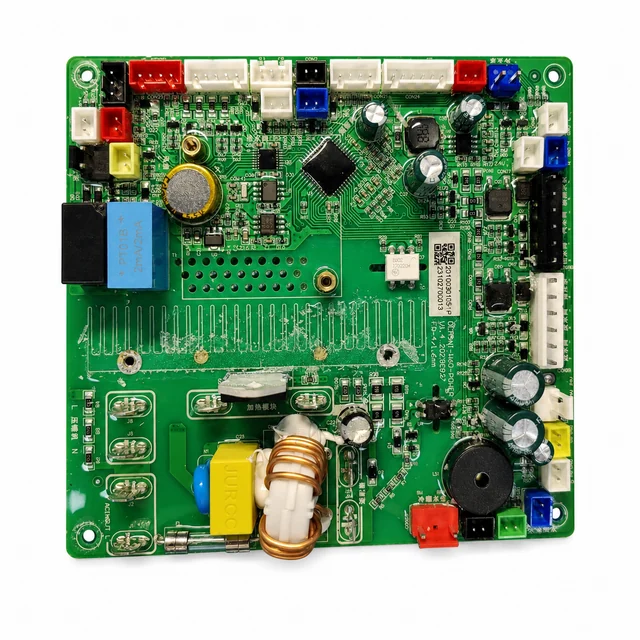
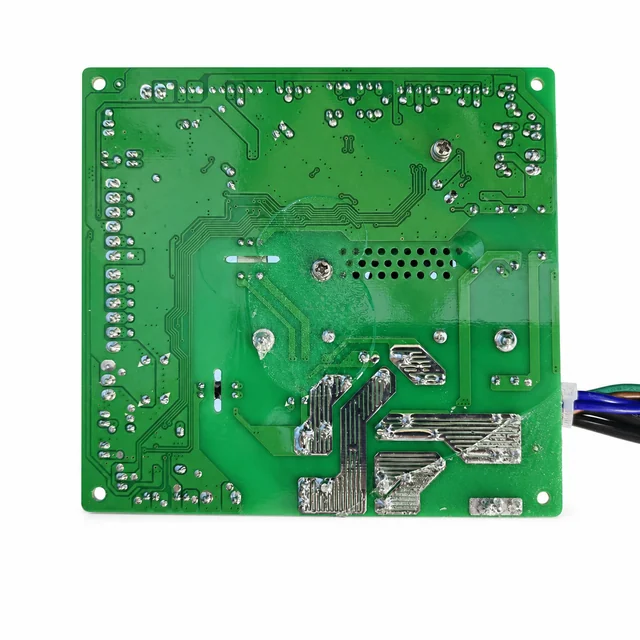
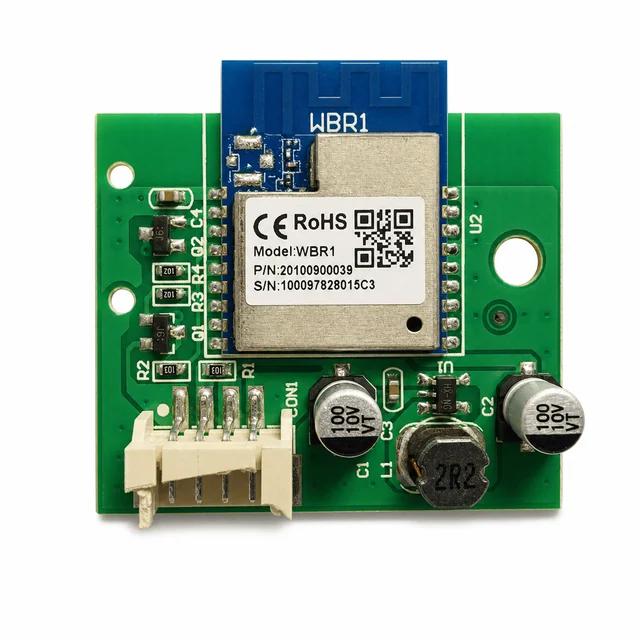
An FCC-photo reference showing an integrated W60 main board with ACINPUT, L/N, 24V and heating-related markings, protected power sections, repeated output circuits, and a separate WBR1 wireless board.
Project context
A representative engineering program
An FCC-photo reference showing an integrated W60 main board with ACINPUT, L/N, 24V and heating-related markings, protected power sections, repeated output circuits, and a separate WBR1 wireless board.
System architecture
How the electronics are organized
A representative system converts mains into a 24 V actuator bus and low-voltage logic rails, reads flow, level, pressure, TDS, temperature, or leak inputs, sequences pumps and valves, supervises any heating channel, and exchanges status with a plug-in wireless module.
Engineering risks to close
What must be resolved before release
- Maintain mains isolation and reliable pump, valve, and heating control beside water and condensation.
- Detect dry operation, leakage, blocked flow, stuck outputs, and conflicting sensor states before damage occurs.
- Prevent inductive transients and heavy-load switching from corrupting analog water-quality sensing or connectivity.
Validation plan
Evidence expected before production
- Inject pump stall, valve open and short, low pressure, dry heat, temperature-sensor, leak, and flow faults.
- Verify applicable dielectric, insulation, leakage-current, surge, EFT, ESD, load-life, and full-load thermal behavior.
- Calibrate supported flow, temperature, and TDS channels and test condensation, power cycling, weak networks, and interrupted updates.
Decision-ready evidence packet
What a comparable RFQ should define
This checklist turns the technical story into reviewable inputs and release records. It describes what buyers and manufacturers should agree—not a claim that every listed record applies to every build.
Design baseline
Released schematic or block diagram, interface table, power states, critical constraints, and revision owner.
Manufacturing release
Gerber or ODB++, stack-up, centroid data, assembly drawings, approved DFM dispositions, and panel assumptions.
Material control
Released BOM revision, manufacturer part numbers, AVL or alternate rules, no-substitute lines, MSL handling, and exception approvals.
Validation record
Test method, acceptance criteria, sample or serial identity, measured result fields, and disposition. Example scope: Inject pump stall, valve open and short, low pressure, dry heat, temperature-sensor, leak, and flow faults.
Production release
First-article status plus the agreed SPI, AOI, X-ray, ICT, FCT, programming, rework, OQA, labeling, and packing records.
Project-specific fields, retention periods, sampling rules, measured limits, and customer approvals are confirmed during RFQ and protected under the applicable confidentiality agreement.
Development and production controls
Manufacturing scope represented here
- Mains-to-24 V appliance power control.
- Pump, valve, heater, and sensor integration.
- Replaceable wireless-module architecture.
Technical image review
Board-level evidence
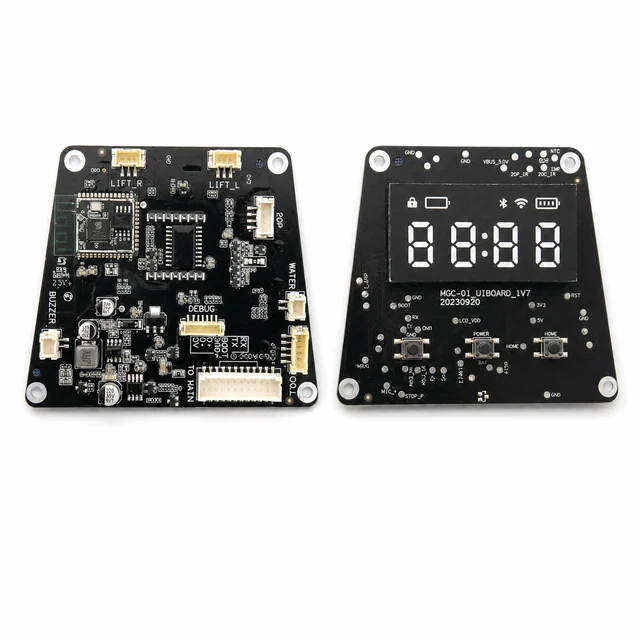
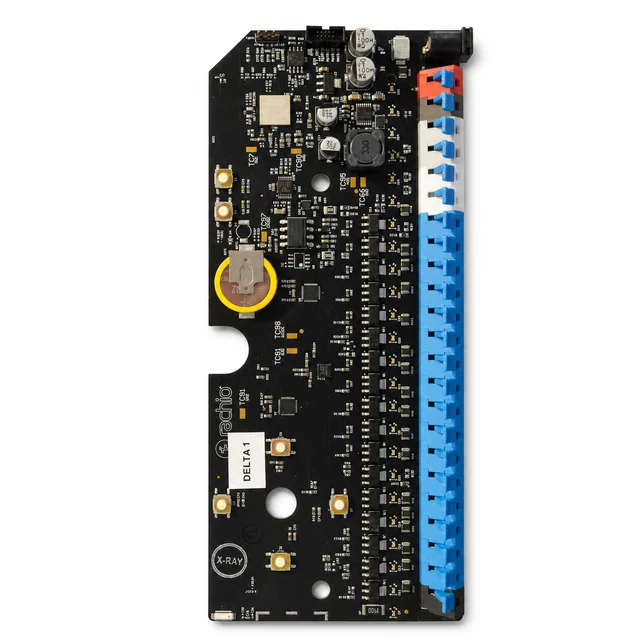
White-background views are published to make component placement, interfaces and assembly boundaries easier to inspect.