HOME-11 · Connected Home
Connected Air Purifier Power and Control PCBA Set
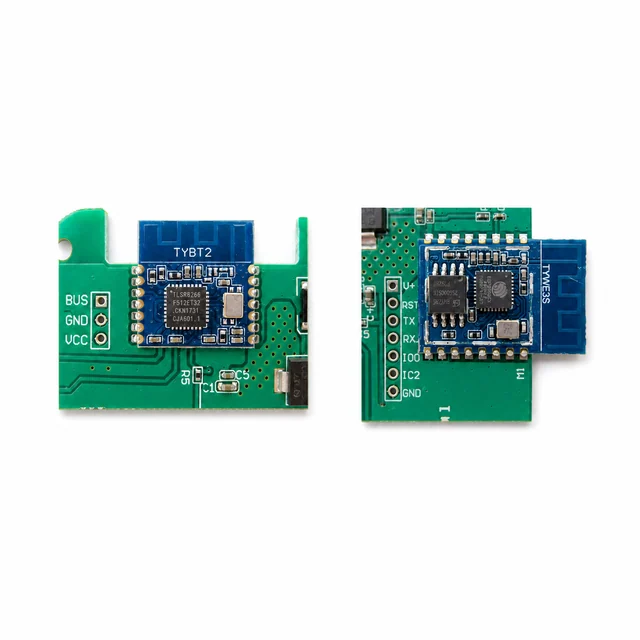
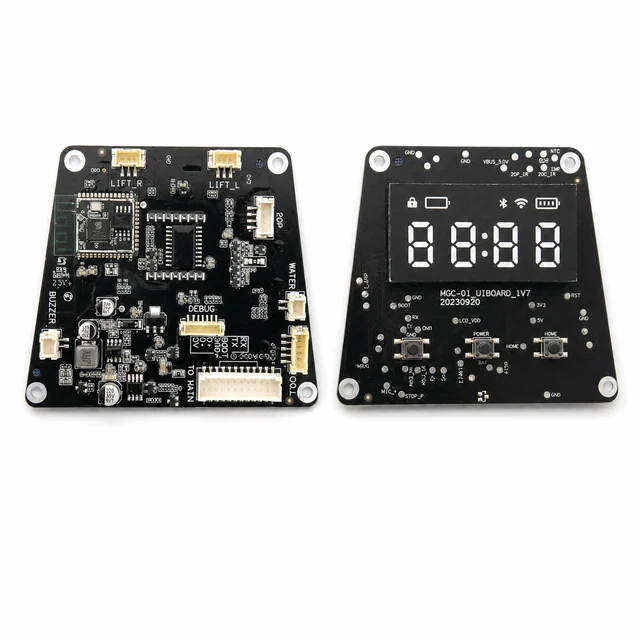
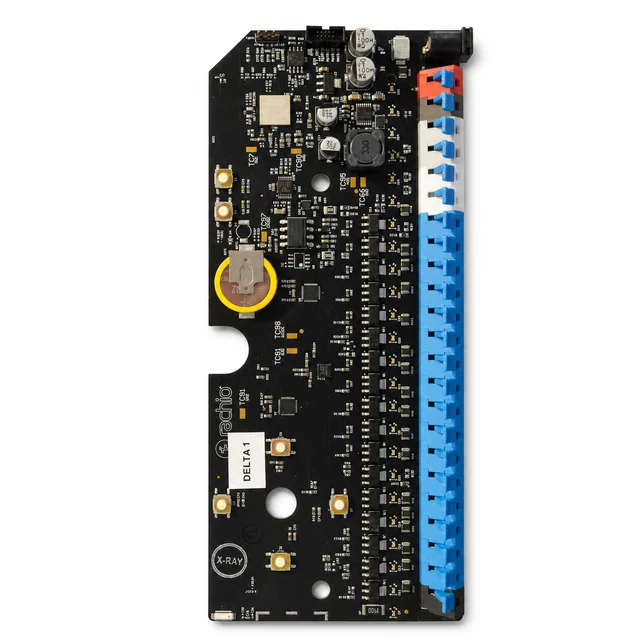
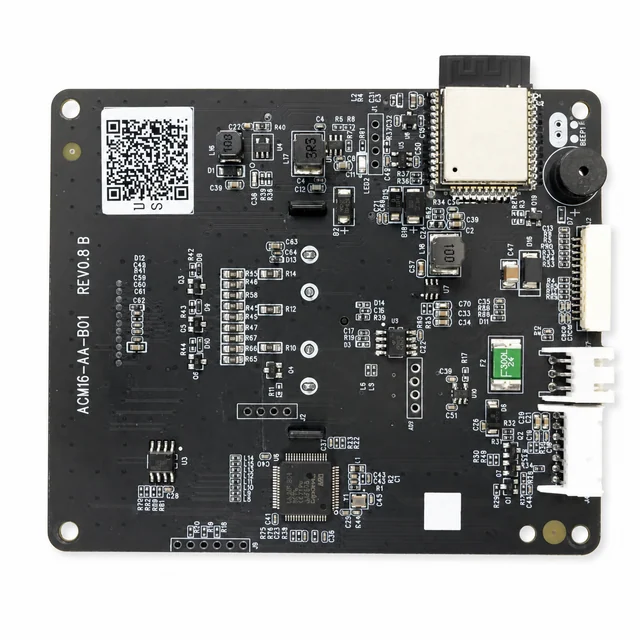
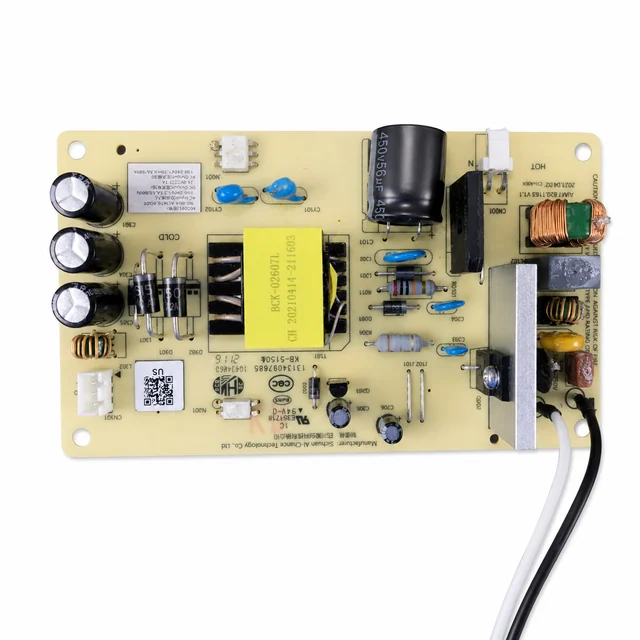
An FCC-photo reference showing a discrete offline power board with transformer, high-voltage capacitor, feedback isolation and heatsinking, plus a separate MCU and radio control board.
Project context
How this product is typically engineered
An FCC-photo reference showing a discrete offline power board with transformer, high-voltage capacitor, feedback isolation and heatsinking, plus a separate MCU and radio control board.
System architecture
Typical architecture
A typical architecture isolates mains conversion on the power board, supplies the fan and low-voltage electronics, and lets the control board filter external air-quality data, command fan speed, read tachometer feedback, operate the local UI, and manage wireless functions.
Engineering risks to resolve
Decisions to close before release
- Control fan-start and switching noise without degrading particulate sensing or radio performance.
- Maintain isolation, high-voltage capacitor life, and thermal margin during blocked-airflow and dusty operation.
- Convert noisy, warming-up sensor data into stable automatic control with useful fault degradation.
Validation plan
Checks to define before production
- Test input range, startup surge, fan stall, blocked airflow, output ripple, full-load temperature, and dust aging.
- Perform applicable dielectric, single-fault, surge, EFT, ESD, conducted-emission, and radiated-emission tests.
- Evaluate sensor warm-up, particulate steps, low-level drift, fan feedback, acoustic behavior, weak networks, and update power loss.
What to put in the RFQ
Files and records to agree before quoting
Use this list to agree the build inputs and release records for a similar product. The final set depends on the project.
Design baseline
Released schematic or block diagram, interface table, power states, critical constraints, and revision owner.
Manufacturing release
Gerber or ODB++, stack-up, centroid data, assembly drawings, approved DFM dispositions, and panel assumptions.
Material control
Released BOM revision, manufacturer part numbers, AVL or alternate rules, no-substitute lines, MSL handling, and exception approvals.
Validation record
Test method, acceptance criteria, sample or serial identity, measured result fields, and disposition. Example scope: Test input range, startup surge, fan stall, blocked airflow, output ripple, full-load temperature, and dust aging.
Production release
First-article status plus the agreed SPI, AOI, X-ray, ICT, FCT, programming, rework, OQA, labeling, and packing records.
During RFQ review, we confirm the required fields, sampling, limits, approvals, and record-retention period. Confidential project information stays within the agreed access rules.
Development and production controls
Typical manufacturing scope
- Isolated offline power conversion.
- Fan speed and feedback control.
- Air-quality sensing and wireless UI integration.
Technical image review
Board-level evidence
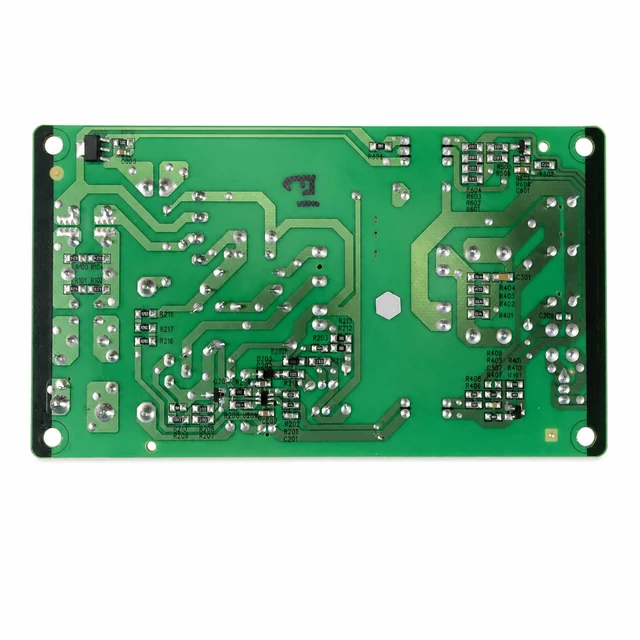
White-background views are published to make component placement, interfaces and assembly boundaries easier to inspect.