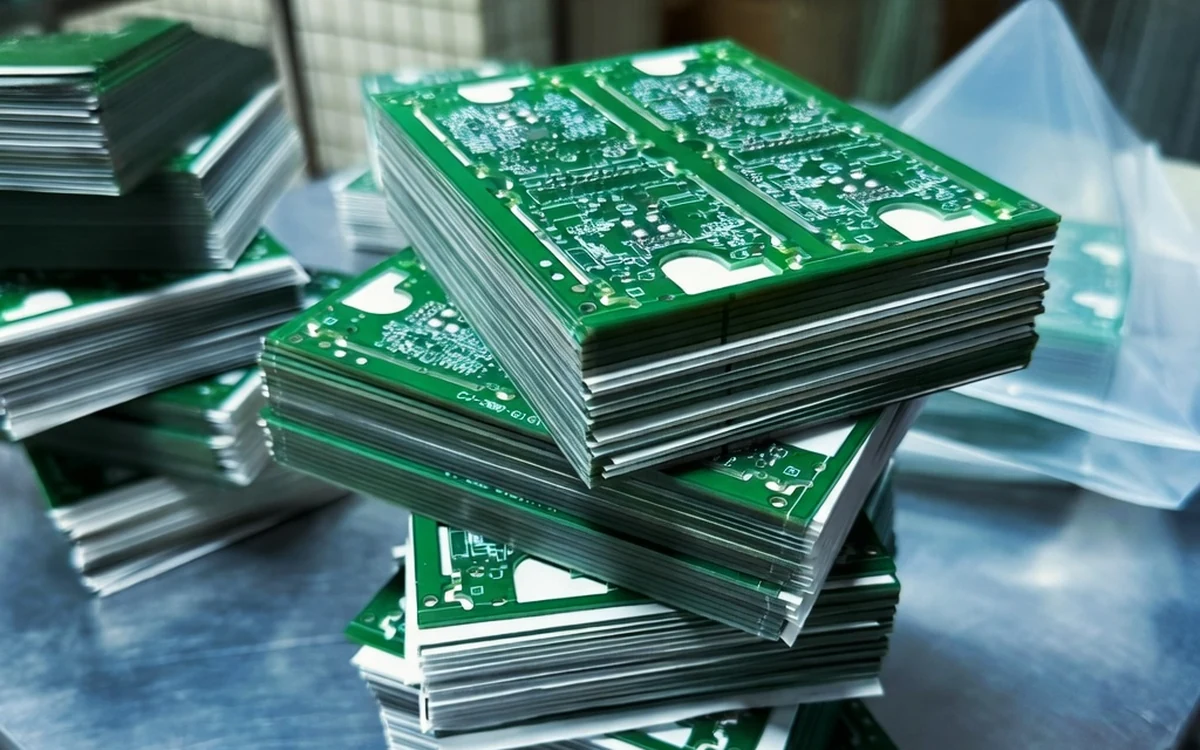
A 10-layer controlled-impedance PCB quote needs more than Gerber files. Gerber data shows the copper artwork, but it does not fully define stack-up, impedance targets, material choice, copper thickness, panelization, or downstream assembly requirements.
Start with stack-up and impedance targets
Share the intended layer order, reference planes, dielectric thickness, copper weight, finished board thickness, and target impedance for each controlled net group. If the fabricator is allowed to adjust the stack-up, make that clear before quotation.
Define materials and reliability requirements
For high-speed, RF, industrial, or high-temperature products, specify the preferred laminate family, Tg requirement, loss target, surface finish, solder mask color, and any reliability standards. These choices affect both pricing and lead time.
Include panel and assembly information
Panelization, V-cut, tab routing, tooling holes, fiducials, BOM, centroid data, and test requirements all change the manufacturing plan. If PCB fabrication and PCBA are quoted together, send the full build package early.
RFQ checklist
- Gerber, drill files, netlist, and board outline
- Stack-up, impedance table, and controlled net list
- Material, copper, surface finish, and acceptance rules
- Panelization, V-cut or tab routing, and assembly notes
- BOM, centroid file, test method, and delivery target
Practical takeaway
A clear RFQ package helps the PCB partner quote faster, reduce engineering questions, and avoid avoidable rework. For 10-layer impedance projects, the best time to align fabrication, assembly, and test requirements is before the first quotation.