
IPC class
Identify the applicable workmanship standard and revision, cosmetic requirements, void limits where relevant, test coverage, labeling, and packaging.
Specify the workmanship criteria, inspection coverage, test limits, and records required for your build.
Review the ISO 9001:2015 certificate below, then specify the product and process requirements that apply to your order.
Identify the applicable workmanship standard and revision, cosmetic requirements, void limits where relevant, test coverage, labeling, and packaging.
Define the required component lot references, substitution approvals, moisture-sensitive handling records, and customer-supplied kit records.
Specify any in-circuit testing (ICT), functional testing (FCT), coating inspection, or programming checks required for the product.
Agree which outgoing inspection records, test summaries, photos, and packing notes are to accompany the shipment.
Check the certificate and capability information, then use the templates to define the records your project needs.
These templates define record fields; they are not completed customer reports. Project records require the agreed scope and approval for sharing.
Before production, define the inspection criteria, material and process checks, any risk-based tests, and release records for the order. The images are illustrative; actual inspection scope and records are agreed per project.
Set incoming checks against the approved BOM, customer-supplied material details, date-code requirements, condition, and MSL handling. Agree which lot references and exceptions to record.
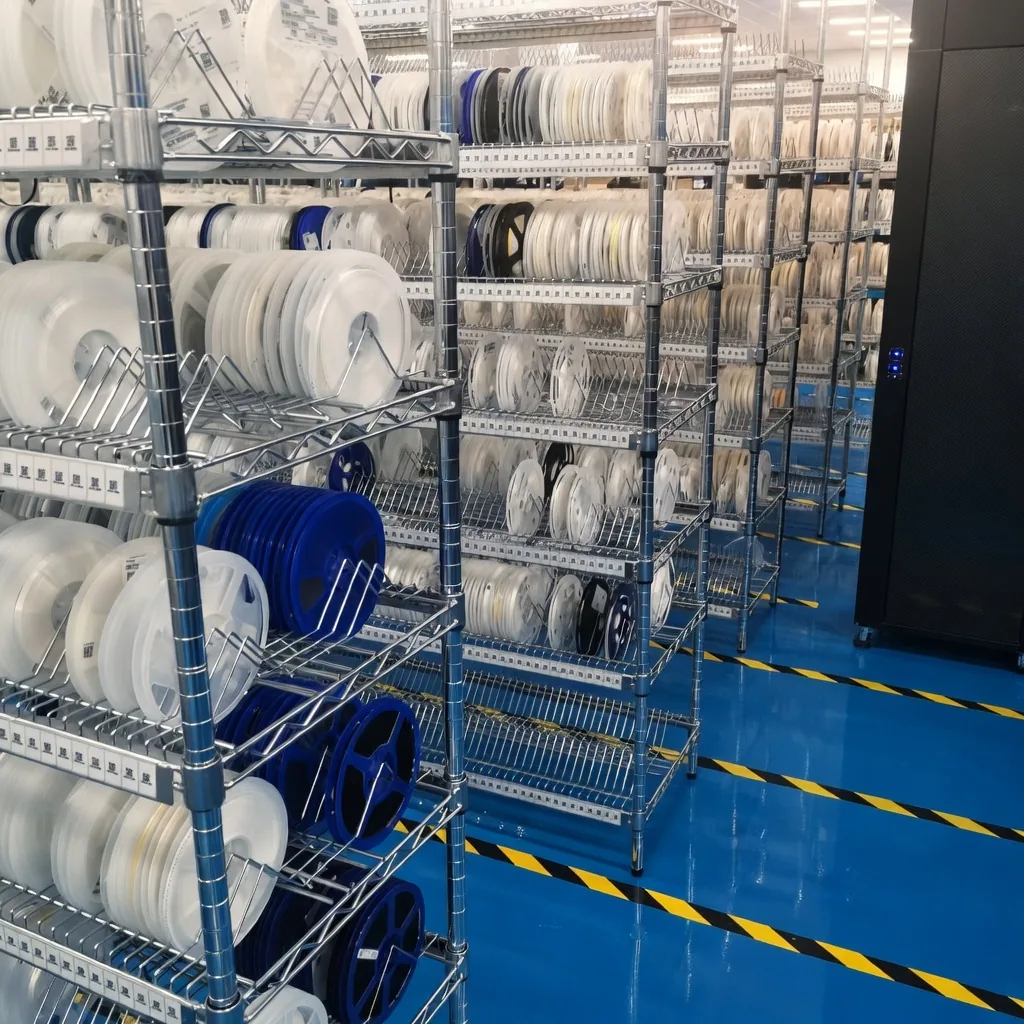
If SPI is available and included in the agreed scope, define measurement limits for solder volume, area, height, and print shape, along with the report required. SPI can help identify print variation before placement and reflow.

Confirm AOI availability before quotation. If included in scope, agree first-article and post-reflow coverage for visible features, then define how findings and rework decisions are recorded.
 Illustrative optical-inspection setup
For BGA, QFN, CSP, and other hidden-joint packages, confirm X-ray availability first. If selected, agree the inspection scope, sampling rule, acceptance criteria, and report before order approval.
Provide electrical and functional test requirements for review. Confirm feasibility, test access, fixture, firmware, cost, pass/fail limits, and required logs before including tests in the order.
Define which outgoing checks apply, including visual condition, documents, labels, ESD packaging, desiccants where needed, and shipment release. Agree the records required for the batch handoff. Use the PCBA Export Packaging Standard + Inspection Checklist to align pack-out evidence, labels, release records, and receiving acceptance before shipment.
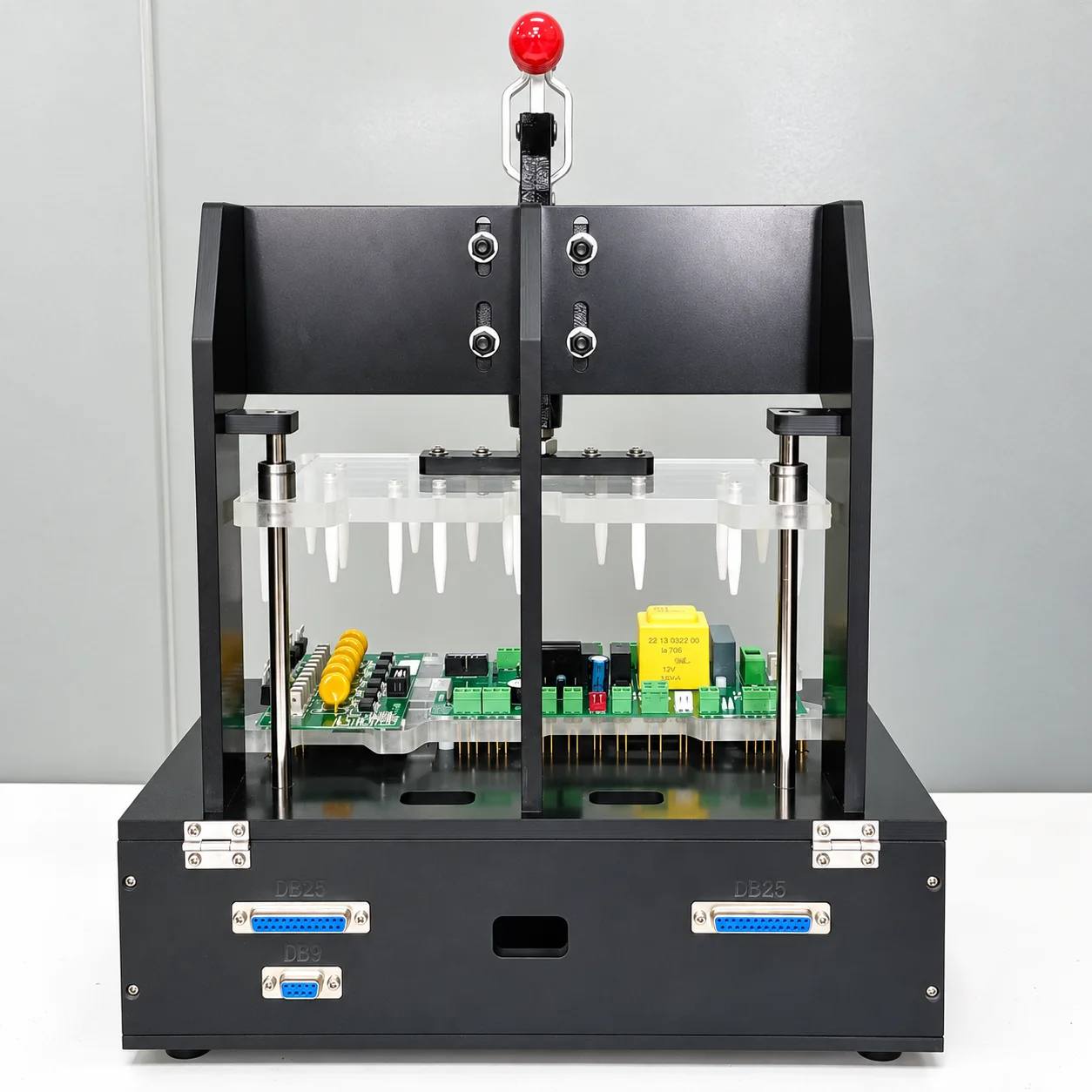
Test-point access, board support, connector interfaces and acceptance limits belong in the test plan.
For a fixture-based build, share your board revision, test specification and programming requirements with the RFQ.
Discuss your test requirements →For medical, automotive, industrial, or BGA assemblies, identify which inspection, test, traceability, and release records are required for the lot. Use the IPC Class 2 vs Class 3 PCBA Decision Guide + RFQ Worksheet to align the IPC class with those requirements.
The RFQ can specify component lot references, approved substitutions, incoming-check notes, MSL handling status, and customer-supplied kit receipts.
Confirm X-ray availability first. If selected, define the sampling plan, acceptance criteria, and image-report format at RFQ stage.
List the BOM, firmware, label, process, and test-fixture changes that need approval and a retained record.
Specify whether first-article, ICT/FCT, rework, outgoing-inspection, or packaging records are needed; confirm test and reporting scope before order approval.
Planning templates, not completed customer test reports. Project records are agreed separately.
Use a checklist to define the pilot-lot review.
Download checklist · CSV →Specify the identity fields and export format required.
Download field template · XLSX →Define coverage, acceptance limits and the release log.
Download test plan · XLSX →The document below names Dongguan Hepin Electronic Technology Co., Ltd. and lists its printed ISO 9001:2015 scope. Its printed validity is subject to surveillance audits; confirm current status with the issuer before supplier approval.

The document lists R&D, production, and sales of PCBA boards for Dongguan Hepin Electronic Technology Co., Ltd., the legal entity operating the PCBA PARTNER brand.
The following describe support areas, not additional company certifications. Required qualification and compliance evidence must be agreed for your project.
Specify lot identification, change control, documentation, and supplier qualification requirements for review.
State the required supplier approvals, component qualifications, change controls, and production records in the RFQ.
Material controls for lead-free builds and restricted-substance requirements when specified.
The images below are illustrative, not project records. For each order, agree the inspection or test step, acceptance criteria, and report needed for quotation, first-article review, or shipment.
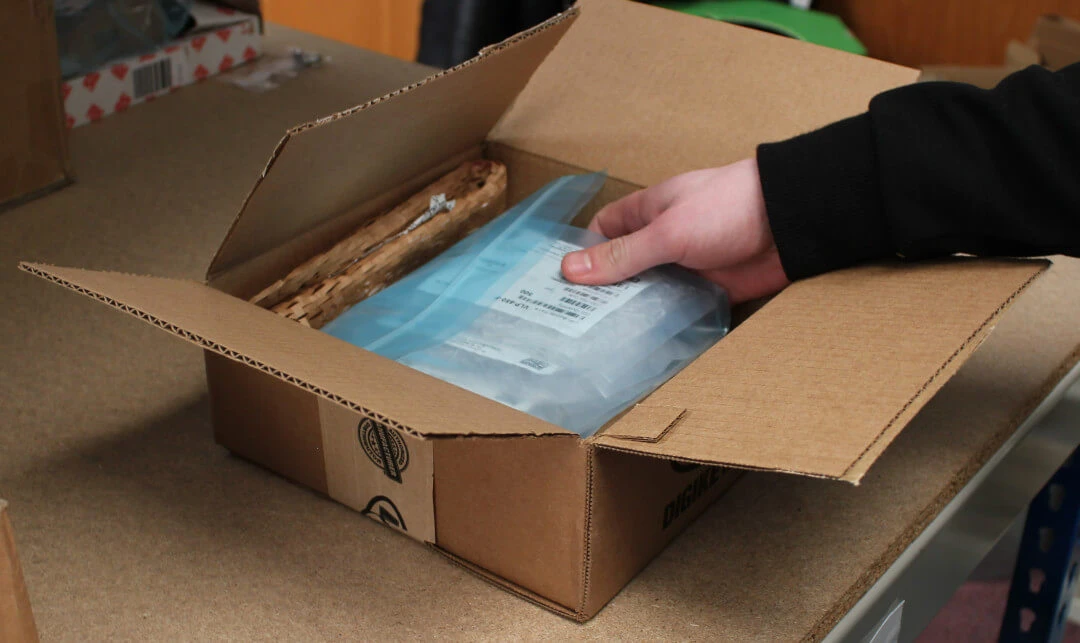
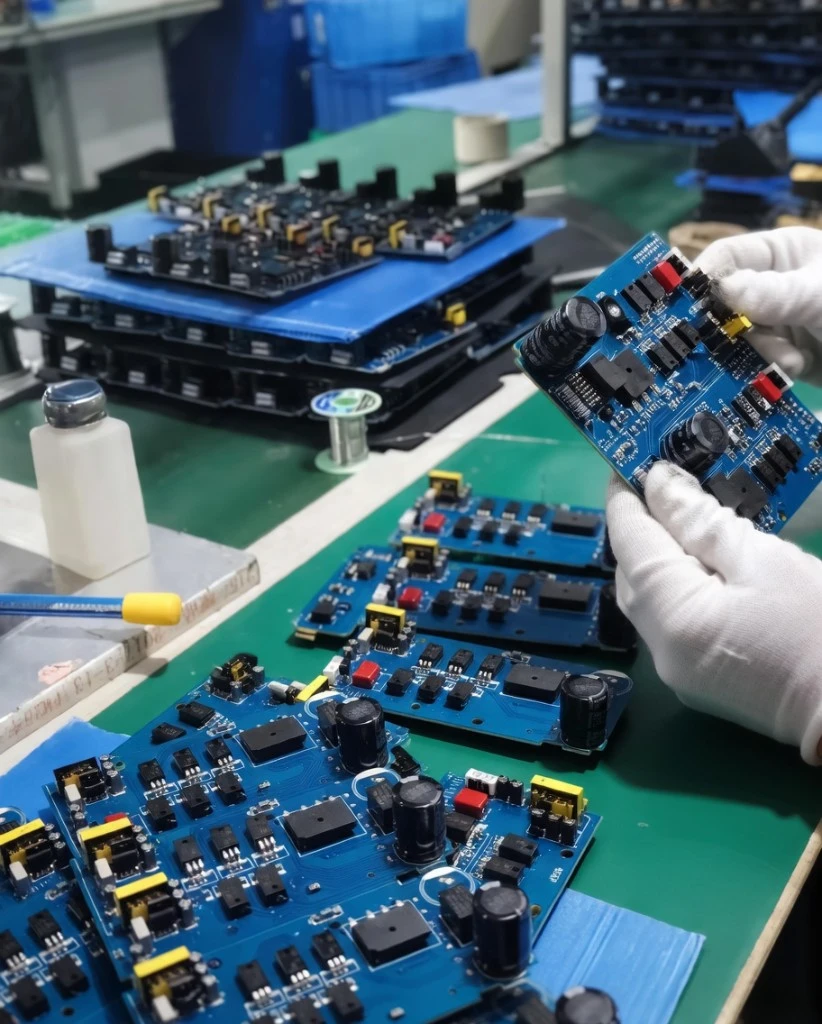

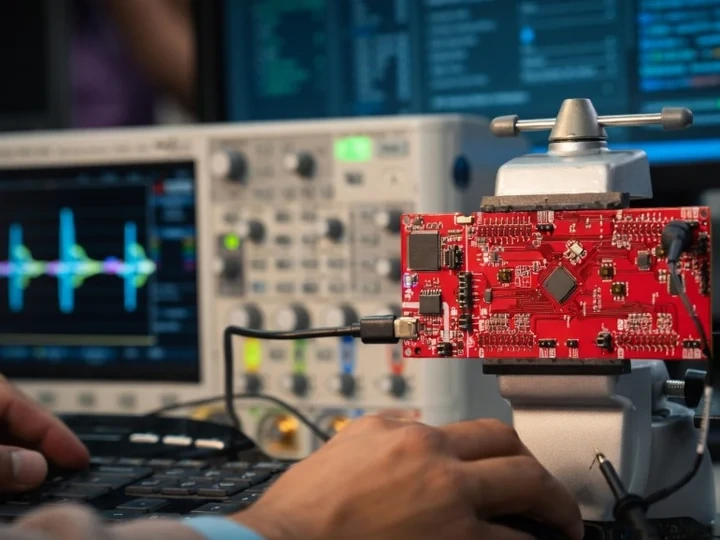
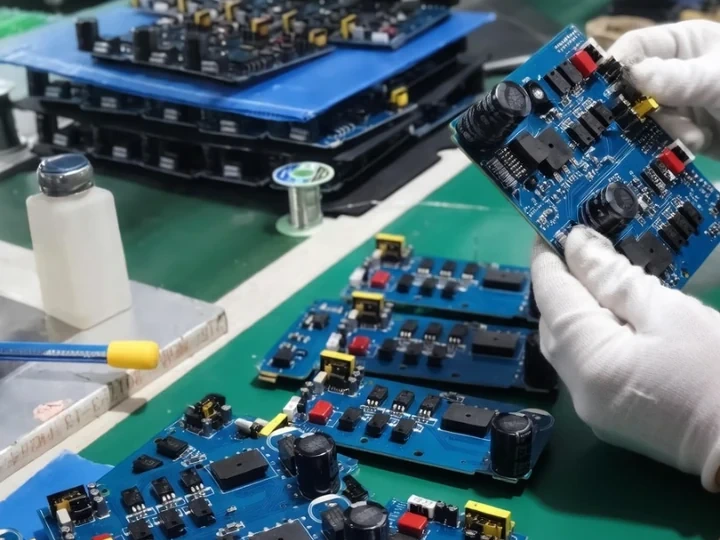

Select inspection and test methods according to package geometry, test access, and the agreed acceptance criteria.
If 3D SPI is considered for the build, confirm availability and agree the measurement limits and records before quotation.
Confirm AOI availability before quotation. If included in scope, agree post-reflow coverage for visible components and solder-joint features. Coverage depends on the inspection program and joint visibility.
For hidden-joint packages, confirm whether X-ray inspection is available and agree scope, sampling, and acceptance criteria before order approval.
Before quotation, assess whether flying-probe or fixture-based ICT is available and suitable for the quantity, test access, and released test plan. Confirm coverage, cost, and records. Use the PCBA test planning guide and editable test plan template to define requirements and responsibilities.
Specify thermal, humidity, or aging test conditions and required reports. Confirm test availability, responsible laboratory, cost, and schedule before including these tests in the order.
Specify the barcode, lot, process, inspection, and release fields needed, then agree how any records will be captured and supplied. Use the PCBA traceability data guide to define the required field set, compare ICT, FCT, and flying-probe strategy, and review case-level validation plans.
Include acceptance criteria and required reports so the inspection scope and project records can be reviewed.