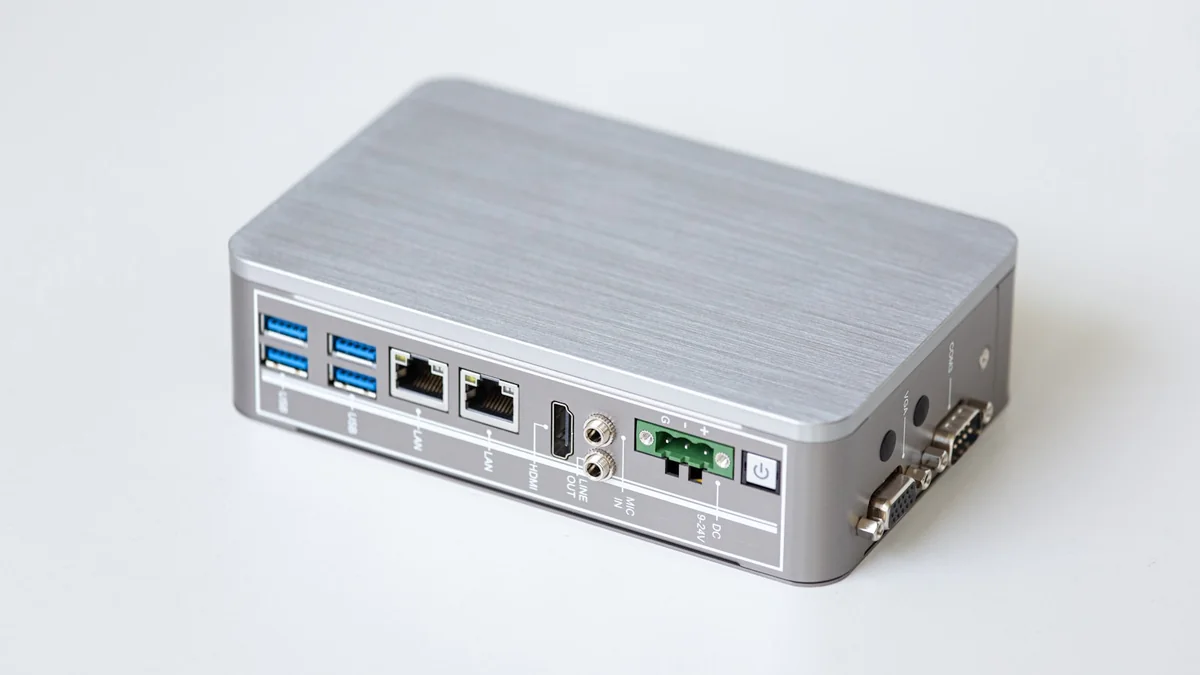
Short answer: a box build RFQ should define everything that happens after the last reflow: enclosure and mechanical parts, cables and harnesses, firmware loading, finished-unit test, labels, packaging and shipment. A supplier can only quote and schedule what the RFQ actually describes.
Many OEMs start with “we need PCB assembly” and discover later that the real work is finished-product integration. That shift usually appears late—after prototype quotes, after scheduling, even after first board production. A box build RFQ should define what happens after the last SMT reflow, not only assembly scope.
If your team does not prepare those downstream elements early, you can still get a good PCB build but still fail delivery confidence. This guide gives buyers a practical structure to make box build RFQs complete from day one.
Start from the product outcome
Define “finished” at the top of the request:
- Is the project a sample batch, pilot batch, or pre-series delivery?
- Is enclosure fit mandatory before shipment, or can mechanical corrections continue post-delivery?
- Do you require final function test, burn-in, firmware setup, or system smoke test?
- Do clients expect retail-ready packaging or factory-ready packaging?
These four decisions often determine the most expensive changes. Clarify them before file sharing.
Enclosure and integration scope
For box build, enclosure design and wiring details are as important as board layout. Include:
- Enclosure drawings with mounting points and clear access windows
- Cable routing and connector orientation
- Fastener strategy, torque specification, and retention requirements
- Any cleaning, coating, or environmental handling constraints
If enclosure details are missing, assembly teams will often compensate with assumptions that are hard to correct at pilot scale.
Test plan for finished-unit level
A common gap is defining tests for PCB-level only. For box build projects, include:
- Power-on function at finished-unit level
- Burn-in or stress checks when required
- Programming and configuration sequence
- Label or serial reading checks for traceability
For high-value programs, this step is often the clearest indicator of delivery readiness and support quality.
Cable, labeling, and quality controls
Simple connectors can become big defects when labels, wiring strain, and service access are ignored.
- Document pinout, polarity, polarity protection, and wire strain direction.
- Standardize labeling position for serial, revision, and safety marks.
- Define visual acceptance rules for cosmetic and assembly consistency.
- Assign final QA checkpoints that include completed integration, not PCB only.
If your project has repeated rework in these areas, reduce ambiguity by adding photos and tolerance notes in the RFQ.
Packaging and shipment readiness
Finished-product packaging differs from board packaging. Include pallet quantity, anti-static requirements, cushioning strategy, pallet labels, and logistics milestones. Export projects should also define destination documents, Incoterms, and carton opening responsibility.
When packaging is delayed to the end, teams typically discover compliance and customer expectation issues late. Treat packaging as part of the same execution scope as assembly.
How to structure a realistic box build timeline
A practical sequence is:
- Week 1: RFQ package, file check, and engineering questions.
- Week 2: First-unit build, sample integration, and firmware check.
- Week 3: Labeling, cable correction pass, and test case tuning.
- Week 4: Pilot acceptance and first production lot release.
Different programs will vary, but this sequence helps buyers and suppliers run the same calendar.
Best practice for quote quality and governance
If your quote is delayed or repeatedly revised, it is usually because one of these four was unclear:
- Mechanical integration complexity
- Testing depth at unit level
- Packaging and shipping standard
- Brand-level visual/aesthetic requirement
Put those directly into your request and connect to a relevant service page: Box Build Assembly.
Practical takeaway
Use PCB-only language only when the project is still purely electronics assembly. Once you add enclosure, wiring, labeling, test, and logistics, you should treat RFQ scope as a finished-product workflow. That mindset reduces rework, improves acceptance speed, and protects delivery promises.