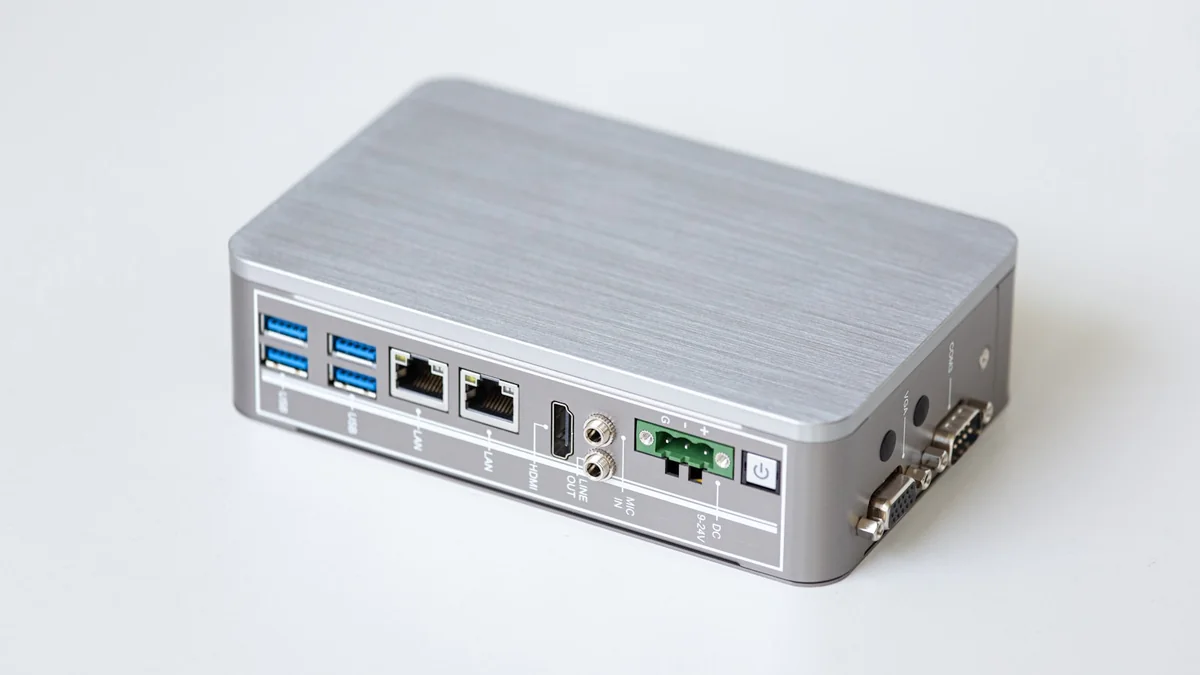
A PCBA can pass its board-level checks while the finished assembly still has an unresolved interface. Before committing enclosure, harness or tooling quantities, review the exact mechanical and electrical revisions together. This checklist focuses on the interfaces and evidence needed for that review, not a promise that a generic assembly method fits every product.
Begin with one controlled assembly configuration
Identify the PCBA, enclosure, harness, connector, fastener and label revisions. Include the intended assembly sequence and the product configuration used for checking fit and function. A render is useful for orientation, but a release decision needs the applicable drawings, tolerances and verification plan.
Use the box-build RFQ checklist to identify missing inputs before requesting pricing. Mark unresolved dimensions and responsibilities explicitly.
Review each interface with an owner
| Interface | Inputs to review | Evidence or decision to record |
|---|---|---|
| PCB mounting and enclosure | Datum scheme, hole locations, standoffs, component heights and the relevant tolerance stack. | Clearance/interference review, approved deviations and the configuration used for the fit check. |
| Harness and connectors | Cable and connector specifications, routing, retention, mating access and service procedure. | Released route, strain-relief and bend requirements from the applicable design documents, plus assembly verification. |
| Fasteners and inserts | Joint materials, thread engagement, access and the fastening requirements defined by the design owner. | Approved instruction, tool/verification method and a record of unresolved fastening conditions. |
| Thermal and power interfaces | Contact surfaces, thermal materials, operating modes, enclosure conditions and product limits. | Defined verification conditions, measurement locations and acceptance decision for the proposed assembly. |
| Programming and test access | Firmware/configuration identity, fixture connection, port access and final-unit test sequence. | Verified access, approved procedure and a result record tied to the finished unit. |
| Labels and packaging | Label locations, readable identifiers, protective materials and transport/receiving requirements. | Approved artwork and packaging revision, inspection points and shipment-release evidence. |
Test the assembly sequence, not only the final position
Check whether a connector can be mated at the proposed step, a tool can reach the fastener and a cable can follow its route without being trapped during closure. Record which steps require inspection before the enclosure hides the interface. Include a defined check after re-opening or rework where it affects release.
Document how variants are distinguished at the workstation. A harness or firmware variant that fits mechanically may still belong to a different configuration. Connect the labels and work instructions to the released parts and programming package.
Use a first-assembly issue record
For an observed interference, record the contact location, configuration, assembly step and evidence. State whether the dimensions were measured, taken from drawings or inferred from a model. The next decision may be a drawing correction, route change, tooling change or another approved action; do not choose a fix solely to make the current sample close.
After a change, identify which earlier checks must be repeated and who approves the result. Carry the new enclosure or harness revision into the released manufacturing package.
Keep cleaning, coating and packaging compatible with assembly
Where the product specifies cleaning or coating, identify protected interfaces, masked areas and the sequence relative to mechanical assembly. Make inspection possible before access is lost. Review the cleaning and contamination-control guide when preparing those requirements.
Packaging should be reviewed for the actual finished unit, its exposed features and receiving process. The export packaging and receiving checklist helps connect the drawing-level decisions with shipment release.
Close the review before repeat production
Retain the reviewed configuration, open-issue register, approved assembly instructions and verification records. Separate an engineering fit check from acceptance of a production lot. A build is ready for the agreed next step when the responsible owners have resolved the relevant interfaces or documented an authorized exception with a defined scope.