Protect the RF path
Receiver, antenna, LNA or filter, connector, cable, keep-out, ground, shielding, and enclosure are controlled together.
Manufacturing control for positioning, tracking, telematics, and timing electronics
We support GNSS-enabled trackers and connected positioning devices with controlled RF materials, antenna interfaces, firmware variants, low-power checks, and functional evidence.
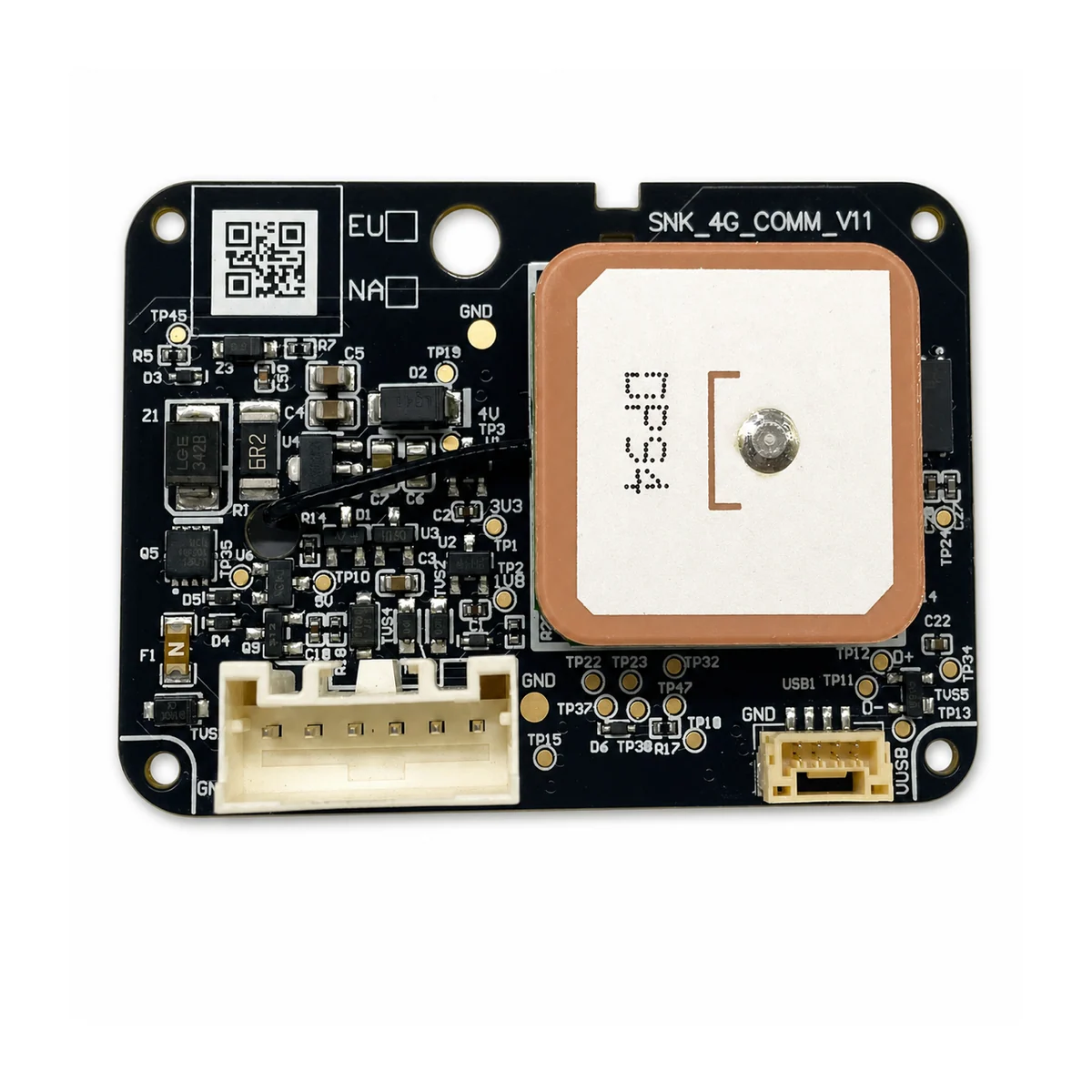
Engineering and manufacturing examples; they do not identify a customer or guarantee field performance.
Receiver, antenna, LNA or filter, connector, cable, keep-out, ground, shielding, and enclosure are controlled together.
Constellation settings, update rate, assistance data, modem image, identity, and SKU remain traceable to the built unit.
Power modes, acquisition, data output, reconnect, cellular link, charging, sensors, and recovery behavior are included as applicable.
The right manufacturing plan depends on the product architecture, field environment, service life, target regions, and evidence expected by the buyer.
Battery-powered location devices combining GNSS, cellular or LPWAN, sensors, identity, and enclosure controls.
Positioning, CAN or vehicle I/O, cellular connectivity, backup power, antennas, and event logging.
GNSS receivers or carrier boards with external antennas, host interfaces, timing, and firmware requirements.
GNSS-based timing outputs requiring oscillator, power, RF-path, firmware, and output-verification discipline.
These controls convert a general assembly request into a reviewable release package for engineering, purchasing, quality, and production.
Freeze antenna type, active or passive bias, cable, connector, filter or LNA, shielding, keep-out, enclosure location, and permitted alternates.
Link GNSS and cellular module revision, modem or receiver firmware, constellation settings, region, SIM or eSIM, and product label.
Define active, acquisition, tracking, sleep, standby, charging, cutoff, wake-source, and recovery current limits.
Specify acquisition conditions, data output, time-to-fix method, communication, sensors, I/O, restart, reconnect, and result-record expectations.
Certification, regulatory approval, field performance, calibration authority, and final product compliance remain tied to the buyer-approved design, target market, test method, and named responsibility.
A battery-powered tracker combines GNSS, LTE, an IMU, charging, and a compact internal antenna. The prototype BOM does not distinguish antenna variant, modem region, receiver firmware, sleep-current limit, or label identity. Before pilot release, the team creates a hardware and firmware matrix, freezes the antenna and enclosure location, records active and sleep limits, and defines acquisition, data, reconnect, charging, sensor, and label checks for each SKU.
Buyer lesson: freeze the product-specific decision inputs and acceptance evidence before the first article; do not rely on a generic “power-on test” or assembly note.
Clear files reduce quotation assumptions and make engineering, tooling, programming, inspection, test, and recurring-production costs easier to separate.
Start with the Engineering Resource Library + Project Cases + Templates or submit a controlled package through the RFQ workspace.
Confirm files, revisions, variants, lifecycle, environment, compliance ownership, and open assumptions.
Map DFM, sourcing, programming, fixtures, inspection, test, special processes, labels, and packaging.
Build the approved quantity, record deviations, verify acceptance evidence, and close first-article actions.
Retain approved materials, programs, limits, records, and change decisions for later lots and service demand.
Send the released files, product variants, pilot quantity, forecast, operating environment, open requirements, and acceptance plan. We will identify the information needed for a manufacturing review and quotation.
PCBA PARTNER is operated by Dongguan Hepin Electronic Technology Co., Ltd.