Home / Industries / Industrial IoT PCBA Development & Manufacturing

Connected hardware manufacturing for gateways, edge nodes, and industrial networks

Industrial IoT PCBA Development & Manufacturing

We help overseas hardware teams move industrial gateways, connected controllers, and sensor hubs from engineering release to repeatable PCBA production.
Gateways and edge nodesWi-Fi, BLE, cellular, and wired linksFirmware and identity controlFunctional and connectivity test
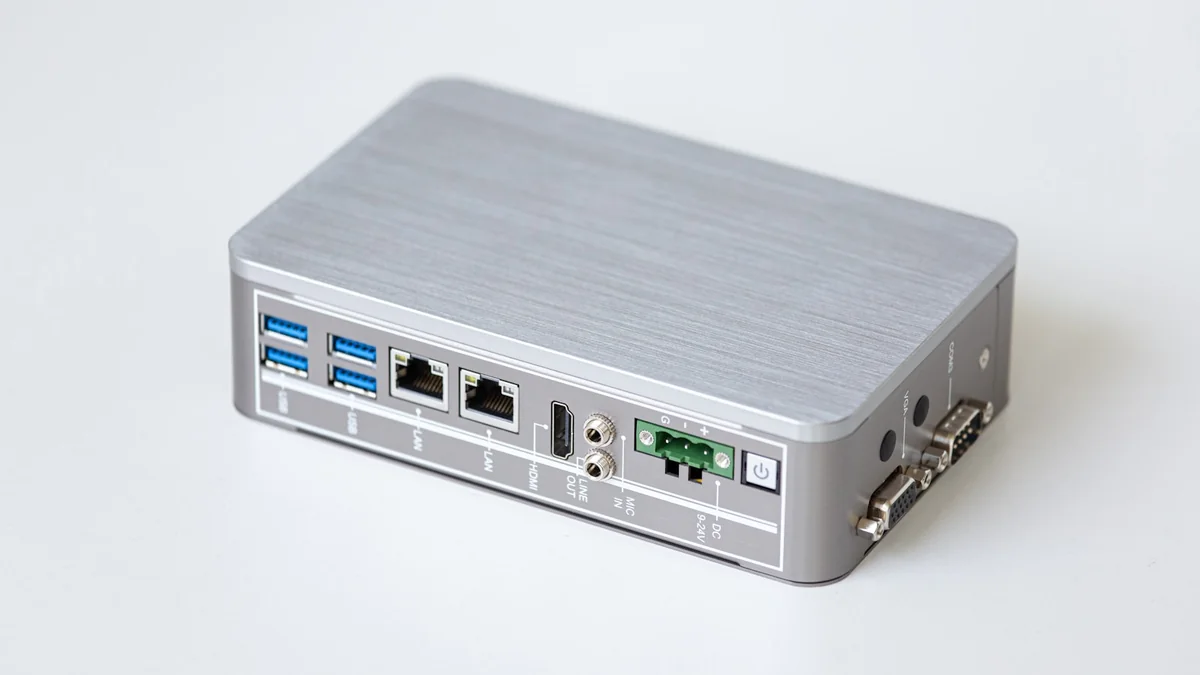
Industrial IoT edge device and connected electronics context
Application contextIndustrial IoT PCBA Development & Manufacturing

Representative engineering and manufacturing context; not a public customer claim or performance guarantee.

Release inputHardware, BOM, firmware, test, and variant rules.
Manufacturing focusCritical process controls tied to the product risk.
Evidence outputInspection, programming, test, and traceability records.
Next decisionShare files, pilot quantity, forecast, and acceptance criteria.

Connectivity as a system

Module, antenna, enclosure, firmware, and interface decisions are reviewed together.

Variant-controlled production

Radio region, SIM or eSIM, labels, firmware, and BOM variants stay linked to the released SKU.

Testable field behavior

Boot, provisioning, communication, recovery, power mode, and interface checks are defined before pilot release.

Applications that fit this vertical PCBA service

The right manufacturing plan depends on the product architecture, field environment, service life, target regions, and evidence expected by the buyer.

Industrial gateways

Multi-protocol gateways linking field devices to Ethernet, Wi-Fi, cellular, or cloud services.

Edge monitoring nodes

Local processing, event logging, and sensor aggregation for equipment and infrastructure.

Connected controllers

Wireless or wired control boards with relays, I/O, motor, power, or HMI interfaces.

Remote asset devices

Low-power connected products requiring identity, firmware, enclosure, and field-update discipline.

Engineering and manufacturing controls to freeze before pilot release

These controls convert a general assembly request into a reviewable release package for engineering, purchasing, quality, and production.

RF and antenna integration

Freeze module, antenna type, keep-out, cable, connector, enclosure position, and regional variant before the representative build.

Provisioning and identity

Define MAC, IMEI, keys, certificates, QR labels, serial rules, and who owns secure production inputs.

Power and recovery

Measure operating and standby current; verify brownout, reconnect, watchdog, reset, and firmware-recovery behavior.

Lifecycle and substitutions

Review module status, approved alternates, firmware compatibility, and requalification triggers before component changes.

Certification, regulatory approval, field performance, calibration authority, and final product compliance remain tied to the buyer-approved design, target market, test method, and named responsibility.

Illustrative short case — not a customer claim

A gateway pilot combines an LTE module, Ethernet, RS-485, Wi-Fi, and local sensor inputs. The initial RFQ identifies the BOM but does not link modem firmware, SIM variant, antenna cable, MAC label, and functional test to each SKU. Before release, the team creates a variant matrix, freezes the provisioning owner, records current limits for boot and idle modes, and adds reconnect and interface checks to the pilot acceptance plan.

Buyer lesson: freeze the product-specific decision inputs and acceptance evidence before the first article; do not rely on a generic “power-on test” or assembly note.

What to include in the RFQ package

Clear files reduce quotation assumptions and make engineering, tooling, programming, inspection, test, and recurring-production costs easier to separate.

Required engineering inputs

  • Gerber or ODB++, BOM, centroid, assembly drawings, and released revision
  • Radio/module part numbers, antenna specification, keep-out and enclosure constraints
  • Firmware image, programming method, identity or provisioning ownership
  • Interface list and functional test procedure for Ethernet, RS-485, CAN, USB, relays, or I/O
  • Power modes, current limits, recovery behavior, environmental and coating requirements
  • Pilot quantity, forecast, product variants, destination regions, labels, and packaging

Commercial and approval decisions

  • Separate prototype, NPI, tooling, fixture, programming, test, special process, packaging, and recurring unit costs.
  • Identify buyer-supplied, consigned, supplier-sourced, and approved-alternate materials.
  • Name the owner for deviations, substitutions, firmware, labels, test limits, and shipment release.
  • Define first-article quantity, evidence package, approval gate, and repeat-order change controls.
  • State open certification, regulatory, environmental, or commercial requirements instead of assuming them.

Start with the Engineering Resource Library + Project Cases + Templates or submit a controlled package through the RFQ workspace.

How the project moves from RFQ to repeat production

1

Release review

Confirm files, revisions, variants, lifecycle, environment, compliance ownership, and open assumptions.

2

Manufacturing plan

Map DFM, sourcing, programming, fixtures, inspection, test, special processes, labels, and packaging.

3

Pilot and evidence

Build the approved quantity, record deviations, verify acceptance evidence, and close first-article actions.

4

Controlled repeat

Retain approved materials, programs, limits, records, and change decisions for later lots and service demand.

Risks to close before volume or field release

Common release gaps

  • Antenna or cable change made without enclosure and range review
  • Module replacement treated as a drop-in BOM substitution
  • Firmware, identity, label, and hardware variant not reconciled
  • Only power-on tested; reconnect, recovery, and interface behavior omitted
  • Security provisioning inputs shared without ownership and access controls
  • Lifecycle plan missing for long-service radio or processor modules

Industrial IoT PCBA Development & Manufacturing FAQ

  • Can you assemble industrial gateways with wireless modules?
    Yes. The RFQ should identify each module, antenna path, firmware, regional variant, enclosure constraint, and required communication test.
  • Can device identity or firmware be programmed during production?
    Programming and identity handling can be planned when the file format, ownership, access method, uniqueness rules, verification step, and release responsibility are defined.
  • How should radio-module substitutions be approved?
    Treat a module change as an engineering decision covering hardware compatibility, firmware, RF path, regulatory impact, power, thermal behavior, and functional retest.
  • What tests are useful for an IoT PCBA pilot?
    Typical pilot checks include programming, boot, current consumption, wired interfaces, wireless connection, provisioning, reconnect or recovery behavior, and product-specific I/O.

Prepare a decision-ready Industrial IoT PCBA RFQ

Send the released files, product variants, pilot quantity, forecast, operating environment, open requirements, and acceptance plan. We will identify the information needed for a manufacturing review and quotation.

PCBA PARTNER is operated by Dongguan Hepin Electronic Technology Co., Ltd.