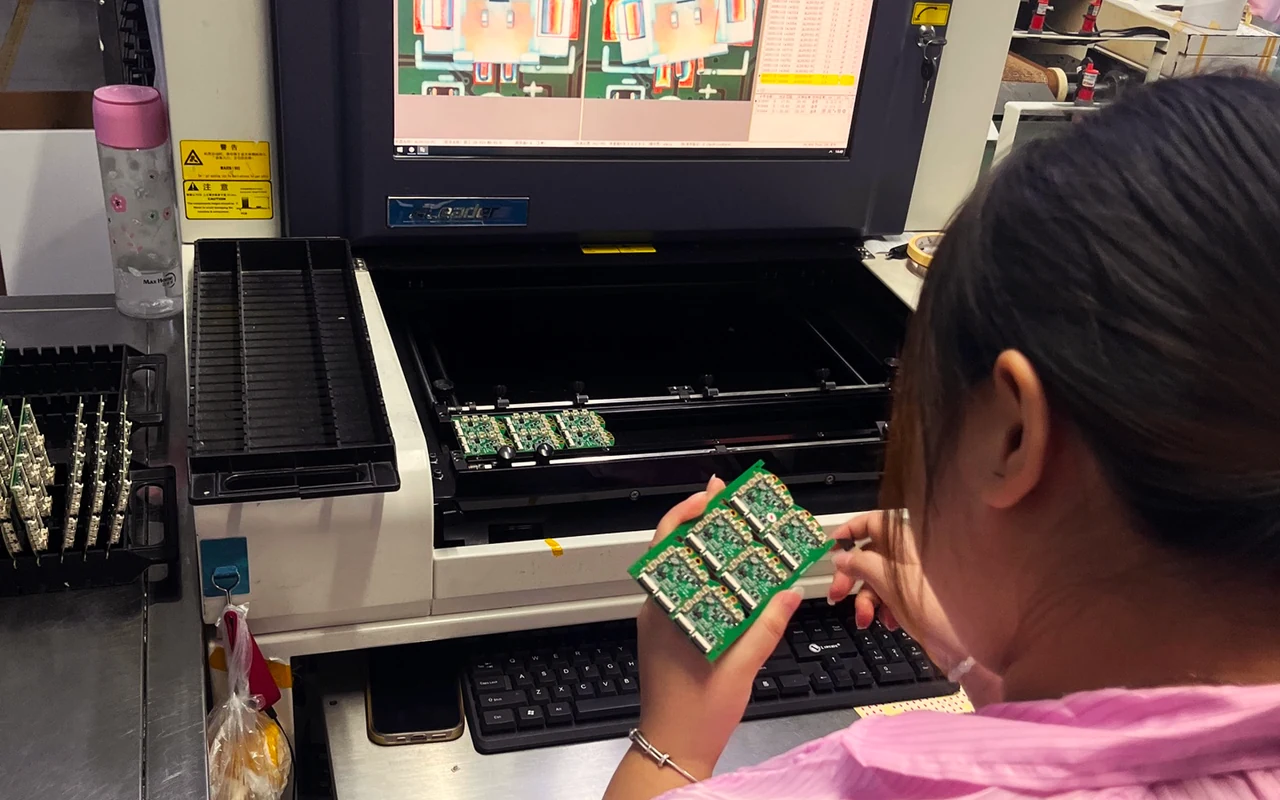
Moisture-sensitive component control is not only a warehouse task. It is a configuration and traceability problem that begins with the exact manufacturer part number and package label, continues through receiving, bag opening, dry storage, SMT loading, partial-reel return, reflow, and rework, and ends with evidence tied to the affected build and lot.
If that chain is broken, a reel can look correctly labeled while its actual exposure history is unknown. The right response is not to guess a new opening time or apply a generic bake recipe. The material should be held while the approved product, packaging, and process information is reconciled.
The IPC/JEDEC J-STD-033D table of contents shows that the standard covers the handling, packing, shipping and use of moisture-, reflow- and process-sensitive devices. The current revision and any applicable product-specific instructions should be verified before creating a shop-floor rule. Texas Instruments and NXP likewise direct users to the package label and product information for MSL, peak package temperature and handling requirements.
Keep shelf life and floor life separate
Shelf life describes storage over a longer period under defined packaging and environmental conditions. Floor life describes the allowed exposure after dry packing is opened and before the relevant high-temperature process. They are related but not interchangeable.
A date code alone does not prove that an opened reel is safe for reflow. Conversely, an older sealed lot is not automatically unusable without reviewing the manufacturer’s storage, packaging and product evidence. The receiving record should keep manufacturing/date-code information, delivery and storage evidence, bag condition, humidity indicator condition, MSL and peak-temperature label information as separate fields.
Freeze identity and label evidence at receiving
For every moisture-sensitive line item, record:
- manufacturer part number and approved source;
- lot/date code and reel, tray or tube identity;
- package type and quantity;
- MSL and peak body temperature exactly as shown by approved evidence;
- moisture-barrier bag, seal, humidity indicator card and desiccant condition;
- receiving disposition and evidence identifier.
Do not copy an MSL from a similar package or an older reel. Package construction, body dimensions, reflow classification and supplier revision can change the applicable instruction. If the label, product record and purchase documentation disagree, hold the material and identify the authority that can disposition it.
Start the exposure record at the real event
The exposure log should begin when the approved dry package is actually opened or when material leaves the qualified controlled environment, according to the approved instruction. Record real timestamps, not a shift estimate added later.
Each transition matters: opening, line issue, line unload, approved dry-storage entry, reseal, another line issue and final consumption. A simple event log makes gaps visible and supports cumulative exposure accounting without pretending that all materials share one allowance.
The downloadable workbook calculates each event duration and combines it with the recorded cumulative exposure before the event. The allowed value remains an input because it must be supported by the product-specific rule. A negative calculated balance is highlighted as a stop-and-review signal, not as an automatic bake instruction.
Resealing does not erase earlier exposure
Putting a reel back into a bag can protect it from additional exposure when the method is approved, but it does not make the earlier time disappear. Preserve the cumulative record and identify the storage method, entry time, package condition and responsible operator.
The same rule applies when material moves between a stockroom, dry cabinet, kitting area and placement line. “Stored” is not sufficient evidence unless the location and method meet the approved conditions and the material identity remains traceable.
Treat unknown history as a hold condition
Consigned or transferred material often arrives with an incomplete opening history. A partial reel may have a correct label and quantity but no trustworthy record of when the original bag was opened, how it was stored, or whether a prior bake occurred.
Do not invent a start time or assume that an intact outer bag proves the internal material remained dry. Ask for the prior exposure/storage record, label images, lot identity and any approved bake or reseal evidence. If the missing evidence cannot be recovered, the named material/process authority should choose and record the disposition.
For broader controls on customer-supplied material, connect this step to the consigned and kitted PCBA operations guide.
Make baking an approved disposition, not a default repair
Baking can be required when approved evidence shows that exposure or humidity conditions exceeded the applicable boundary. It is not a universal reset button. The allowed temperature and duration depend on the device, body thickness, packaging/carrier, exposure condition and applicable approved instruction.
The wrong bake can damage tapes, reels, trays, labels, finishes, components or solderability. Before baking, record the trigger, approved method, temperature, duration, carrier compatibility, authorization, start/end time and post-bake handling requirement. If the device or carrier cannot tolerate the proposed method, keep the material on hold until an alternative is approved.
Manufacturer guidance should be read for the exact product. Texas Instruments’ MSL ratings and reflow profiles explains the relationship between label information, dry-pack opening and production floor life. NXP’s LGA assembly guidance similarly links package-label MSL information, dry packing, humidity indication and product/carrier-specific disposition. Verify the applicable IPC document revision before turning these sources into a controlled instruction.
Link the material record to SMT line handoff
The line handoff should identify the build/work order, board revision, MPN, lot/reel identity, issued quantity, line load time, line unload time, exposure-log reference, returned quantity and final disposition.
This prevents three common gaps:
- a reel returns to stock without its accumulated exposure record;
- material is issued to a different build without confirming the remaining approved allowance;
- a partial reel is resealed but cannot be tied back to the original lot and label evidence.
For BGA and other hidden-joint packages, connect the handling evidence to the BGA assembly and X-ray control guide. MSL discipline reduces package-damage risk before inspection, but it does not replace reflow-profile control, X-ray acceptance or product test.
Include MSL evidence in first-article and lot release
The first-article release should verify that the actual production lot used the approved material identity and handling state. Relevant records may include receiving evidence, exposure events, dry-storage or bake disposition, line issue/return, reflow lot, inspection and functional-test results.
Link the records to the affected board revision, quantity or serial/lot range. The PCBA first-article and pilot-lot guide provides the broader release framework, while the traceability data guide helps define which material and process evidence must remain recoverable.
Download the editable MSL handoff log
The five-sheet workbook separates:
- material intake and label evidence;
- open-bag and controlled-storage exposure events;
- dry-storage, reseal and bake decisions;
- SMT line issue, unload and partial-material return;
- formula-driven release review and approval evidence.
Download the PCBA MSL Material Exposure and Handoff Log.
Yellow cells are editable. Calculated durations and balances are planning aids; they do not replace an approved material instruction or named-authority release.
Practical RFQ handoff
When an RFQ includes moisture-sensitive, consigned or partial-reel material, provide the exact MPNs, source/lot information, package labels, prior opening/storage history, build quantity, expected split lots, reflow scope, handling authority and required records. Identify who can approve an exception before material reaches the line.
Send the controlled file set through the PCBA engineering RFQ so material assumptions, exposure evidence and line-release responsibilities can be reviewed before schedule or quality commitments are frozen.