Short answer: consigned and kitted PCBA works when ownership is explicit. Define who supplies each part category, how shortages and overages are reported before build start, who approves substitutions, and which records close the handoff, then write those rules into the RFQ.
Many buyers think “consigned” means only one process change: you send your parts and the factory handles assembly. In practice, it means your risk model becomes more complex, because materials and ownership cross workflows. If these ownership and control rules are not defined in the RFQ, teams often discover problems during shipment week: missing traceability, unclear substitutions, and delayed launches.
Our experience is clear: consigned/kitted programs work well when the project plan defines four things early—material ownership, inspection entry points, shortage escalation, and evidence handoff. This guide shares a practical operation framework that keeps both procurement and manufacturing teams aligned.
Step 1: Define part ownership by category
Not every component should be treated the same way. A practical first pass classifies parts into two groups:
- Critical customer-owned parts (safety, certification, firmware-related, long-life strategy components). These need strict replacement and approval rules.
- Factory-managed parts (standard components, approved alternates, logistics-friendly commodities). These can follow your normal sourcing rhythm.
The goal is to avoid a mixed bag where critical and commodity parts are managed by the same default policy. If a shared-supply model collapses into “default substitution,” your team loses control at exactly the places you cared most about.
Step 2: Build a shortage communication rule before build start
Shortage handling is not an after-sales issue. It is an RFQ issue. In every consigned project, buyers should define the reporting cycle for three states:
- Green: all critical parts available and verified.
- Yellow: possible short lead risk, with replacement option pre-approved.
- Red: blocked progress due to unavailable critical material with clear ETA and fallback options.
For customer-owned materials, this rule should include who must be informed and how soon, and whether partial lots can continue while a missing critical line is temporarily held.
Step 3: Separate kitted logistics from manufacturing control
Many buyers bundle receiving, storage, and production into one vague handoff and then get confused when returns or leftovers accumulate. A cleaner setup is:
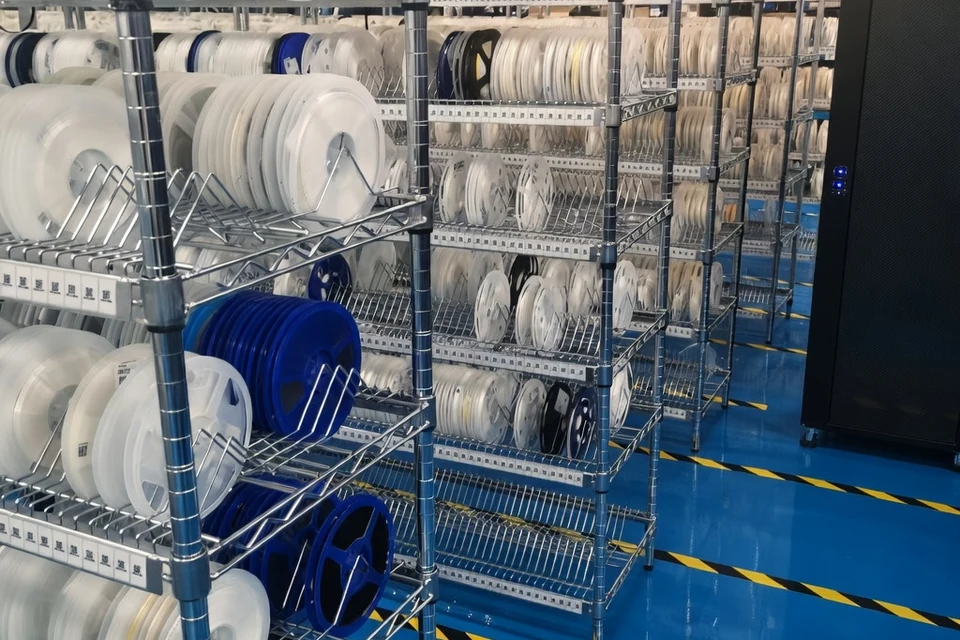
- Incoming material check-in with photos, quantities, and acceptance status.
- Storage assignment by batch and project code.
- Issue-and-use logs for partially consumed kits.
- Lot reconciliation before each pilot or production release.
For OEM teams that run multiple programs, this one design is the difference between clear planning and recurring disputes.
Step 4: Clarify substitution governance
For mixed supply programs, substitute rules must be specific:
- Which parts are absolutely no-substitute.
- Which parts allow alternate approval by email, written ticket, or pre-approved list.
- Who approves substitutions and within which production window.
- What evidence must be submitted before and after substitution.
Without this, “alternative sourcing” often becomes silent scope creep. The manufacturing team may try to keep the line moving while the buyer later discovers unacceptable material drift.
Step 5: Document handoff evidence from line to records
When buyers use consigned materials, the evidence package should include:
- Project bill-to material with ownership tags
- Material receive log with batch identifiers
- Usage summary by lot and date
- Rework, MSL, and exception records tied to revision and timestamp
- Final shipment evidence and remaining inventory status
This is especially important for regulated or mission-critical programs, where audit readiness must be maintained throughout execution.
For moisture-sensitive consigned parts, add the MSL material exposure and line-handoff record so opening history, storage, bake disposition, issue/return, and remaining material stay tied to the exact lot.
Step 6: Tie it back to RFQ structure
Consigned and kitted workflows are not just execution tasks; they affect RFQ quality and pricing. Include clear fields for part ownership, alternates policy, inspection frequency, packaging, and storage rules so your supplier can propose realistic lead times and better control cost.
If you need a practical reference, align your request to: workflow planning, quality records, and your service selection at Consigned / Kitted PCB Assembly.
Practical checklist before launch
- Upload a categorized material list with ownership labels.
- Confirm shortage reporting format and escalation SLA.
- Define alternates for each non-critical part and approval path for critical parts.
- Set storage and leftover policy before line start.
- Ask for traceable usage reports and residual inventory records.
For global OEM teams, this framework usually improves both launch stability and communication quality. If it is clear on day one, execution usually stays smooth through the whole run.