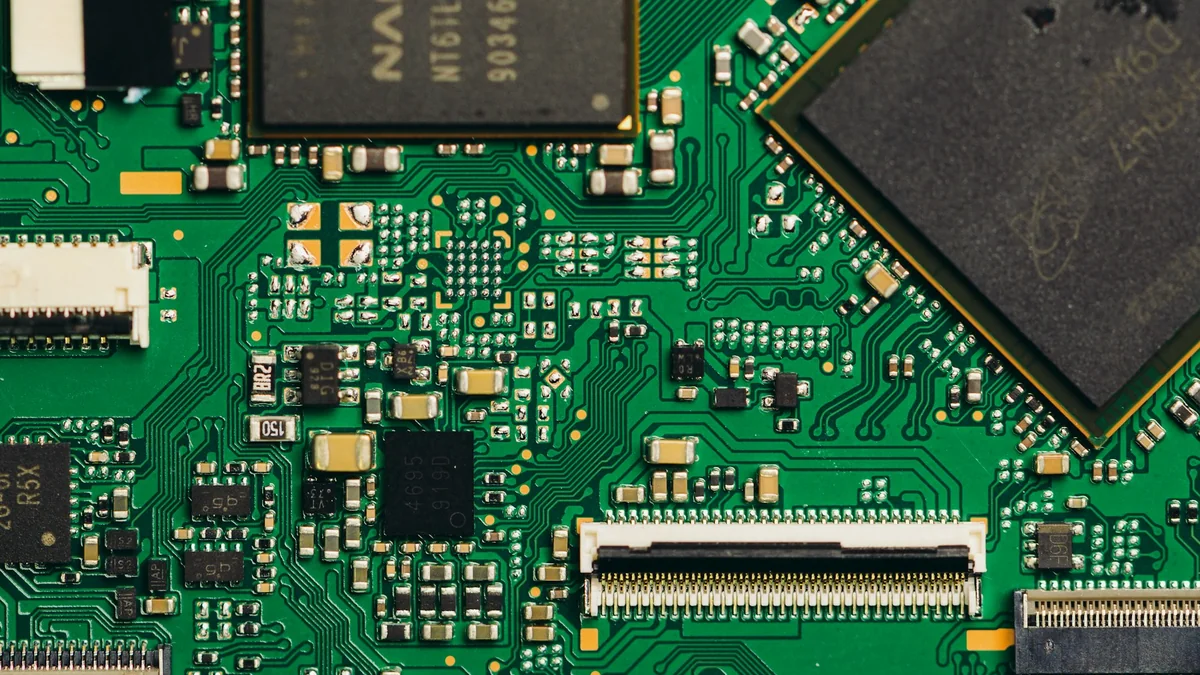
Turnkey PCBA makes sense when one manufacturer should own fabrication, sourcing, assembly, inspection, and agreed testing so revisions do not diverge across suppliers. Compare that path with split or consigned models when you need purchasing leverage, IP boundaries, or customer-owned material. For China execution, start from the turnkey PCB assembly in China service page.
Many hardware teams coordinate a PCB fabricator, component distributors, an assembly factory, a test-fixture supplier, and sometimes a separate box-build partner. That structure can work, but every handoff creates another place where revisions, approved alternates, quantities, or delivery assumptions can diverge. Turnkey PCBA places fabrication, sourcing, assembly, inspection, and agreed testing under one project scope and one accountable manufacturing interface.
The model is not automatically cheaper or safer for every program. Its value depends on BOM stability, customer purchasing leverage, intellectual-property boundaries, test maturity, forecast confidence, and the records required after shipment. The practical decision is therefore not “turnkey or not?” but “which responsibilities should sit with one manufacturing owner, and which should remain under customer control?”
Turnkey PCBA versus a split-supplier model
| Decision area | Turnkey model | Split-supplier model |
|---|---|---|
| Engineering communication | One team coordinates DFM, BOM questions, assembly, and test release. | The customer reconciles feedback from several suppliers. |
| Material ownership | The manufacturer sources against the approved BOM and agreed alternates. | The customer or nominated distributor buys and consigns parts. |
| Schedule control | PCB, component, stencil, fixture, and line dates can be planned together. | Each supplier may optimize its own date while the customer manages dependencies. |
| Commercial visibility | Pricing is consolidated, so assumptions and exclusions must be made explicit. | Line-item purchase prices are visible, but coordination and inventory costs sit elsewhere. |
| Change control | One release process can connect BOM, Gerber, firmware, test, and work instructions. | The customer must ensure every supplier receives the same approved revision. |
Where a single engineering window reduces risk
A turnkey partner can close cross-functional questions before they become production escapes. A footprint concern found during DFM may affect stencil design and inspection strategy. A component alternate may change polarity marking, reflow limits, firmware behavior, or functional-test limits. When these decisions are handled in one controlled project record, the released BOM, placement data, assembly drawing, test instruction, and shipment label are less likely to drift apart.
This coordination matters most when the build contains fine-pitch packages, BGAs, moisture-sensitive devices, programmed components, controlled-impedance boards, conformal coating, custom cables, or serial-number traceability. It also matters during NPI, when engineering changes are frequent and the first build is expected to produce both hardware and evidence for the next revision.
Procurement: compare total exposure, not only unit price
The lowest quoted component price does not always produce the lowest landed build cost. Buyers should compare minimum order quantities, date-code or traceability requirements, freight, attrition, excess inventory, exchange-rate exposure, and the cost of stopping a line for a missing part. A useful turnkey quotation separates confirmed material, approved alternatives, risk items, and assumptions rather than hiding everything inside one total.
- Provide manufacturer part numbers, approved alternates, and do-not-substitute lines.
- State whether the project allows franchised distribution only or another documented sourcing route.
- Agree who owns unused reels, minimum-order excess, and material held for repeat releases.
- Define storage and floor-life controls for moisture-sensitive components before the purchase order.
- Review lifecycle, lead-time, and allocation risks before freezing the production date.
Quality evidence should be part of the RFQ
“AOI included” is not a complete quality plan. The RFQ should state the workmanship class, acceptance criteria, inspection gates, test coverage, record retention, and approval points that apply to the product. For one program, visual inspection and a basic power-on check may be sufficient. Another may require solder-paste inspection, AOI, X-ray for hidden joints, programming logs, functional-test results, serialized labels, and a controlled first-article approval.
Ask which records will be delivered, which remain available on request, and how they connect to the build lot or serial number. The goal is not to collect documents for their own sake; it is to preserve enough production memory to diagnose a failure, approve a change, or repeat a successful build months later. The IPC Class 2 versus Class 3 guide provides a starting point for workmanship and inspection discussions.
When turnkey is usually a strong fit
- The customer has complete or reviewable Gerber, BOM, centroid, drawing, and test inputs but does not want to manage daily supplier handoffs.
- The build needs coordinated PCB fabrication, component sourcing, SMT/THT assembly, programming, inspection, and shipment.
- The team is moving from prototype to repeat low-volume production and wants the same revision and process knowledge to carry forward.
- There are multiple material or process risks that must be resolved before a credible delivery date can be committed.
- The buyer needs one project owner to report confirmed scope, open decisions, blockers, and release evidence.
When a hybrid or consigned model may be better
Turnkey is not the only disciplined model. Customer-supplied components can be appropriate when the OEM has global pricing agreements, controlled or security-sensitive devices, licensed modules, programmed parts, or existing inventory that must be consumed. A hybrid plan may consign those items while the assembler purchases standard passives, connectors, PCB fabrication, and production consumables.
The important control is an agreed responsibility matrix. It should name who purchases each material group, who verifies shortages, who approves alternates, who carries attrition, and how nonconforming or excess material is handled. Teams considering this path can compare the consigned and kitted PCB assembly model with a full turnkey PCB assembly service.
A practical pre-award checklist
- Freeze the quotation baseline. Identify the exact Gerber, BOM, centroid, drawings, firmware, and test-document revisions used for pricing.
- Expose exclusions. Confirm whether fixtures, programming, X-ray, coating, cables, enclosure work, packaging, freight, and duties are included.
- Review material assumptions. Record approved alternates, source restrictions, MOQ exposure, lead times, and ownership of excess stock.
- Define acceptance. Agree workmanship class, inspection depth, test method, sample size, and the evidence needed for release.
- Set change authority. Name who can approve a component, PCB, process, firmware, or test-limit change.
- Plan the next build. Decide which records, tooling, programs, and remaining materials must be retained for repeat production.
What to send for a reviewable turnkey RFQ
A useful first package includes Gerber or ODB++, fabrication notes, BOM with manufacturer part numbers, centroid data, assembly drawings, polarity notes, quantity breaks, target date, shipment destination, and the required inspection or functional-test scope. If some files are incomplete, label them as preliminary and list the decisions still open. That lets the manufacturing team separate confirmed cost from engineering assumptions instead of presenting a falsely precise quotation.
For products that continue beyond the PCBA, include enclosure drawings, cable schedules, label artwork, firmware-loading instructions, final-test requirements, accessories, and packaging specifications. The box build RFQ operations guide explains how to define those finished-product handoffs.
The decision rule
Choose turnkey PCBA when consolidated ownership removes more coordination risk than it adds commercial concentration. Choose a hybrid or split model when the customer has a clear advantage in controlled material, specialist processing, or supplier governance—and has the internal resources to manage every interface. In either case, a strong result comes from a frozen baseline, visible assumptions, named decision owners, and production evidence tied to the released build.