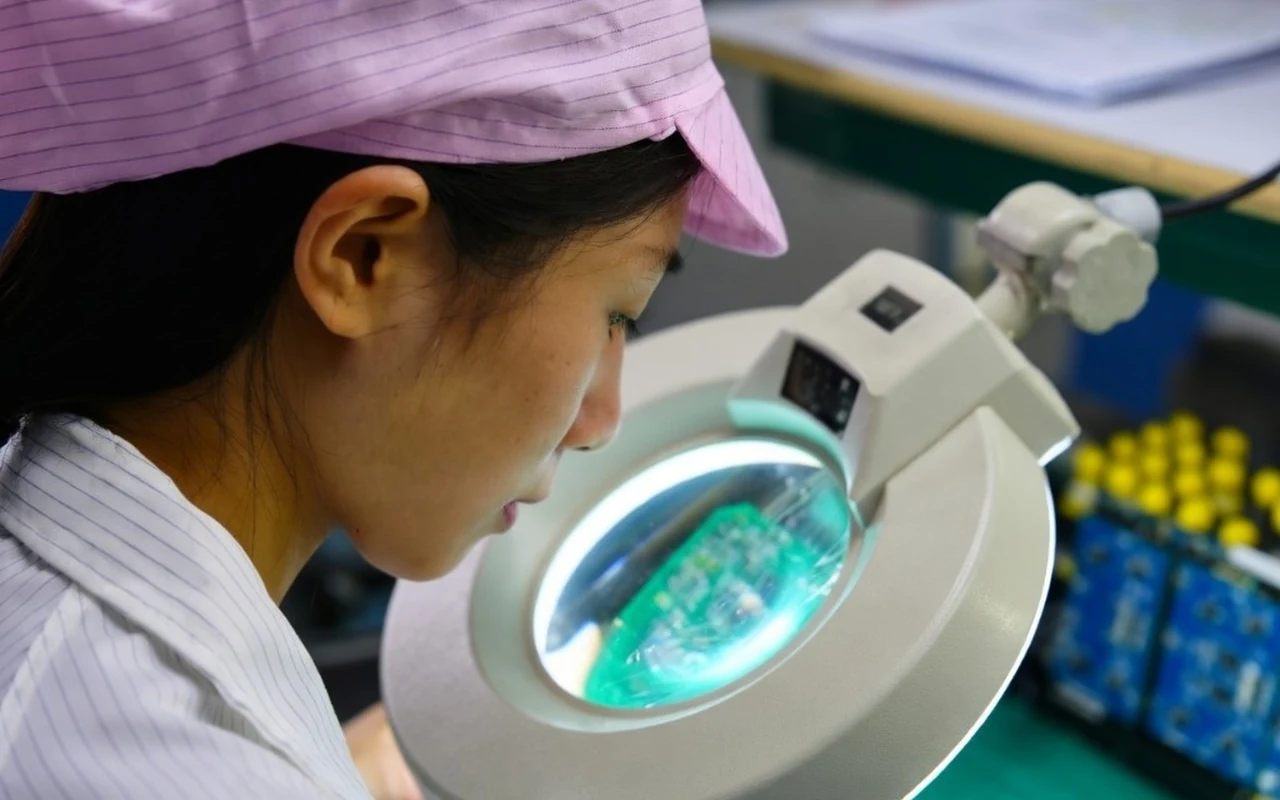
The transition from prototype to low-volume production is where many hardware programs lose time. The prototype may work, but production still needs stable files, controlled materials, repeatable processes, test coverage, and clear ownership of changes. This gap is the heart of NPI risk.
Separate learning builds from release builds
Early prototypes are meant to discover issues. Low-volume production is meant to repeat a controlled process. Treat them differently. Before ramp, freeze the data package or clearly document which items remain open. Every open item should have an owner and a decision date.
Convert prototype notes into production controls
Prototype feedback should become action: stencil adjustment, BOM correction, test fixture update, packaging change, or work instruction note. If lessons remain in emails, the next build may repeat the same issue.
Stabilize sourcing before volume commitment
A prototype can sometimes use spot-market parts. Low-volume production needs repeatable sourcing. Confirm alternates, lead times, minimum order quantities, MSL handling, and customer approval requirements before committing delivery dates.
Define pilot acceptance criteria
- First-pass yield target
- Top defect categories and closure actions
- Functional test pass rate and failure-code rules
- Documentation package for customer review
Practical takeaway
A smooth ramp depends on disciplined handoff. PCBA PARTNER supports prototype PCB assembly, DFM review, pilot builds, and repeat low-volume production so customers can scale with fewer surprises.
Related release gate: Before releasing the remaining pilot units, connect the controlled NPI package to first-article evidence and named approval roles. Use the PCBA First Article Inspection guide and editable checklist.
Keep the schedule assumptions with the readiness review. The prototype build scheduling guide covers file readiness, material availability, fixture scope and approval decisions that must be resolved before a build slot can be confirmed.