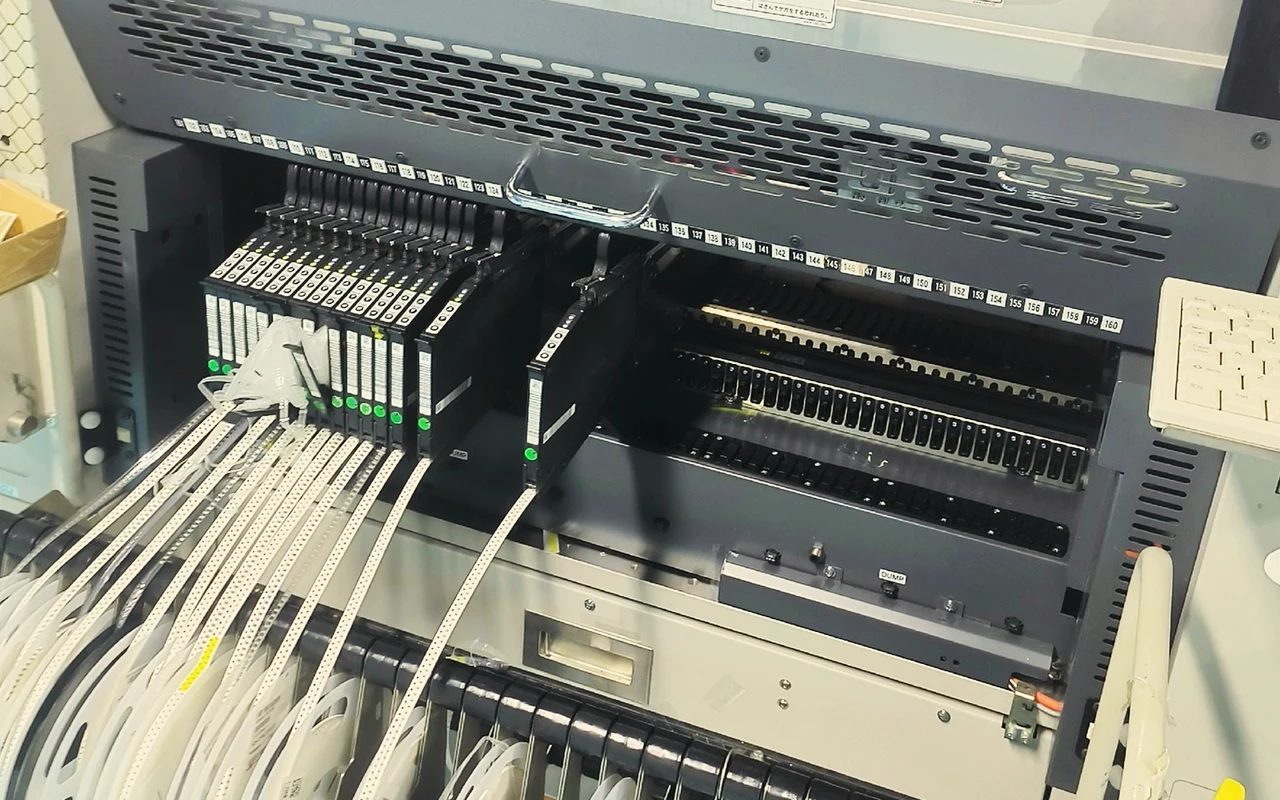
Short answer: to keep low-volume PCBA in China on cost and schedule, send a complete RFQ package, close BOM sourcing risks before the build, run DFM before SMT, approve a first article before releasing the lot, and size testing and traceability to the product. Treat it as a production discipline, not a larger prototype.
Low-volume PCBA manufacturing sits in a difficult middle ground. It is no longer a quick prototype build where the goal is simply to prove a circuit works, but it is also not yet a mature mass-production program with stable demand, locked documentation, mature fixtures, and years of yield data. For buyers, this is where many hidden risks appear: unclear BOM ownership, late DFM changes, expensive component shortages, weak test coverage, and delivery dates that move after the purchase order is already released.
A reliable low-volume PCB assembly partner should do more than place components. The supplier should help your engineering and purchasing teams turn a build request into a controlled production package. That means reviewing files, flagging material risk, validating the SMT process, defining test scope, recording changes, and packaging boards for safe export delivery. This guide explains what overseas buyers should check before choosing a low-volume PCBA manufacturer in China.
Low volume is a production discipline, not a small prototype
Many teams treat low-volume builds as a larger prototype order. That approach creates trouble. A prototype may allow manual workarounds, temporary components, incomplete test steps, and engineering notes shared through email. A low-volume production run needs repeatability. If 50, 100, or 500 boards are being shipped to pilot customers, distributors, field trials, or early revenue programs, each board needs to be built under a known process.
The difference is intent. A prototype answers, "Does the design function?" A low-volume build answers, "Can this design be manufactured, inspected, tested, packed, and repeated with controlled risk?" Buyers should make that intent clear in the RFQ. If the goal is engineering validation, say so. If the goal is customer shipment, the supplier should treat documentation, testing, labeling, and packaging more seriously.
Start with a complete RFQ package
The fastest way to reduce quote errors is to send a complete data package. At minimum, include Gerber or ODB++ files, BOM with manufacturer part numbers, centroid file, assembly drawing, quantity breaks, target delivery date, test requirements, and any packaging instructions. If the product has firmware loading, calibration, serial-number labels, conformal coating, or enclosure fit requirements, include those notes at the beginning.
A good supplier should be able to connect this package to a clear project path. For example, PCBA PARTNER separates turnkey, prototype, low-volume, BGA, box build, and consigned assembly options in our RFQ service paths. That helps buyers clarify which sourcing model, test depth, documentation level, and delivery expectations belong to the project before pricing is finalized.
When the RFQ is incomplete, the quote may still look attractive, but it often contains assumptions. Those assumptions can turn into extra cost later: fixture NRE, programming labor, special packaging, component price changes, or additional inspection. A slightly slower quote based on complete information is usually safer than a fast quote based on guesses.
Control BOM sourcing before the build begins
Component sourcing is often the biggest cost and schedule variable in low-volume PCBA. Small production quantities can be difficult because some components have minimum order quantities, limited distributor stock, long lead times, or date-code requirements. Buyers should ask whether the supplier is pricing from authorized channels, approved distributors, customer-consigned parts, or mixed sourcing.
For a turnkey build, the BOM should identify no-substitute items and flexible items. A microcontroller, radio module, sensor, safety component, or firmware-sensitive IC may need exact MPN control. Common resistors, capacitors, LEDs, connectors, and passives may allow approved alternates if electrical and mechanical requirements are maintained. This distinction gives the sourcing team room to reduce cost without creating uncontrolled risk.
Ask your supplier to flag obsolete, NRND, broker-only, long-lead, and high-price components before the order is released. For repeat low-volume production, it is also useful to discuss leftover material handling. If the supplier buys reels for a 100-board build, what happens to unused stock? Is it reserved for your next order? Is it tracked by project? Is it returned? These small questions matter when the same product will be rebuilt every month or every quarter.
Use DFM to protect yield before SMT
Low-volume production still needs manufacturing review. Stencil design, pad geometry, polarity marks, panelization, fiducials, tooling holes, component spacing, edge clearance, and thermal balance all affect the SMT process. Because quantities are smaller, teams sometimes skip DFM review to save time. That is usually a false economy. One stencil or panel issue can consume more time than the review would have taken.
The best review happens before boards and components are ordered. A supplier experienced in SMT and THT assembly should ask about board finish, solder mask color, fine-pitch ICs, BGA or QFN packages, bottom-side components, tall components, selective solder needs, and hand-soldering risk. If your product will later scale to higher volume, the review should also consider whether early low-volume decisions will remain practical at ramp.
DFM is not about criticizing the design. It is about making the build easier to repeat. Buyers should welcome clear questions from the factory. A supplier that asks detailed questions before quoting is often showing stronger process control than a supplier that only returns a price.
Define pilot controls and first article approval
Every low-volume build should have a first article process. The first article confirms that materials, placement orientation, solder results, inspection programs, and test steps match the released data. For simple boards, this may be a focused inspection checklist. For complex boards, it may include SPI data, AOI screenshots, X-ray review, programming confirmation, functional test results, and customer approval before the remaining quantity is released.
Ask what will stop the line. If polarity is unclear, if one component is substituted, if a reflow profile needs adjustment, or if an AOI program reports repeated defects, who approves the change? Low-volume builds are close enough to engineering that teams may be tempted to solve issues informally. That is dangerous if the build is going to customers. Decisions should be recorded.
PCBA PARTNER uses a milestone-driven production workflow from engineering review to sourcing, assembly, inspection, testing, and logistics. You can see how that flow is organized in our manufacturing workflow.
Right-size the test plan
Testing is where many low-volume programs under-specify the real requirement. A supplier may include AOI and visual inspection, but that does not prove the board works. Functional testing may require firmware, cables, software tools, fixtures, communication protocols, load conditions, calibration steps, or serial-number tracking. If these are not described in the RFQ, the quote may exclude them.
The right test plan depends on product risk. A simple LED controller may need power-on verification and key output checks. An industrial control board may need input/output simulation, communication testing, temperature-related checks, and logging. A medical or automotive-related PCBA may require more traceability and stricter change control. The goal is not to make every project expensive. The goal is to define what failure would be unacceptable and then test for that risk.
For early builds, flexible bench testing may be enough. For repeat low-volume production, a dedicated fixture can improve consistency and reduce cycle time. Buyers should ask when fixture investment becomes sensible. If a product will be reordered many times, fixture cost may pay back quickly through faster testing and fewer escapes.
Traceability matters even at low volume
Traceability also matters in low-volume work. These builds often go to pilot customers, field trials, engineering validation, or first revenue shipments. If a problem appears later, buyers need to know which BOM revision, firmware version, process settings, material lots, and test results were tied to that shipment.
At minimum, request work order records, build date, BOM revision, PCB revision, key component lot notes, inspection result, test result, rework history, and shipment quantity. For higher-risk projects, link serial numbers to test logs and material lots. Our quality records page explains the kind of information that can support containment, audits, and repeat production improvement.
Packaging and export delivery are part of quality
A low-volume build can pass every factory test and still arrive damaged if packaging is weak. Buyers should define ESD packaging, moisture barrier bags where needed, foam support, tray orientation, carton labeling, humidity indicators, and shipment method. Boards with tall connectors, fragile displays, heatsinks, or cable assemblies may need custom protection.
For overseas buyers, export logistics should be discussed before shipment week. Clarify Incoterms, courier preference, HS code support, declared value, packing list format, and whether partial shipment is acceptable. A supplier that coordinates packaging and logistics well can prevent delays after production is complete.
Supplier questions that reveal real capability
- Can you review Gerber, BOM, centroid, assembly drawing, and test requirements together before quoting?
- How do you separate no-substitute components from approved alternates?
- What first article evidence can be shared before batch release?
- Do you support SPI, AOI, X-ray, ICT, flying probe, or functional testing as needed?
- How are rework, deviations, and engineering changes recorded?
- How do you store unused customer material or leftover turnkey stock for repeat builds?
- Can you support prototype, low-volume, and future ramp without changing the whole supply chain?
Practical takeaway
A low-volume build needs controlled files, sourcing decisions, first-article checks, suitable testing, traceable records, and export packaging. PCBA PARTNER reviews these items with OEM teams moving from prototype validation into repeat production. If you are preparing a build, send Gerber, BOM, centroid, assembly drawings, quantities, and test notes, and our team can help turn the RFQ into a manufacturable plan.