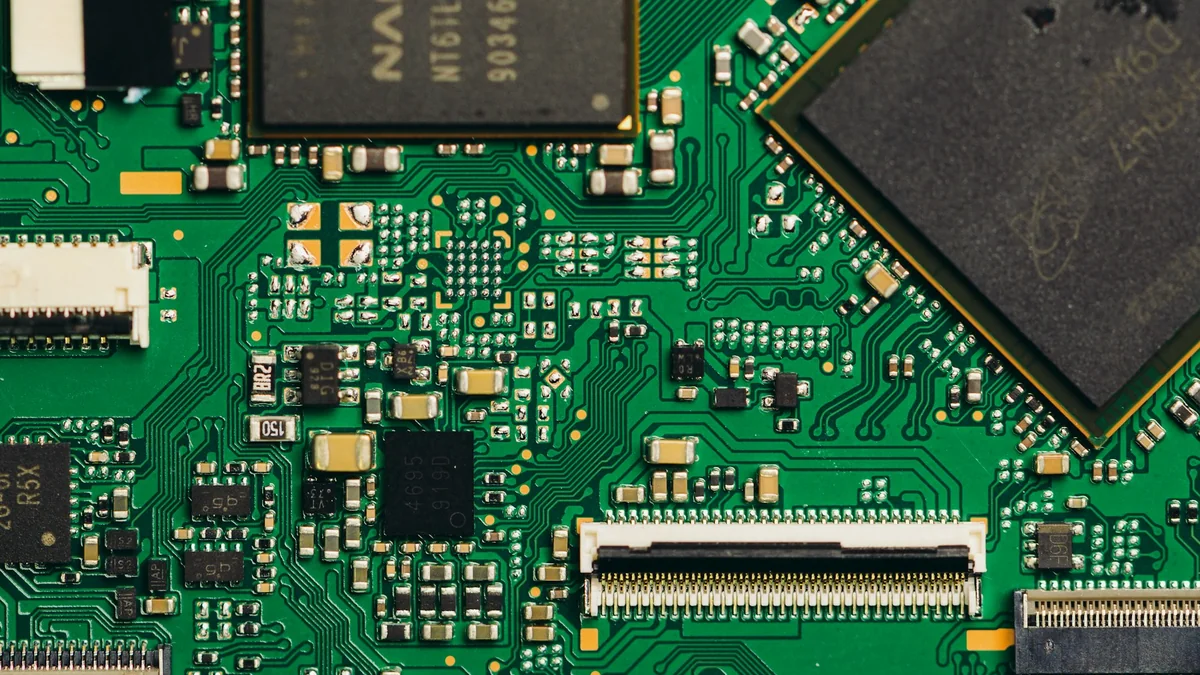
A strong BOM is more than a parts list. For turnkey PCB assembly, it becomes the shared contract between engineering, sourcing, quality, and production. Small gaps in BOM structure can create delays, wrong substitutions, or avoidable price variance.
Start with one controlled BOM revision
Before procurement begins, freeze a revision and make sure it matches the schematic, PCB files, and assembly drawing. If engineering changes are still open, mark them clearly so the supplier does not buy parts against unstable demand.
Include data that sourcing actually needs
- Manufacturer name and full MPN
- Package, value, tolerance, voltage, and power rating
- Quantity per assembly and reference designators
- No-substitute marks for critical ICs, sensors, and safety parts
- Approved alternates with validation status
Separate cost flexibility from engineering approval
Alternates reduce shortage risk only when they are controlled. Define which parts can be sourced flexibly and which require written approval before purchase. This protects quality while still giving procurement room to solve availability problems.
Flag long-lead and lifecycle risks early
MCUs, communication modules, power devices, displays, and connectors can drive the entire schedule. Ask your EMS partner to screen lifecycle status, lead time, MOQ, and counterfeit exposure before the quote is treated as final.
Practical output
The best BOM for a managed turnkey PCBA build lets the supplier return a quote with clear material assumptions, alternate options, and risk notes. That is more valuable than a low initial number that changes after sourcing starts.
Before releasing the files, compare populated references, quantities, DNP instructions and placement units. The BOM and placement consistency experiment provides synthetic input files and explains what an automated comparison can and cannot establish.