WELL-04 · Wellness Electronics
Air-Compression Heated Eye Massager PCBA
A representative multi-actuator platform for sequenced air compression, regulated warming, optional vibration or audio, rechargeable operation, and fail-safe pressure release.
Project context
How this product is typically engineered
A representative multi-actuator platform for sequenced air compression, regulated warming, optional vibration or audio, rechargeable operation, and fail-safe pressure release.
System architecture
Typical architecture
A battery-powered MCU drives a micro-pump, valves, heater, and optional audio or vibration loads through protected outputs, while pressure, temperature, current, and battery feedback govern the treatment sequence.
Engineering risks to resolve
Decisions to close before release
- Create smooth, balanced pressure cycles while controlling pump noise and leakage sensitivity.
- Prevent pump startup current from disturbing temperature sensing, audio, or wireless logic.
- Guarantee heat shutdown and rapid depressurization after power, sensor, or firmware faults.
Validation plan
Checks to define before production
- Use a controlled-volume headform to record inflation slope, peak pressure, leakage, and release time per channel.
- Map warm-surface temperature, left-right uniformity, NTC faults, and blocked-heat conditions.
- Run pump, valve, fold-hinge, harness, charge-discharge, and combined thermal-pressure endurance cycles.
What to put in the RFQ
Files and records to agree before quoting
Use this list to agree the build inputs and release records for a similar product. The final set depends on the project.
Design baseline
Released schematic or block diagram, interface table, power states, critical constraints, and revision owner.
Manufacturing release
Gerber or ODB++, stack-up, centroid data, assembly drawings, approved DFM dispositions, and panel assumptions.
Material control
Released BOM revision, manufacturer part numbers, AVL or alternate rules, no-substitute lines, MSL handling, and exception approvals.
Validation record
Test method, acceptance criteria, sample or serial identity, measured result fields, and disposition. Example scope: Use a controlled-volume headform to record inflation slope, peak pressure, leakage, and release time per channel.
Production release
First-article status plus the agreed SPI, AOI, X-ray, ICT, FCT, programming, rework, OQA, labeling, and packing records.
During RFQ review, we confirm the required fields, sampling, limits, approvals, and record-retention period. Confidential project information stays within the agreed access rules.
Development and production controls
Typical manufacturing scope
- Sequenced pump and valve control.
- Closed-loop warming and fault release.
- Optional audio, vibration, and wireless integration.
Technical image review
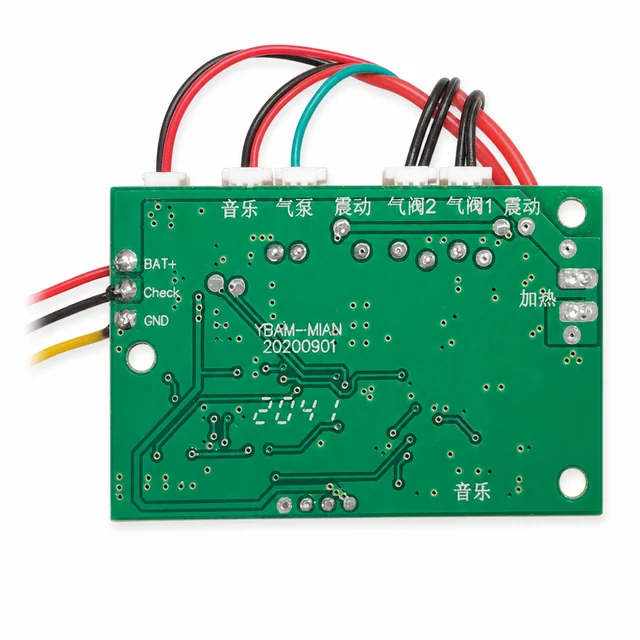
Board-level evidence
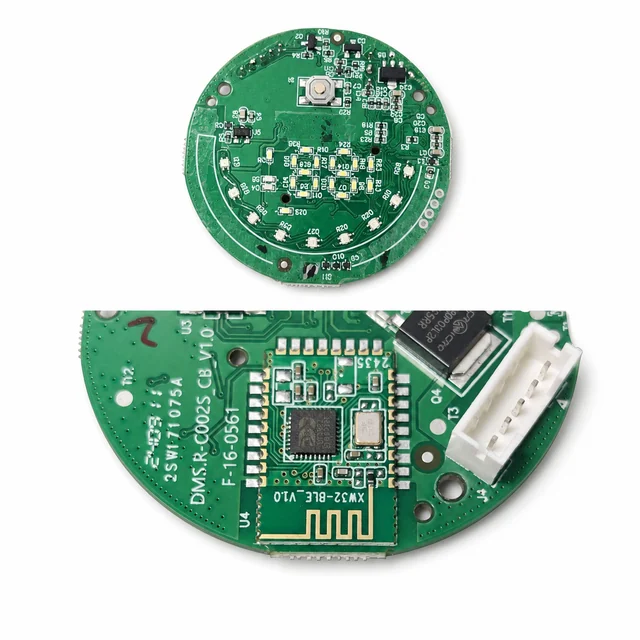
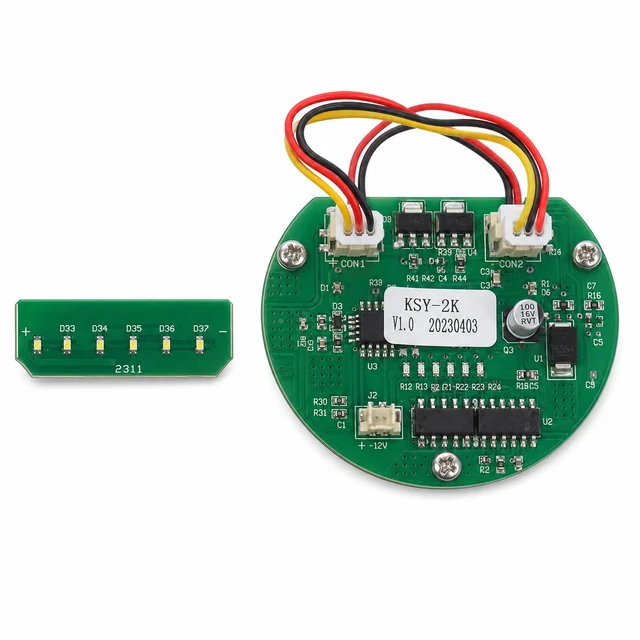
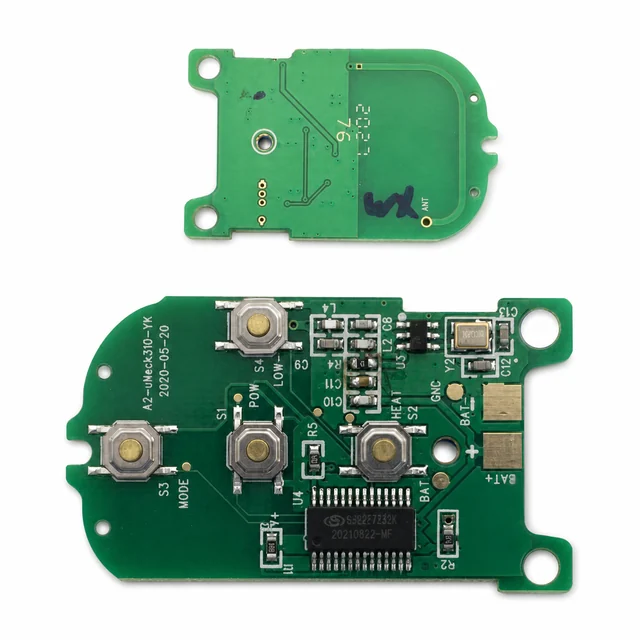
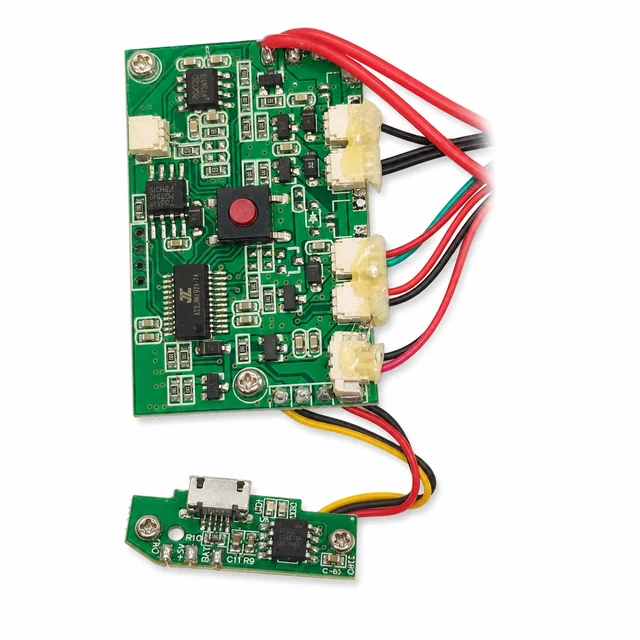
White-background views are published to make component placement, interfaces and assembly boundaries easier to inspect.