Who supplies the materialsDefine buyer-supplied, factory-sourced, shortage, excess, and return rules.
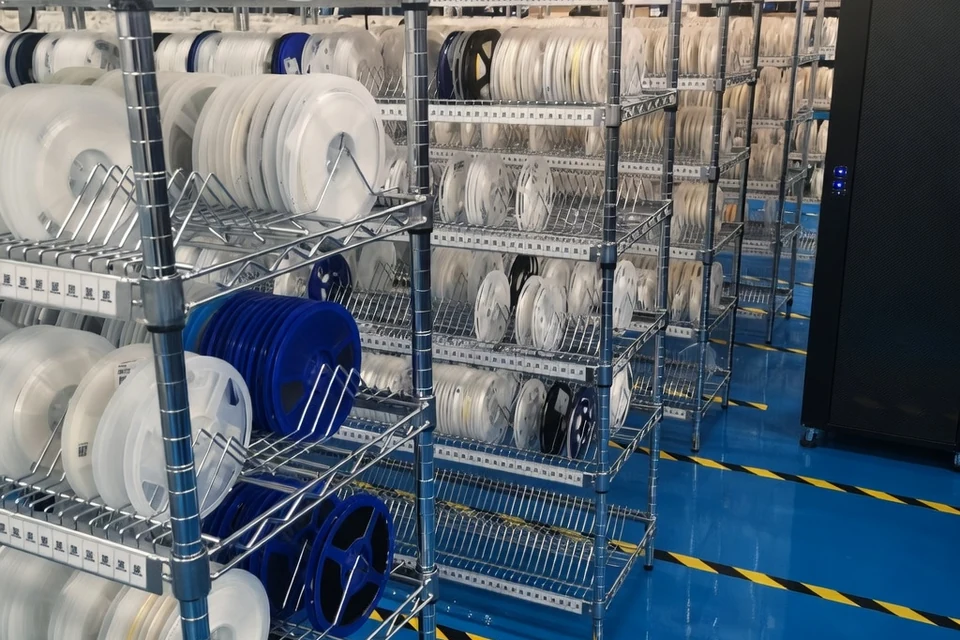
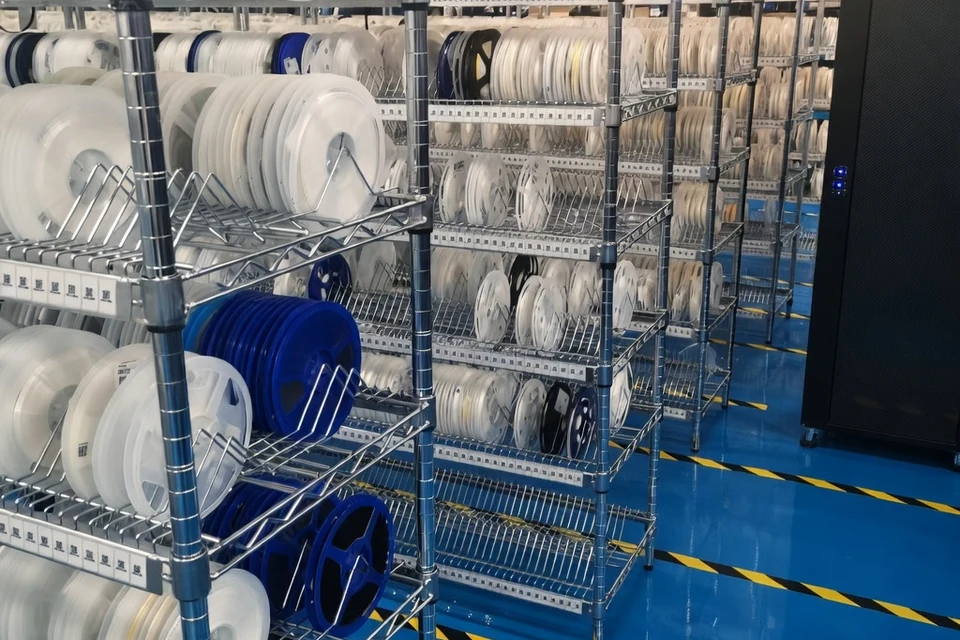
Kit readinessCheck quantity, labels, reels, MSL, packaging, and BOM match before line release.
Shortage visibilityReport missing or damaged materials before they stop production.
Next decisionSend BOM responsibility notes, kit list, and inbound schedule.
Flexible responsibility
You can supply the key parts while we source the standard ones, or send a complete kit.
Incoming visibility
We check your reels, trays, tubes, labels, moisture-sensitivity status and any shortages before production starts.
Cleaner accountability
Before we start, we write down who owns what, what happens to leftover parts, who approves substitutes, and who covers a shortage.
When consigned or kitted assembly makes sense
It works well when your purchasing strategy, certification or inventory rules mean you need to own part of the supply chain.
Strategic component control
You keep who owns key ICs, allocated parts, programmed devices and qualified components.
Partial turnkey programs
We source common components while you supply sensitive or already-stocked materials.
Prototype and NPI kits
Engineering teams can ship kits for fast assembly while sourcing strategy is still evolving.
Regulated or trace-sensitive products
Parts you've approved stay yours and are released to the line only as agreed.
A cleaner handover of your materials
Customer-supplied material goes smoothly when responsibility, shortages and who inspects what are settled before the parts arrive.
Capability range
Full consigned, full kitted, partial turnkey, and mixed sourcing
Key ICs, programmed parts and qualified components that you supply
Factory sourcing for standard components when needed
Prototype, low-volume, and repeat assembly lots
Testing and controls
Incoming quantity, label, packaging, and MSL review
BOM showing who supplies each line, plus shortage reports
Material mismatch, damage, and substitute-sensitive checks
Usage, excess, scrap, and return handling when required
Buyer deliverables
Kit readiness and shortage notes
Who supplies the materials record
Incoming issue report when applicable
Closeout notes for used and remaining parts
Kit receiving and storageCustomer-owned reels need identity, quantity, condition, and shortage status recorded before line release.Incoming and assembly checksVisible condition, package match, polarity, and workmanship are reviewed against the supplied kit record.
What to share for an accurate RFQ
Complete files help us return a cleaner quotation with fewer assumptions and fewer hidden changes later.
Files and project details
Gerber or ODB++ package
BOM that marks each line as customer-supplied, sourced by us, or optional
Centroid and assembly drawing
Kit list, packing list, reel IDs, MSL status, and excess quantity plan
Approved substitutions and shortage escalation rules
Inbound shipping schedule, customs notes, and receiving contact
Decisions to confirm early
Define who owns shortage risk for each BOM line
Confirm minimum excess quantity for machine setup and attrition
Agree MSL, bake, dry-pack, and storage handling
Confirm return, scrap, or retain rules for excess materials
Define what happens when supplied parts fail incoming inspection
How the manufacturing workflow runs
We settle open questions before production starts and keep the records you'll want for repeat orders.
1
Responsibility mapping
Each BOM line is marked by supply responsibility and approval authority.
2
Incoming kit check
Parts are checked for quantity, labeling, packaging, MSL status, and obvious mismatch risks.
3
Shortage resolution
Missing, damaged or substitute-sensitive parts are reported to you before production is released.
4
Assembly and reconciliation
Build records, usage, shortages, and remaining material status are organized for closeout.
How we keep kitted builds from going wrong
The biggest risk in consigned assembly is confusion. When every part is clearly identified and everyone knows who owns it, there are fewer delays and fewer disputes.
Kit identity checks
Part numbers, labels, reel IDs, quantities, and packaging are checked against the BOM.
Moisture-sensitive handling
MSL parts are identified so storage, baking, and floor-life expectations can be managed.
Shortage reporting
Missing or insufficient materials are reported before they stop the line.
Material reconciliation
Used, remaining, scrapped, or returned parts can be summarized according to the agreed process.
What you get for consigned material
Customer-supplied material goes smoothly when responsibility, shortages, leftovers and who inspects what are settled before the parts arrive.
Practical deliverables
BOM marking which lines you supply and which we source
Incoming kit check for labels, quantities, package type, and MSL status
Shortage, mismatch, and damaged-part reporting
Material usage, excess, return, or scrap summary if agreed
Assembly release record that reflects the status of your supplied material
For kitted jobs, add extra quantity for feeder setup, attrition, and possible rework. Exact needs depend on package type and lot size.
FAQ
What is consigned PCB assembly? It means the customer supplies some or all components, while the assembly factory handles production and agreed inspection steps.
Can you support partial turnkey? Yes. We can source some BOM lines while you supply strategic, expensive, programmed, or qualified components.
How much extra material should be supplied? It depends on package type, lot size, feeder setup, and attrition risk. We review this during RFQ.
What happens if supplied components are short? Shortages are reported before production release, and the next action is decided according to the agreed responsibility rules.
Can excess parts be returned? Yes, return, retain, or scrap rules can be agreed before the project starts.
Tell us your consigned material plan
Send your BOM with notes on who supplies what, the kit list, the inbound schedule and the target quantity. Before quoting, we'll review shortage, moisture-sensitivity and assembly risks.