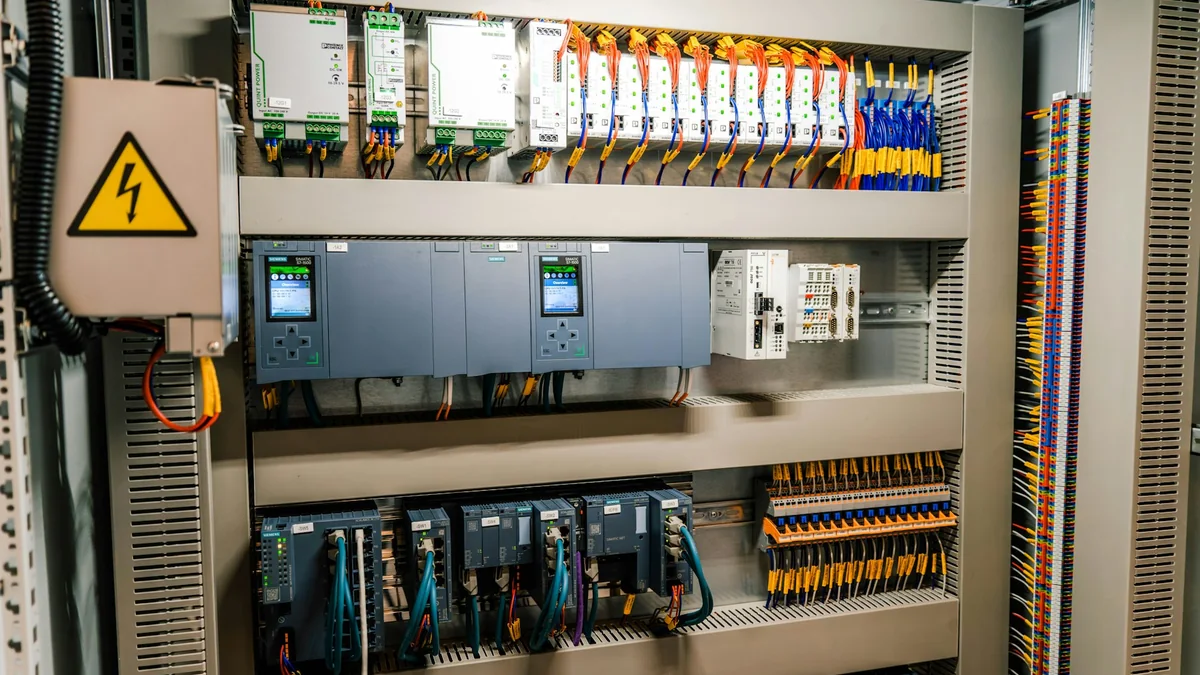
Automation, digital traceability and flexible manufacturing are common themes in PCBA supplier presentations. For a buyer, the useful question is what each capability changes in the proposed build and what evidence is available to verify it. This guide turns those themes into qualification questions; it does not claim market growth rates, a technology ranking or new investments by PCBA Partner.
Inspection automation: ask about the decision process
Ask which features the proposed inspection step evaluates, which conditions it cannot evaluate, and how questionable results are reviewed. Request a representative record format and the process for linking a finding to the board and production lot. An equipment photograph does not establish inspection coverage for your assembly.
Agree the role of inspection alongside electrical and functional tests in the pre-pilot test strategy. Keep product-specific acceptance limits with the approved build documentation.
Digital traceability: test a specific investigation
Choose a question such as identifying the boards affected by a component substitution or locating the test result for one serial number. Ask which records connect the material, build revision, test configuration and shipment. Review the export format, retention period and access arrangements before relying on a dashboard demonstration.
The OEM traceability data guide helps define the fields. A barcode or software-system name alone does not show that the required links exist.
Sourcing resilience: examine approvals and ownership
For a critical part, ask how the supplier records lifecycle information, available purchasing channels, alternate qualification and approval status. Establish who owns excess stock and purchasing commitments. An alternate-part list is useful only when its approval conditions match the released product configuration.
Review alternate qualification and lot control before treating a substitution as a repeat-order option. Keep commercial flexibility separate from engineering approval.
Flexible production: review a variant changeover
Use the variants in your actual program to discuss setup verification, line clearance, feeder and program selection, first-article review and test configuration. Ask how mixed revisions and leftover material are controlled. Review the assumptions behind the proposed batch sizes and delivery schedule.
The high-mix, low-volume operations guide provides a more detailed checklist. A general claim of flexibility is not a confirmed slot in the production schedule.
Environmental and product requirements: identify the document
Ask which requirement applies to the product, destination, material or customer contract, and what document is needed to demonstrate it. Verify the applicable revision and scope with the responsible owner. Distinguish a material declaration, a process record and a certification; they answer different questions. Do not infer a product's compliance from an unrelated supplier statement.
Turn the review into an RFQ requirement
For each relevant claim, record the proposed application, requested evidence, review owner, open question and acceptance decision. Add unresolved items to the RFQ package. This creates a project-specific basis for supplier comparison without relying on a trend label as proof of capability.