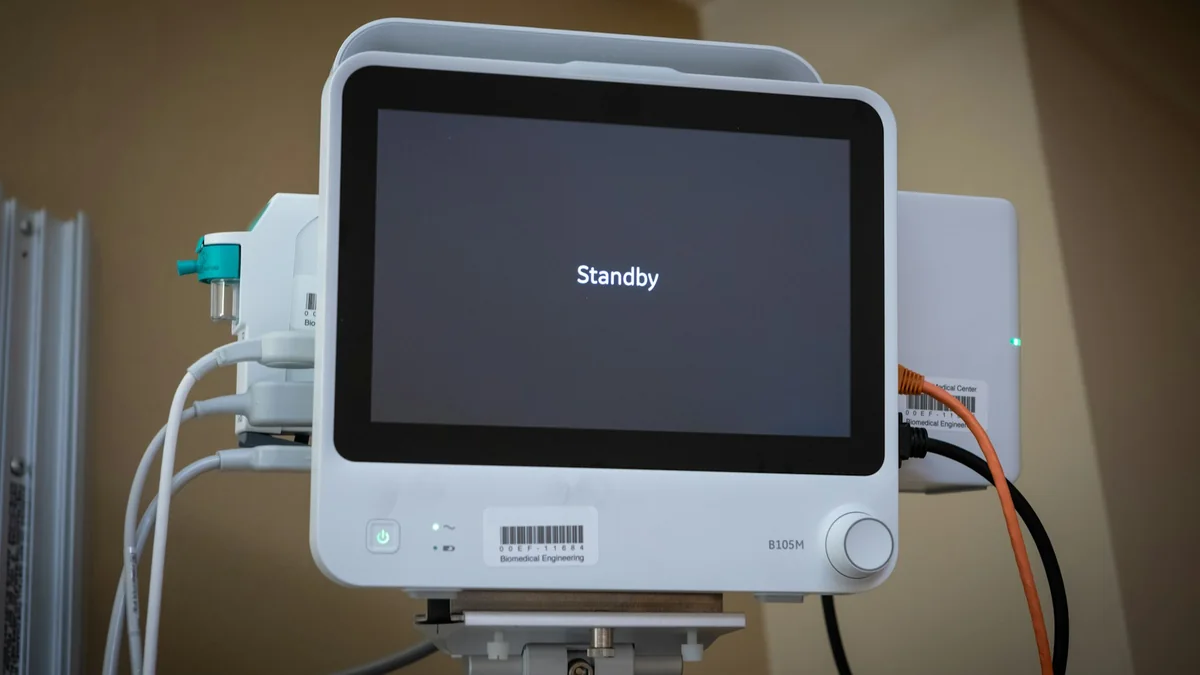
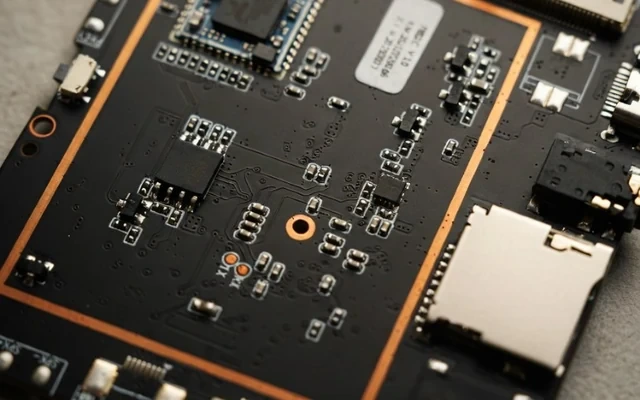
PCB assembly for healthcare devices, with a record for every board.
Medical Device PCB Assembly
We don't make certification claims we can't back up. What you get is a clear trail: which parts went on which board, how it was inspected, and what it passed.
Traceable build recordsCritical BOM controlTest and release recordsCustomer quality alignment
A typical healthcare board: traceable parts, documented inspection and a planned release.
QA reviewDefine traceability, records, critical parts, and release records before PO.
Tracked changesSeparate alternates, firmware, labels, and revision approvals by impact.
Test recordsInspection, programming, FCT, and lot notes aligned to buyer requirements.
Next decisionShare documentation expectations and critical component notes.
Documentation discipline
Work order, revision, materials, inspection and release records are kept together so your QA team can review them.
Risk-based sourcing
Key components and any substitutes are sorted by how much they affect the product and who has to approve them.
Testability focus
ICT, FCT, firmware, and inspection depth are selected according to the device stage and risk profile.
Medical and healthcare projects we're a good fit for
We avoid unsupported certification claims and focus on the practical controls buyers need from a manufacturing partner.
Diagnostic and monitoring electronics
Control boards, sensor modules, display boards, and communication modules with traceability needs.
Validation and pilot builds
Small and medium runs where engineering, QA and purchasing all need to see the same records.
Tracked repeat production
Stable revision and material records for repeated manufacturing cycles.
Box build readiness
Labeling, firmware, final checks, and packaging can be integrated when the PCBA becomes part of a finished device.
Medical PCBA for buyers who need paperwork
Before a build is approved, healthcare buyers usually want clear records, stable revisions and an agreed production file set.
Capability range
Control, sensor, display, and communication PCBAs
Prototype, pilot, and repeat manufacturing lots
Traceability and release records in the format you specify
Optional box build, labeling, and packaging support
Testing and controls
Approval step for key components and substitutes
Incoming, first-article, AOI, and functional checks
Firmware, label, and revision verification when required
Lot notes aligned to buyer quality review
Buyer deliverables
Documentation expectations confirmed before quote
Material and revision decision trail
Inspection, test and release records
Packaging or label instructions when applicable
Medical and wellness electronics we've built
Authorized board-level images show the assembly and development patterns behind compact monitoring, therapy, sensing, motor-control, wireless, and multi-channel power products. Public descriptions remain anonymous where program identities or commercial details are confidential.
CoverageEight representative build types
Records basisProduction records or customer authorization retained
Public boundaryNo unsupported certification or performance claim
MED-01 · Motor control
Compact oral-care controller
A narrow mixed-function board combining rechargeable power, motor drive, user indication, and compact mechanical integration.
Motor startup and load-current review
Charging, sealing, vibration, and end-of-line checks
MED-02 · Monitoring
Sleep-monitoring electronics
Sensor acquisition, embedded processing, communications, and low-noise power must remain stable during long-duration monitoring.
Sensor-path noise and calibration planning
Connectivity recovery and overnight endurance tests
MED-03 · Connected sensing
Therapy sensor relay board
A compact relay architecture connecting sensing or training accessories to a local application while preserving signal and identity control.
Low-level signal integrity and pairing checks
Firmware, serial-number, and revision traceability
MED-04 · Multi-channel power
LED therapy driver platform
Boards with repeated power channels, heat paths, connectors and fan interfaces need consistent assembly and each channel tested before release.
Current balance and thermal-rise verification
Connector mapping and multi-channel functional fixtures
MED-05 · Wearable safety
Fall-detection and alert wearable
Battery life, motion sensing, alert reliability, wireless range, and enclosure integration must be verified together.
Sensor orientation and event-replay testing
Low-power, charging, button, and radio checks
MED-06 · Miniaturization
Wearable sensing patch electronics
Fine-pitch assembly, compact antenna and sensing interfaces, contamination control, and lot traceability dominate this build class.
Fine-pitch process and inspection planning
Moisture, cleanliness, programming, and identity controls
MED-07 · Controlled output
Wearable stimulation controller
Output stages, electrode interfaces, battery behavior, firmware settings and fault states each need acceptance limits agreed up front.
Output-load and single-fault test coverage
Firmware, parameter, and battery-state verification
MED-08 · Wireless monitoring
Monitoring transmitter board
A radio module, user controls, power conversion, and product-specific sensor interfaces create a compact mixed-signal test problem.
Radio pairing, range, and recovery checks
Interface, current-consumption, and functional fixtures
Records and confidentiality: publication is backed by retained production records or customer authorization. Program identities, commercial relationships, schematics, BOMs, test limits, and measured results remain confidential unless separately approved. The images demonstrate relevant engineering and manufacturing experience; they do not create a certification or regulatory claim.
Tracked medical electronics contextApplication risk should determine documentation depth, traceability, and acceptance records.Documented workmanship reviewInspection findings must remain connected to the correct build, material lot, and product revision.
What to share for an accurate RFQ
Complete files help us return a cleaner quotation with fewer assumptions and fewer hidden changes later.
Files and project details
Gerber or ODB++ files with revision identifier
Approved BOM with key components and alternates marked
Centroid, assembly drawing, and workmanship notes
Test specification, firmware process, and acceptance criteria
Quality records, inspection reports or production file set format you need
Packaging, labeling, serial number, or UDI-related instructions if applicable
Decisions to confirm early
Define which components require strict customer approval for substitution
Confirm documentation level required by your quality team
Agree test coverage and sample retention expectations
Confirm cleaning, coating, or residue requirements if applicable
Clarify whether final labeling or box build is part of scope
If your project has regulated requirements, share the exact documentation expectations during RFQ. We will confirm what can be supported before accepting the build.
FAQ
Do you claim medical certification on this page? No. We confirm project-specific quality and certification requirements during RFQ, then state clearly what can be supported.
Can you provide stronger traceability records? Yes. Material, revision, production, inspection, and release records can be organized according to the agreed project scope.
Can customer-approved parts be locked? Yes. Critical parts can be tracked so substitutions require explicit approval before purchase or assembly.
Can firmware and labels be controlled by revision? Yes. Firmware version, label format, and hardware revision can be linked in the production record.
Can you support pilot builds before repeat production? Yes. Pilot lots are often the right stage to define the documentation and test model before repeat orders.
Send us your medical PCBA project
Send your files, notes on key components, test requirements and the documents you expect. We'll come back with a realistic build plan before you approve the quote.
Review comparable health and medical electronics architectures, board views, validation risks, and production controls in our PCBA engineering reference library. Client identities and confidential program data remain undisclosed.