PCBA PARTNER
EN
English中文Deutsch日本語Français

PCBA services · Dongguan, China

PCB assembly, sourcing and box build.

Bring us your board files or project requirements. We help define the work from PCB and component procurement to assembly, agreed testing and product integration.

Files optional to start. No account required. Scope, records and schedule are agreed before the build.

What work does your project need?

Pick the services your build needs. Project stage and who supplies the parts are separate choices, set out below.

PCB assembly

Our role
SMT and through-hole assembly against the released board revision, with inspection and build feedback defined for the order.
Your inputs
Gerber or ODB++, BOM, placement data, assembly notes and quantity.
Your delivery
Assembled boards and the inspection or issue records included in the build plan.
Assembly scope

PCB fabrication

Our role
Coordinate bare-board fabrication around the required construction, material, finish and acceptance criteria.
Your inputs
Fabrication files, stack-up, tolerances, panel notes and any impedance requirements.
Your delivery
Bare PCBs and the fabrication documents included in the order.
Fabrication requirements

Component sourcing

Our role
Review BOM availability, purchasing responsibilities and proposed alternatives; substitutions require your approval.
Your inputs
Exact MPNs, approved sources, permitted alternates and customer-supplied lines.
Your delivery
An agreed material plan, with sourcing and shortage decisions recorded for the build.
Sourcing options

Testing and programming

Our role
Define programming, inspection and functional-test work around your product and acceptance criteria, including fixture responsibilities.
Your inputs
Firmware, interfaces, test limits, expected coverage and required log format.
Your delivery
Programmed or tested units and agreed results. Fixtures, ICT/FCT and coating are scoped separately when needed.
Testing and inspection

Box build

Our role
Integrate the PCBA, enclosure and cables, then carry out the agreed system checks, labeling and packing.
Your inputs
Mechanical drawings, harness details, firmware, final-test and packing requirements.
Your delivery
Integrated assemblies with the agreed checks, labels and packing records.
Box-build details

Design and engineering

Our role
Define product, enclosure and engineering work as a separate project, with deliverables and acceptance checkpoints agreed at the start.
Your inputs
Product requirements, available design files, constraints and the questions to resolve.
Your delivery
The design files, review outputs or prototype deliverables named in the design scope.
Design-service details

Where is the project now?

Choose by the purpose of the build, as well as quantity.

Prototype validation

For bring-up, design checks and the next board revision. Share what the samples must prove; review DFM/BOM findings and build observations.

Explore prototype assembly

Pilot and low-volume builds

For new products, early production and small lots. Plan first-article approval and test coverage, and keep records that help the next batch.

Explore low-volume assembly

Repeat production

For a released design and recurring orders. Align approved revisions, material changes, test requirements and forecast before each build.

Discuss a repeat build

Who supplies the PCB and components?

Any project stage can use turnkey, partial-turnkey or consigned. Who supplies the parts doesn't decide what stage your build is at.

Full turnkey

We coordinate PCB procurement, BOM purchasing and assembly. You approve the design, material choices and acceptance requirements.

Explore turnkey assembly

Partial turnkey

You supply selected materials; we procure the rest. Agree responsibility for each BOM line, arrival dates and shortage handling.

Compare supply options

Consigned / kitted

You supply the agreed PCB and component kit. Define receiving checks, setup allowances, shortage decisions and unused-stock handling.

Explore consigned assembly

Define what comes with the build.

Your quote lists the boards, assemblies and records you will receive.

WorkDelivery to agree
Review and materialsDFM/BOM comments, open issues and approved material decisions.
Assembly and inspectionRevision-linked first-article findings and agreed inspection records.
Programming and testingFirmware version, test limits and pass/fail records for the agreed coverage.
Box build and shipmentIntegration checks, label verification, packing and shipment documents.

Record formats, availability and disclosure permissions are confirmed for your order.

Reference projects show how we made the engineering decisions.

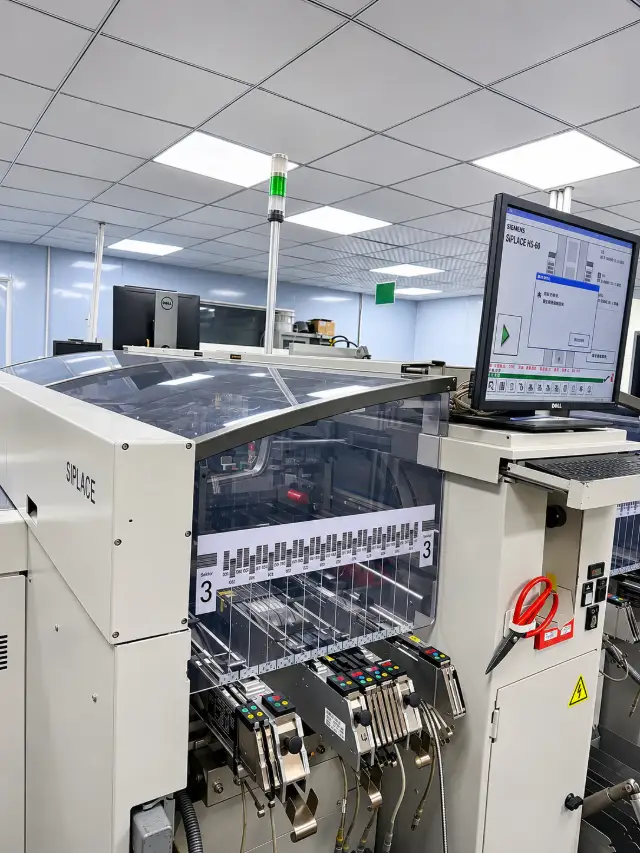
Inside our SMT workshop in Dongguan.

Siemens SIPLACE HS-60 placement machine on the PCBA Partner SMT line in Dongguan
Siemens SIPLACE HS-60 placement machine
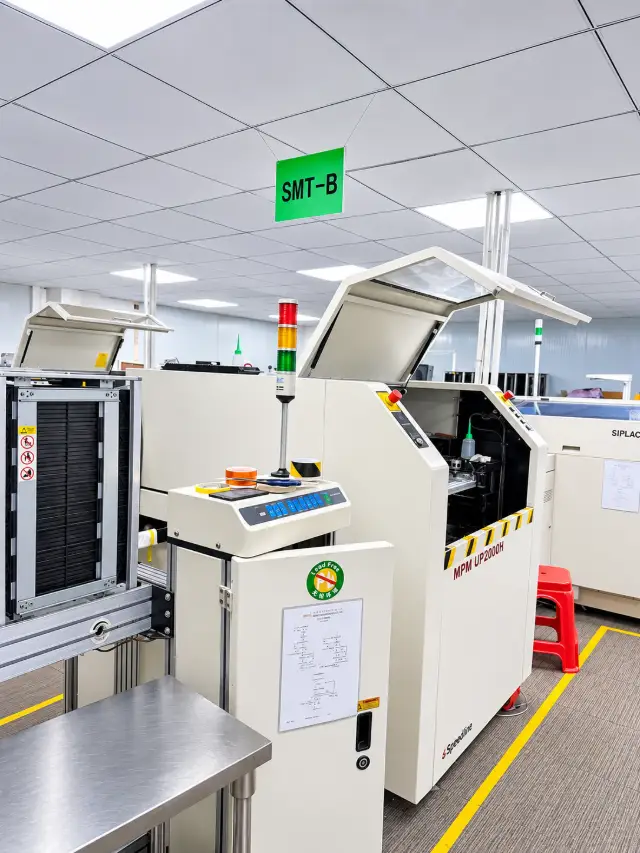
SMT line B with board loader and stencil printer at PCBA Partner
SMT line B: board loader and stencil printer
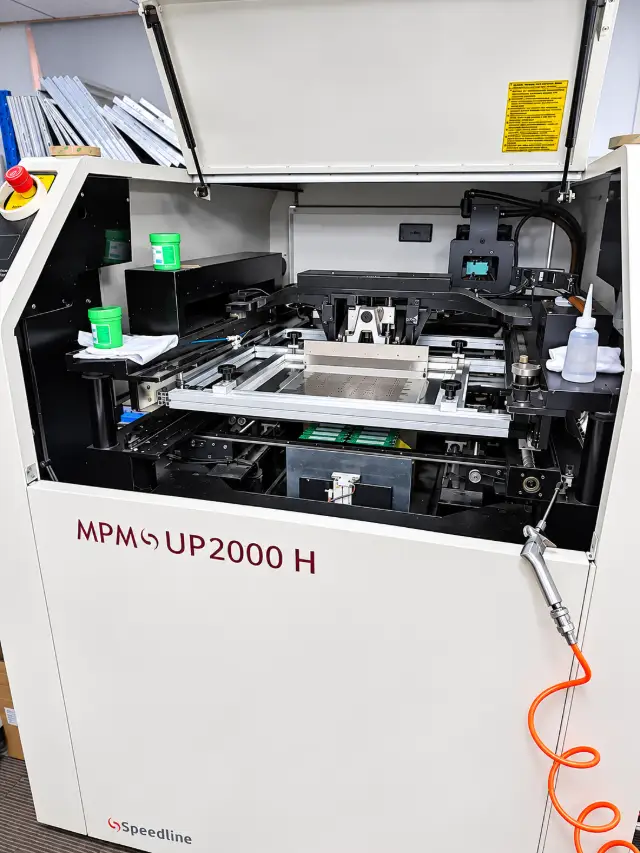
Stencil printer open with a stencil loaded for solder paste printing
Stencil printer set up for solder paste printing

From project review to shipment.

  1. Review the project

    Share the application, stage and quantity. We identify missing inputs and manufacturing questions.

  2. Approve the build plan

    Agree files, material choices, pricing, tests, deliverables and schedule conditions.

  3. Build and check

    Carry out the approved operations and resolve first-article or inspection findings at the agreed checkpoints.

  4. Review and ship

    Review required records, open issues, packing and delivery instructions before release.

Before you start

Can I start without a complete file package?

Yes. Start with your application, project stage, quantity and target date. Share the files available; we identify what is missing before firm pricing or build release.

Should I choose prototype or low-volume assembly?

Choose prototype when the goal is to validate or change the design. Choose low volume when the goal is a tracked pilot or repeat lot. Build purpose and release requirements matter alongside quantity.

Are testing, programming and coating included?

List the operations you need in the RFQ. Testing, firmware, fixtures, coating and their charges are included only if your quote lists them.

What affects cost and lead time?

Typical lead time for samples and small batches is 14–21 days from complete files. PCB specifications, BOM availability, quantity, setup, test readiness and packing affect the quotation. Unit pricing and one-time charges are listed separately, and the quote states when the lead time starts.

Can we review an NDA before file exchange?

Yes. Use the NDA email link below to agree confidentiality and access requirements before sharing sensitive files.

Tell us what you are building.

Start with your application, project stage, quantity and target date. Attach the files you have; incomplete packages are welcome.

Next: we review your files, ask about anything missing and send a quote that lists its assumptions.

Have files ready? View the short checklist
  • Gerber or ODB++, BOM and placement data matched to one revision.
  • Assembly or mechanical drawings and customer-supplied material details.
  • Programming, test, packing and delivery requirements, where applicable.
Read the complete RFQ file guide

Plan your first order.

See how we define scope, responsibilities, material handling and delivery records.

From our board gallery

Boards we developed and built

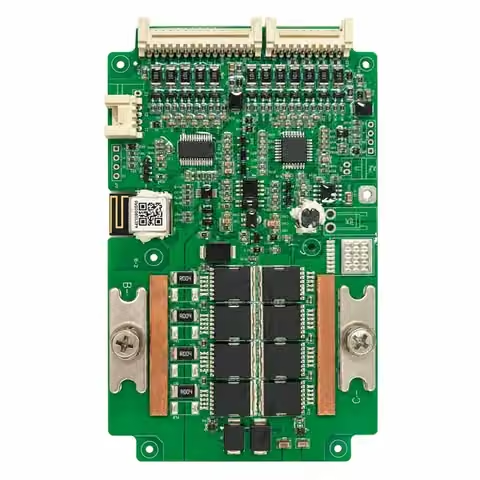
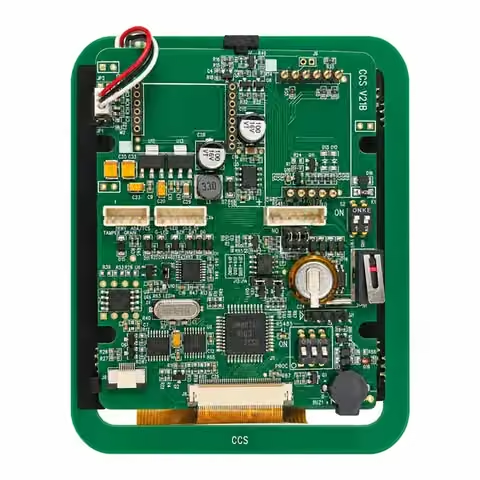
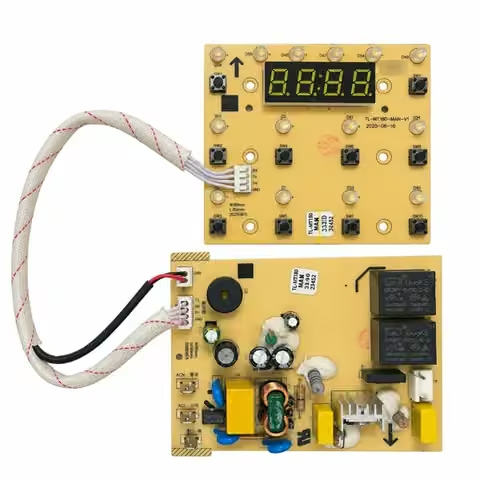
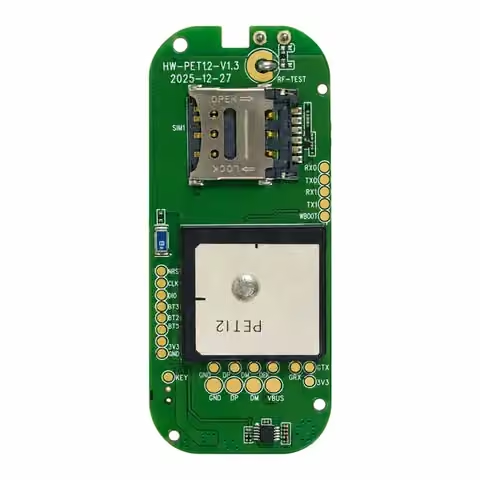
Power supplies, motor drivers, appliance controllers, lighting and IoT boards from our own projects.

See all 45 boards